Films
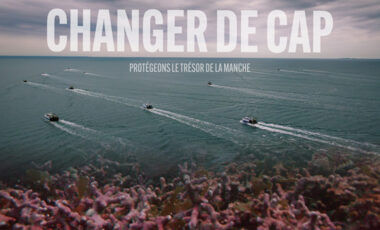
Changer de cap: Protégeons le trésor de la Manche
Sous l'archipel de Chausey s'étend le maërl, un fond marin rose qui a mis des siècles à se former mais que quelques passages de chalut suffisent à détruire, au sein même d'une aire protégée. Classé Natura 2000 et OSPAR, le site n'est toujours pas réellement protégé. « Changer de cap » réunit images des fonds marins et témoignages de pêcheurs, et pose une question simple : les décisions prises aujourd'hui protégeront-elles cet habitat, et la pêche locale qui en dépend ? (Film en français, sous-titré anglais. Version anglaise pour la communication sur la page du film.) / Beneath the Chausey archipelago lies maerl, a pink seabed that took centuries to grow but which a few passes of a trawl can destroy, inside a protected area. Classified under Natura 2000 and OSPAR, the site is still not truly protected. 'Changer de cap' (Change course) brings together footage of the seabed and the voices of local fishers, and asks a simple question: will the decisions taken now protect this habitat, and the local fishing it sustains? (Film in French, English subtitles. English version for comms purposes available on the film page).
Changer de cap: Protégeons le trésor de la Manche
- Le film est en français, sous-titré en anglais. Si vous avez besoin de ce film à des fins de communication en anglais, vous pouvez accéder à la version anglaise ici. -
Sous l'archipel de Chausey s'étend un fond marin rose qui a mis des siècles à se former. Quelques passages de chalut peuvent l'écraser en quelques minutes, et cela continue au sein même d'une aire protégée.
Au large des côtes normandes, dans la baie du Mont-Saint-Michel, les îles Chausey abritent l'un des habitats les plus rares de la Manche : les bancs de maërl, une algue coralligène à croissance lente surnommée le « trésor rose ». Un nouveau film d'EJF révèle ce qui se joue sous la surface, et pourquoi le statut d'aire marine protégée de Chausey ne se traduit toujours pas par une protection réelle. Classé au titre de Natura 2000 et de la convention OSPAR, le site devrait être à l'abri des pratiques de pêche les plus destructrices. Dans les faits, ses bancs de maërl continuent d'être raclés par les engins traînants de fond.
« Changer de cap » réunit des images des fonds marins et les témoignages des pêcheurs et des habitants dont l'avenir y est lié. Les bancs de maërl servent de nurserie à de nombreuses espèces commerciales telles que les coquilles Saint-Jacques, les homards, les soles et les praires, et contribuent au stockage du carbone, pourtant, ce qui disparaît aujourd'hui ne pourra être reconstitué avant plusieurs générations. Alors que l'analyse des risques pêche pour Chausey est en cours, le film pose une question simple : les décisions prises maintenant protégeront-elles cet habitat, et la pêche locale qui en dépend, ou les laisseront-elles disparaître ?
_______
- The film is in French with English subtitles. If you need this film for comms purposes in English, you can access the English version here. -
Beneath the Chausey archipelago lies a pink seabed that took centuries to grow. A few passes of a trawl can crushed it in minutes, and it is still happening inside a protected area.
Off the Normandy coast, in the Bay of Mont-Saint-Michel, the Chausey islands shelter one of the English Channel's rarest habitats: beds of maerl, a slow-growing coralline algae known as the 'pink treasure'. A new EJF film reveals what is at stake beneath the surface, and why Chausey's status as a marine protected area has yet to translate into real protection. Classified under Natura 2000 and the OSPAR Convention, the site should be safe from the most damaging fishing. In practice, its maerl beds continue to be scraped away by bottom-towed gear.
'Changer de cap' (Change course) brings together footage of the living seabed and the voices of the fishers and local people whose futures are tied to it. Maerl beds are nurseries for commercially important species including scallops, lobsters, sole and clams, and help store carbon, yet what is lost today cannot be rebuilt within a generation. As a fisheries risk assessment for Chausey gets under way, the film asks a simple question: will the decisions taken now protect this habitat, and the local fishing it sustains, or let both slip away?
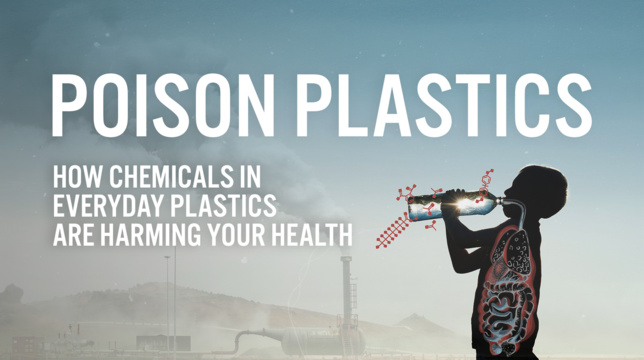
Poison Plastics: How chemicals in everyday plastics are harming your health
Every day, thousands of chemicals enter our bodies, many potentially high-risk, with almost no regulatory oversight standing in the way.
Plastics contain 16,000 known chemicals, many found in everyday products. Yet 10,000 of them lack any hazard information at all. Where data does exist, it often points to serious health risks: cancer, infertility, cardiovascular disease, and more. Alarmingly, 83% of chemicals with available toxicity and exposure data are not regulated under any major international agreement.
This film calls on governments and producers to reduce plastic production, especially single-use plastics and those with high toxicity and exposure risk; restrict or prohibit hazardous chemical groups; and ensure transparency and traceability across the full cycle of plastics.
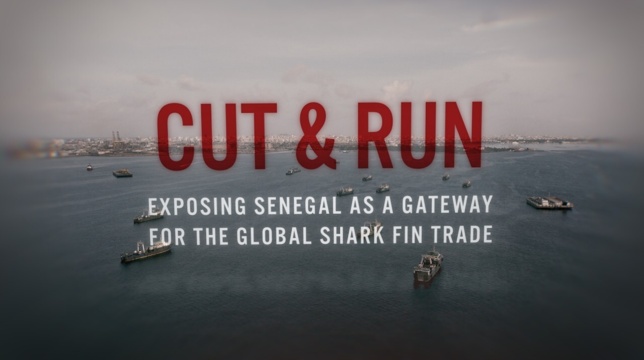
Cut & Run: Exposing Senegal as a gateway for the global shark fin trade
Tuna boats dock in Dakar by day. By night, illegal shark fins are smuggled ashore - and the world's seafood supply is funding it.
Senegal's port of Dakar is one of West Africa's busiest fishing hubs - and, a new EJF investigation reveals, a key gateway for the illegal global shark fin trade. Distant-water tuna longliners, many flagged to China and Taiwan, land their legal catch in daylight. But under cover of night, illegal shark fins are trafficked ashore, hidden among other cargo and, according to crew testimony, moved past inspectors with bribes.
'Cut & Run' draws on testimony from 87 Indonesian and Filipino crew members who spoke to EJF anonymously about the scale of the operation: sharks caught and finned on captain's orders, their bodies dumped at sea, their fins bound for lucrative markets in Asia. Dakar is a designated port under the Port State Measures Agreement, obligating Senegal to screen vessels and block illegal catch - obligations this investigation shows are being routinely evaded.
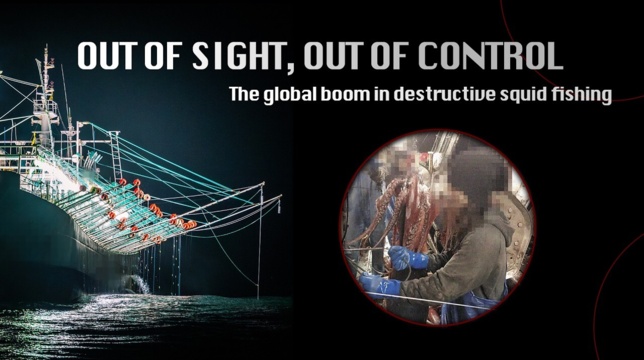
Out of Sight, Out of Control: The global boom in destructive squid fishing
EJF’s latest investigation into unregulated squid fishing on the high seas has uncovered illegal fishing and human rights abuses on a shocking scale.
Every year, hundreds of industrial fishing vessels disappear into some of the most remote and unregulated waters on earth, where they fish for squid beyond the reach of any law, any observer, and any accountability.
Over the last 5 years, EJF investigators have gathered testimony and footage from over 400 crew members who have worked on board distant water squid vessels. What they have documented is a system built on environmental destruction and forced labour. Rampant overfishing, the killing of protected species, and widespread human rights violations are endemic across the global squid industry.
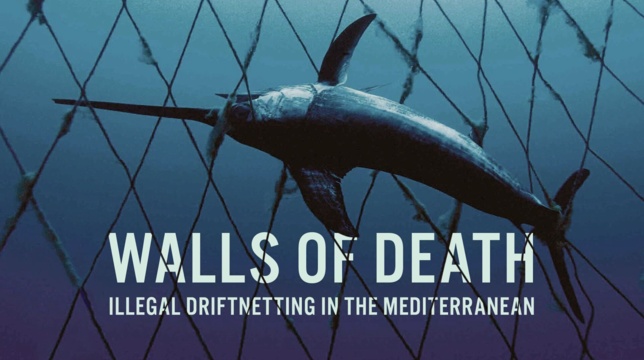
Walls of Death: Illegal Driftnetting in the Mediterranean
Among the most destructive fishing methods ever used, driftnets have been banned in the Mediterranean for decades - but EJF's latest investigation reveals they never really went away.
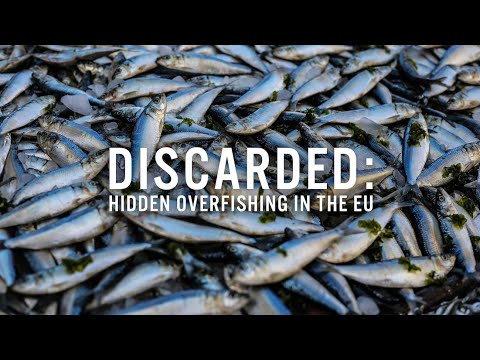
Discarded: Hidden Overfishing in the EU
In European waters, fish are caught and dumped at sea to make room for more valuable catch. This practice, known as highgrading, is illegal, but unfortunately most cases go unreported.
This extremely wasteful and unsustainable practice puts pressure on struggling ecosystems and harms honest fishers’ livelihoods. Transparency is the key to protecting these ecosystems and ending this widespread illegal practice.
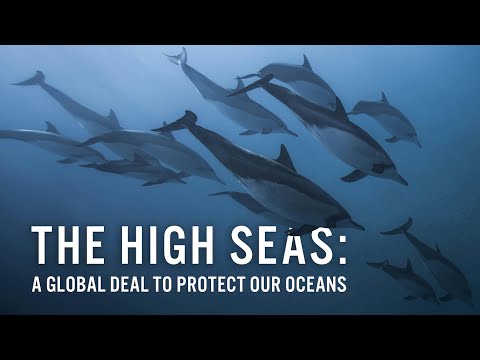
The High Seas: A Global Deal to Protect Our Oceans
The UN High Seas Treaty has entered into force, and we celebrate this exciting moment for ocean protection. It is evidence that a rules-based order can still deliver in the face of escalating environmental breakdown.

Before You Board: The Hidden Risks of Distant Water Fishing
Every year, thousands of Indonesians work as fishers on foreign boats, promised high wages for work abroad. However, the reality of life at sea can be very different from what is promised. Once onboard, fishers are routinely overworked, abused, and exploited.
Are you thinking of taking a job on a distant water fishing vessel? Watch out for these warning signs:
🚩 The recruitment agency doesn't have a valid licence or has a bad reputation. A company's SIUKAK/SIUPPAK permit can be found on the official Ministry of Transportation website, while its SIP3MI permit can be checked on the Ministry of KP2MI website.
🚩 The recruitment agency offers loans
Loans through banks or cash advances from companies are often used to pressure crew into accepting low salaries or prevent them from terminating their employment contracts.
🚩 Lack of transparency about salary
The recruitment agency receives crew's salary in advance before transferring it to their personal account. This creates an opportunity for companies to illegally "take a share" of crew's salary.
🚩 Retention of identity documents
Confiscation of passports, ID cards, family cards, and other personal documents controls migrant workers' movements while working.
🚩 Offered work on Chinese-flagged ships
Several human rights organisations have documented various human rights violations and allegations of forced labor against Indonesian migrant workers on Chinese-flagged ships.
(The footage used is illustrative and does not necessarily show the boats discussed by the fishers.)

The Forests of Life: How Mangroves Sustain Ghana's Fisheries, Coastline, and Climate – an EJF film
Mangroves sustain communities, shield coasts, and store vast amounts of carbon. In Ghana they are vanishing fast – but their protection is within reach through safeguarding, restoration, and community leadership.
In partnership with Hen Mpoano, watch our short documentary, which reveals how local action and stronger policy can revive these vital ecosystems.
Reports
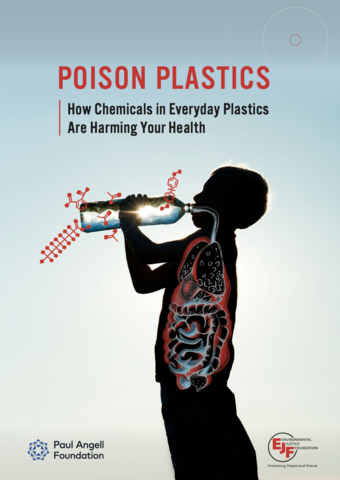
Poison Plastics: How chemicals in everyday plastics are harming your health
Plastics and the chemicals they contain have become deeply embedded in our lives within only a single generation. They are found in the vast majority of items we rely on every day – from food packaging and takeaway containers to clothing, furniture, hygiene products, infant feeding bottles and children’s toys. This report shares our novel analyses of the PlastChem data to shed light on the risks presented to human health by everyday items containing plastic-associated chemicals. The findings make the case for a world where the products we use every day are safe by design; today, they are not.
Plastics and the chemicals they contain have become deeply embedded in our lives within only a single generation. They are found in the vast majority of items we rely on every day – from food packaging and takeaway containers to clothing, furniture, hygiene products, infant feeding bottles and children’s toys.
This report shares our novel analyses of the PlastChem data to shed light on the risks presented to human health by everyday items containing plastic-associated chemicals. The findings make the case for a world where the products we use every day are safe by design; today, they are not.
Der Europäische Rechtsakt Für Die Meere: Europas maritime Zukunft sichern: Die zukünftige Sicherheit, Wettbewerbsfähigkeit und Widerstandsfähigkeit Europas werden sich auf See entscheiden. Das „Europäische Meeresgesetz “ (European Ocean Act) bietet eine einmalige Gelegenheit, den gemeinsamen operativen Rahmen zu schaffen, der Europa derzeit fehlt: transparente Information und Entscheidungsfindung, vorhersehbare Regeln, koordinierte Planung und messbare Rechenschaftspflicht – über die verschiedenen maritimen Sektoren hinweg und grenzüberschreitend. Dieses Positionspapier legt zwei strategische Erfordernisse für dieses Ozeangesetz dar.
Die zukünftige Sicherheit, Wettbewerbsfähigkeit und Widerstandsfähigkeit Europas werden sich auf See entscheiden. Das „Europäische Meeresgesetz “ (European Ocean Act) bietet eine einmalige Gelegenheit, den gemeinsamen operativen Rahmen zu schaffen, der Europa derzeit fehlt: transparente Information und Entscheidungsfindung, vorhersehbare Regeln, koordinierte Planung und messbare Rechenschaftspflicht – über die verschiedenen maritimen Sektoren hinweg und grenzüberschreitend. Dieses Positionspapier legt zwei strategische Erfordernisse für dieses Ozeangesetz dar.
La Ley Europea del Océano: Garantizando el futuro marítimo de Europa: La seguridad, la competitividad y la resiliencia futuras de Europa se decidirán en el mar. La «Ley Europea de los Océanos » (European Ocean Act) constituye una oportunidad única para establecer el marco operativo común del que carece actualmente Europa: información y toma de decisiones transparentes, normas previsibles, planificación coordinada y responsabilidad cuantificable, en los distintos sectores marítimos y más allá de las fronteras. Esta nota orientativa expone dos imperativos estratégicos para esta Ley de los Océanos.
La seguridad, la competitividad y la resiliencia futuras de Europa se decidirán en el mar. La «Ley Europea de los Océanos » (European Ocean Act) constituye una oportunidad única para establecer el marco operativo común del que carece actualmente Europa: información y toma de decisiones transparentes, normas previsibles, planificación coordinada y responsabilidad cuantificable, en los distintos sectores marítimos y más allá de las fronteras. Esta nota orientativa expone dos imperativos estratégicos para esta Ley de los Océanos.
La Loi Europeénne sur les Océans: Assurer l’avenir maritime de l’Europe: La sécurité, la compétitivité et la résilience futures de l’Europe se joueront en mer. La « Loi européenne sur les océans » (European Ocean Act) constitue une occasion unique de mettre en place le cadre opérationnel commun qui fait actuellement défaut à l’Europe : une information et une prise de décision transparentes, des règles prévisibles, une planification coordonnée et une responsabilité mesurable, à travers les différents secteurs maritimes et au-delà des frontières. Cette note d’orientation expose deux impératifs stratégiques pour cette Loi sur les océans.
La sécurité, la compétitivité et la résilience futures de l’Europe se joueront en mer. La « Loi européenne sur les océans » (European Ocean Act) constitue une occasion unique de mettre en place le cadre opérationnel commun qui fait actuellement défaut à l’Europe : une information et une prise de décision transparentes, des règles prévisibles, une planification coordonnée et une responsabilité mesurable, à travers les différents secteurs maritimes et au-delà des frontières. Cette note d’orientation expose deux impératifs stratégiques pour cette Loi sur les océans.
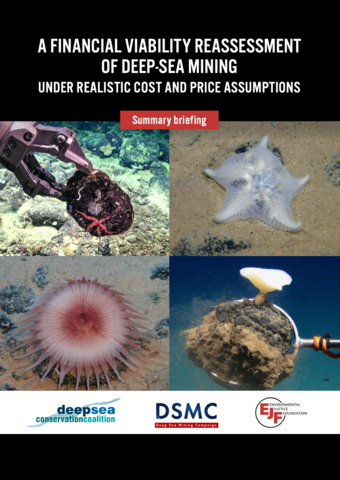
Summary briefing: Financial viability reassessment of deep-sea mining under realistic cost and price assumptions: This briefing summarises the findings of an analysis commissioned by the Environmental Justice Foundation (EJF), the Deep Sea Conservation Coalition (DSCC) and the Deep Sea Mining Campaign (DSMC) to examine the financial viability of deep-sea mining (DSM) under realistic cost and price assumptions.
This briefing summarises the findings of an analysis commissioned by the Environmental Justice Foundation (EJF), the Deep Sea Conservation Coalition (DSCC) and the Deep Sea Mining Campaign (DSMC) to examine the financial viability of deep-sea mining (DSM) under realistic cost and price assumptions.
Model for financial viability reassessment of deep-sea mining under realistic cost and price assumptions: This workbook contains a financial model of the NORI-D deep-sea mining project by Nauru Ocean Resources Inc, a subsidiary of The Metals Company, and multiple input variable scenarios are ran.
A financial viability reassessment of deep-sea mining under realistic cost and price assumptions: This analysis, commissioned by the Environmental Justice Foundation (EJF), the Deep Sea Conservation Coalition (DSCC) and the Deep Sea Mining Campaign (DSMC), examines the financial viability of deep-sea mining (DSM) under realistic cost and price assumptions.