44 UK parliamentarians call on ministers to strengthen seafood import controls and protect UK consumers, fishers, and businesses
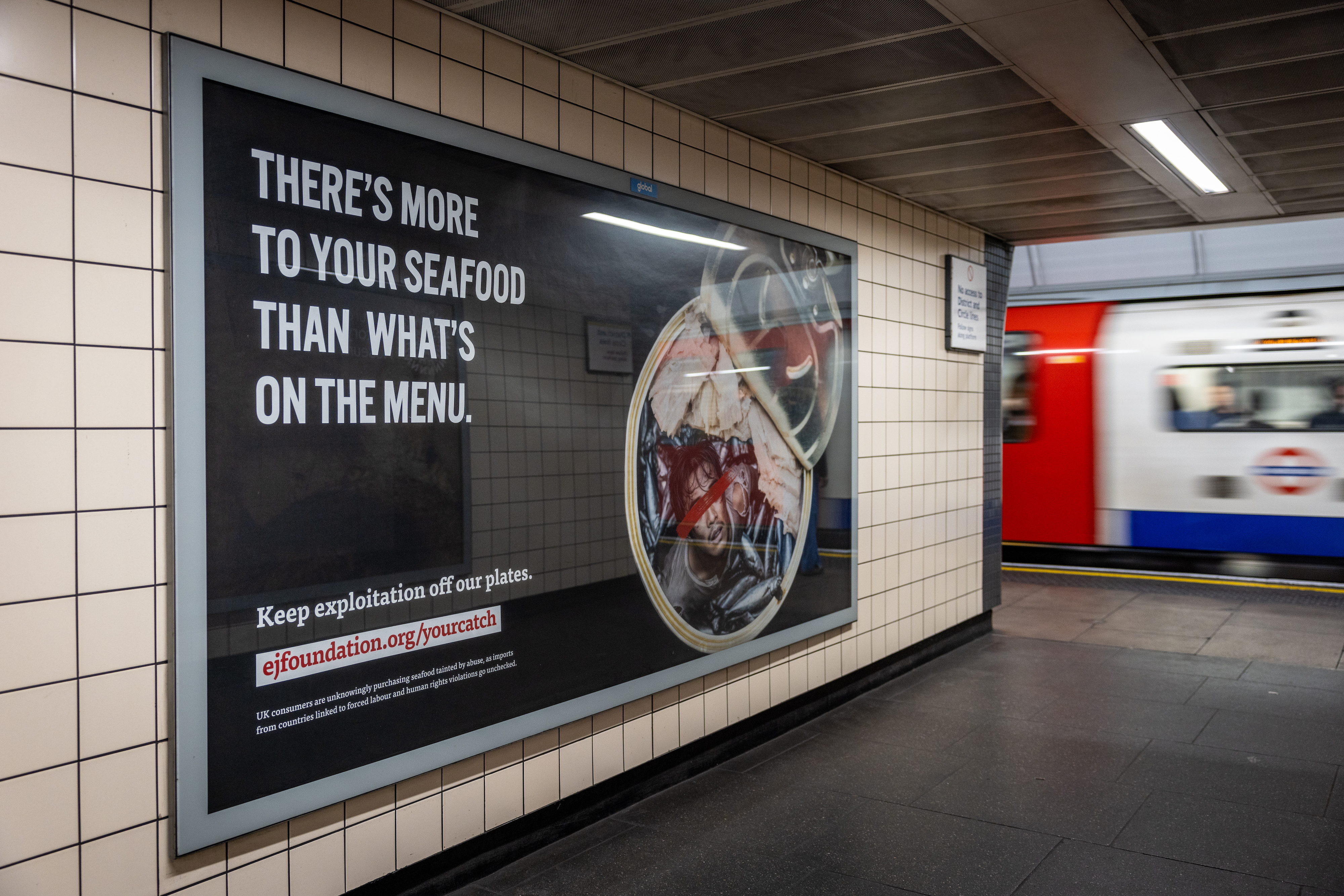
Over 40 parliamentarians have expressed their alarm at the ongoing failure to adequately scrutinise the UK’s seafood imports and the risk this poses to consumers, fishers and the marine environment. In a letter, they urge the environment and fisheries ministers to take action to strengthen the UK’s import control system, to prevent the country from becoming a dumping ground for illegal and slave-caught seafood.
Today, 44 parliamentarians have brought the findings of the Coalition for Fisheries Transparency’s (CFT) report Criminal catches: how to stop the supply of illegal seafood to the UK to Emma Reynolds MP (Secretary of State at the Department of Environment, Food and Rural Affairs) and Dame Angela Eagle MP (Minister for Fisheries). This report reveals that seafood linked to illegal, unreported and unregulated (IUU) fishing and severe human rights abuses is entering the UK due to weak enforcement and consistent failure to check the origin of imported seafood.
Since Brexit, critical safeguards have declined significantly, while key monitoring and reporting of the UK’s IUU import controls have all but ended, leaving the UK essentially blind to the true origins of its seafood, says the letter.
Over a quarter of the UK’s seafood imports come from high-risk countries, including those formally warned by the European Union for failing to address IUU fishing on their fleets. Scrutiny of imports from the worst-performing countries - China and Russia - has been extremely low: only four seafood consignments from China have been refused since 2012, while no catch certificates from Russia have been verified or refused since 2021.
The UK government has recently confirmed it intends to update the information required in its catch certificate next year. This provides a key opportunity for further reforms to the UK’s import control system, says the CFT.
The letter calls for the government to adopt the recommendations of the Criminal catches report, including fully implementing the Global Charter for Fisheries Transparency, introducing a “carding” system to incentivise positive reforms overseas, and significantly increasing verification checks.
Ella Frankel, Senior Advisor at the Food, Farming & Fisheries at the Ethical Trading Initiative - the alliance of businesses, NGOs and trade unions working to advance human rights in global supply chains, also welcoming the news - said: “We welcome this initiative and see transparent, well-enforced regulations and protections as an important step towards a fairer and more resilient seafood sector.”
“Clear and consistently applied rules help provide certainty for responsible UK fishers and importers, while supporting a level playing field across the market. When these measures are backed by effective human rights and environmental due diligence across seafood supply chains, they can help ensure that responsible businesses are not undercut by illegal or exploitative practices, and support more sustainable fisheries and seafood markets over the long term.”
Vivien Deloge, UK Coordinator at the Coalition for Fisheries Transparency, said: "The UK has clear potential to ensure that seafood entering the UK market is legal and traceable. The EU-UK reset presents a key opportunity to achieve this: by adopting cost-efficient and easy-to-implement traceability measures that have proven effective, the UK could close any loopholes related to the imports of seafood tainted by illegality and abuse across Europe."
Steve Trent, CEO and Founder at the Environmental Justice Foundation, said: “For years, the UK’s import control system has been absent without leave. This inaction prioritises cheap, tainted seafood over the interests of UK consumers and fishing communities. It enables the ongoing degradation of marine habitats and abuses of crew. However, it does not need to stay this way, and these 44 cross-party parliamentarians have made a clear demand for change.”
“As a large seafood importer and ocean nation, the UK has the power and responsibility to drive the global seafood industry towards a more sustainable and ethical future. By prioritising these low-cost, readily available solutions to improve transparency, the UK can level the playing field, protect its market from illegally-caught fish, and uphold human rights at sea.”
Lucy Kay, public affairs manager at Open Seas, said: "UK consumers should be able to trust that the fish they buy has been sourced legally, from sustainably managed fisheries - whether it's imported, or UK-sourced. Responsible UK fishing businesses should also feel confident that they aren't being undercut, either by imports tainted by illegal fishing or by fishing businesses that aren't complying with the rules at home.”
"That confidence can only be possible if the UK has stringent checks at the border, and robust enforcement of our own fisheries regulations. Now is the time for the UK Government to act to stop products linked to illegal, unreported and unregulated fishing ending up on our plates."
ENDS
Notes to editors
Find the letter and full list of signatories here.
About the Coalition for Fisheries Transparency
The Coalition for Fisheries Transparency is a global network of over fifty global civil society organisations that work together to improve transparency and accountability in fisheries governance and management.
The Environmental Justice Foundation and Open Seas, among others, are leading the Coalition’s efforts in the UK to accelerate the adoption of the Principles of the Global Charter for Fisheries Transparency. Their work aims to help the UK champion effective fisheries governance globally to strengthen the fight against IUU fishing.
About the Environmental Justice Foundation (EJF)
Our work to secure environmental justice aims to protect our global climate, ocean, forests, wetlands, wildlife and defend the fundamental human right to a secure natural environment, recognising that all other rights are contingent on this. EJF works internationally to inform policy and drive systemic, durable reforms to protect our environment and defend human rights. We investigate and expose abuses and support environmental defenders, Indigenous peoples, communities, and independent journalists on the frontlines of environmental injustice. Our campaigns aim to secure peaceful, equitable and sustainable futures. Our investigators, researchers, filmmakers, and campaigners work with grassroots partners and environmental defenders across the globe. For more information or to organise an interview with one of our team, please contact media@ejfoundation.org.
About Open Seas
Open Seas is a Scottish-based charity campaigning for healthy, vibrant seas that are home to abundant fish populations, for the benefit of people, nature and future generations. Guided by science, collaborative but uncompromising, we defend the health of our seas and promote fair access and responsible use. We want marine ecosystems to be managed in ways that restore biodiversity, incentivise sustainable fishing, and ensure lasting value for society as a whole.
SIGN UP FOR OUR EMAILS AND STAY UP TO DATE WITH EJF