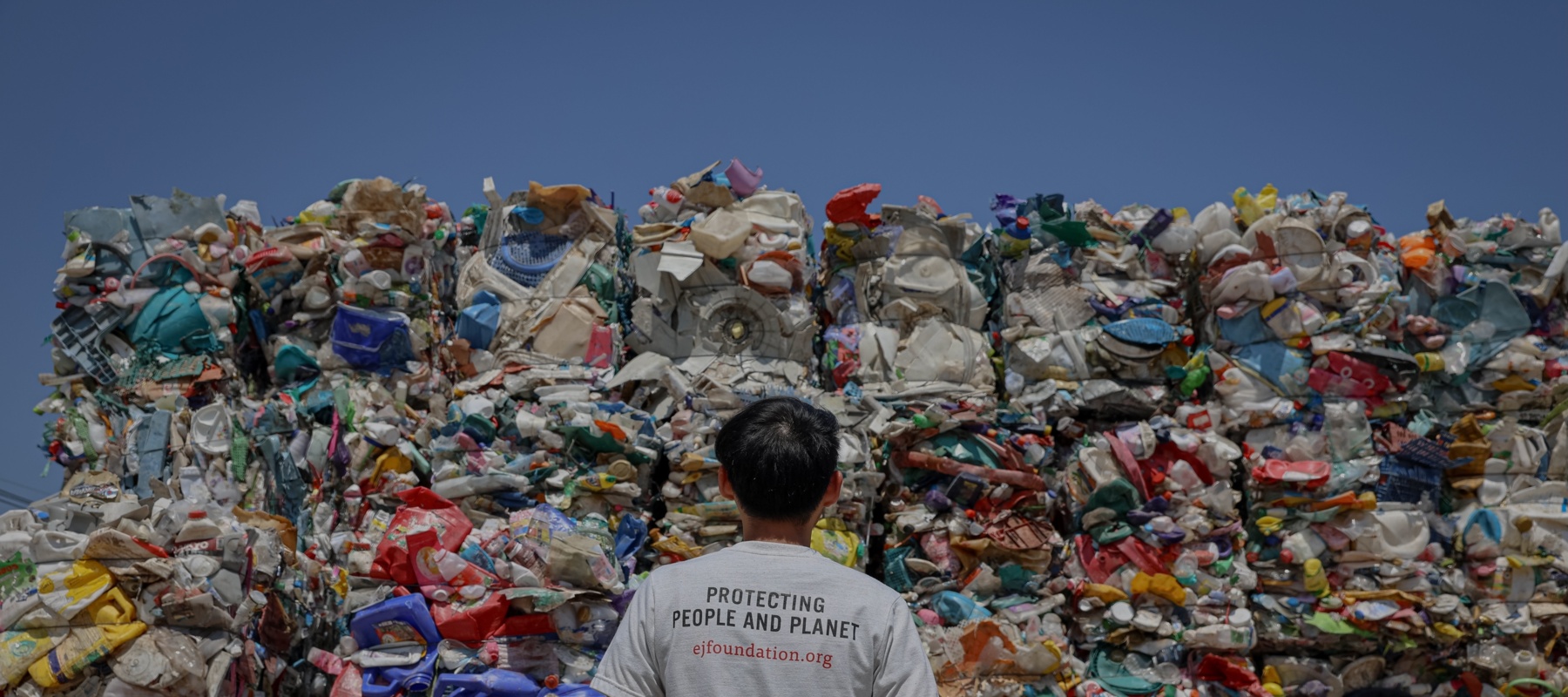
Look around you. Count how many plastic items you see. You might lose track, and there may even be things you can’t see.
A hidden danger sits in the food containers, coffee cups and children's toys we use every day. The chemicals inside them are invisible, rarely labelled, and almost none are controlled. Yet they are linked to cancer, infertility, heart disease and more illnesses.
In our new report and film, our team assessed the chemicals used in plastics and found that they threaten human health on a vast scale. Right now, our right to reduce plastic consumption and our risk of exposure are not protected. This cannot continue.
Our report and film make the case for a world where the products we use every day are safe by design, and people can reduce their plastic consumption.
Our shocking findings
Our research assessed the chemicals used in plastics against the available health evidence. We found that 92.8% of those studied present a high risk to human health. These chemicals have been linked to chronic health conditions, increased risk of cancer and heart disease, stillbirth or premature birth, and lasting developmental impacts.
Despite this, more than half, 54.2%, of the high-risk chemicals identified are not regulated at the international level or in any of the four places we reviewed: the European Union, Japan, South Korea and the US state of California.
The human cost is matched by an economic one. Just three plastic chemicals led to an estimated US$1.5 trillion in economic losses in a single year, through premature deaths, cognitive impacts, chronic illness and lost productivity.
Children are especially vulnerable, as exposure during pregnancy or childhood is especially dangerous for growing bodies. Studies have identified links between plastic-associated chemicals and increased risk of miscarriage, premature birth, lower IQ, asthma, childhood cancer, and many others.
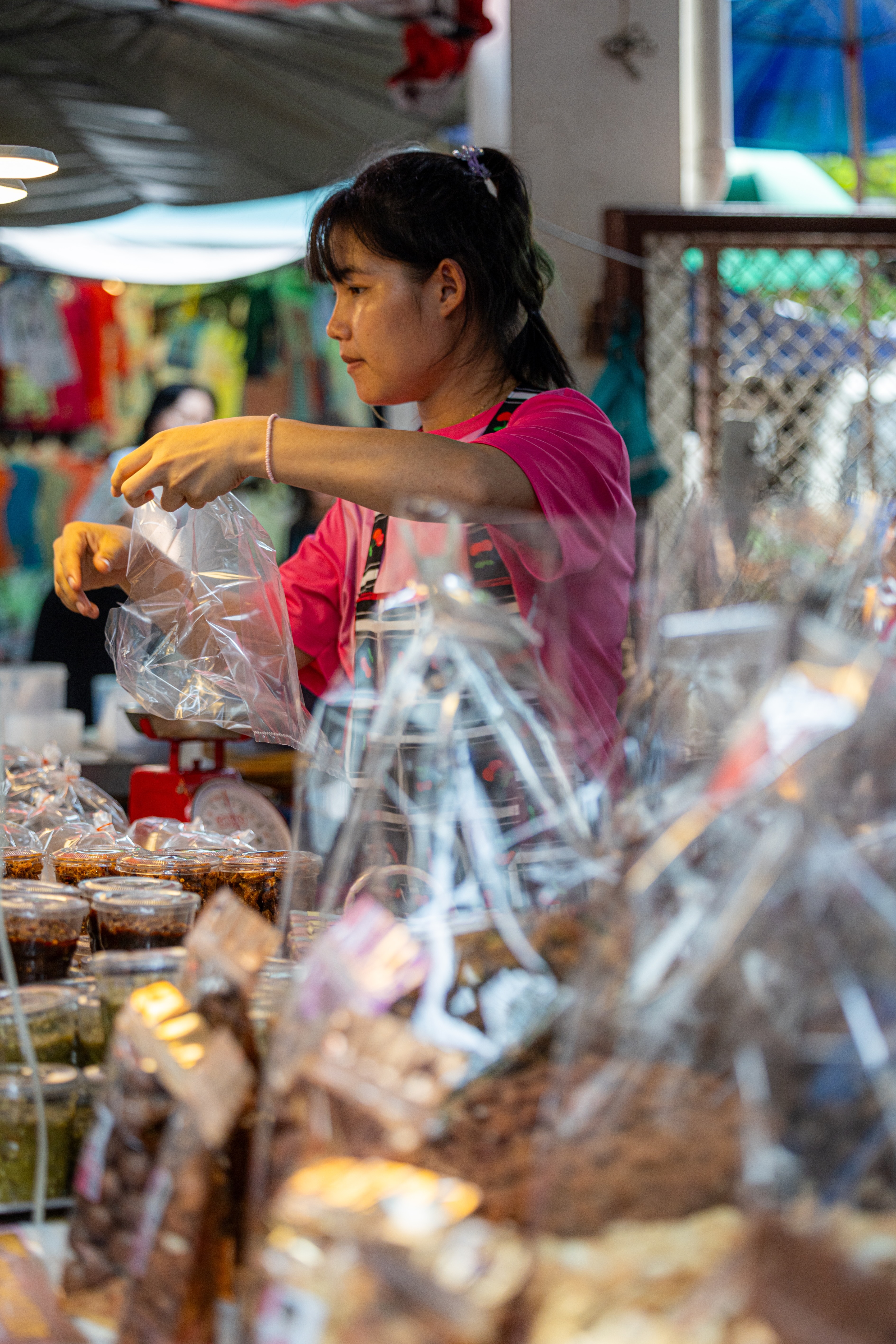
The plastic we live with every day is quietly poisoning us. These chemicals are in our food, our homes and our children's bodies, and almost none of them are controlled. This is a public health emergency that the industry has known about for decades and chosen to ignore. A healthy environment is the foundation of every other right we have - and right now that foundation is being poisoned for profit.
Steve Trent, EJF CEO and Founder
The chemicals driving this crisis are invisible, rarely labelled, and present across millions of ordinary products. That means the responsibility to act cannot sit with consumers trying to make safer choices when they shop. It sits with industry and governments.
Why the Global Plastics Treaty matters
Governments are currently negotiating the Global Plastics Treaty, the world's first international agreement to tackle plastic across its whole life cycle. Our research shows why an ambitious deal must control the chemicals in plastic, not only the waste it becomes.
EJF is calling on governments to cooperate to achieve an ambitious and legally binding treaty that:
Reduces plastic production, cutting the flood of unnecessary plastic at source rather than managing it after the fact, and establishes toxic-free reuse and reduction-enabling systems.
Bans or strictly controls dangerous groups of chemicals, starting with those already linked to cancer, infertility and harm to children, women and other vulnerable groups.
Ensures transparency and traceability across the full life cycle of plastics, enabling greater and more thorough assessment of the harms of plastics and their chemicals throughout that life cycle.
Centres the health of humans and the environment throughout the treaty text and its implementation mechanisms.
Fighting for the right to reduce
In recent rounds of negotiations, fossil fuel and petrochemical interests have tried to lower the treaty’s ambition, challenging the inclusion of plastic production reduction, chemicals regulation, health, and even observer participation.
We call on delegates to guarantee everyone the right to a life free from toxic exposure, with high-ambition leaders, from Small Island Developing States to many in Africa, Asia, Latin America and Europe, holding firm for a strong treaty.
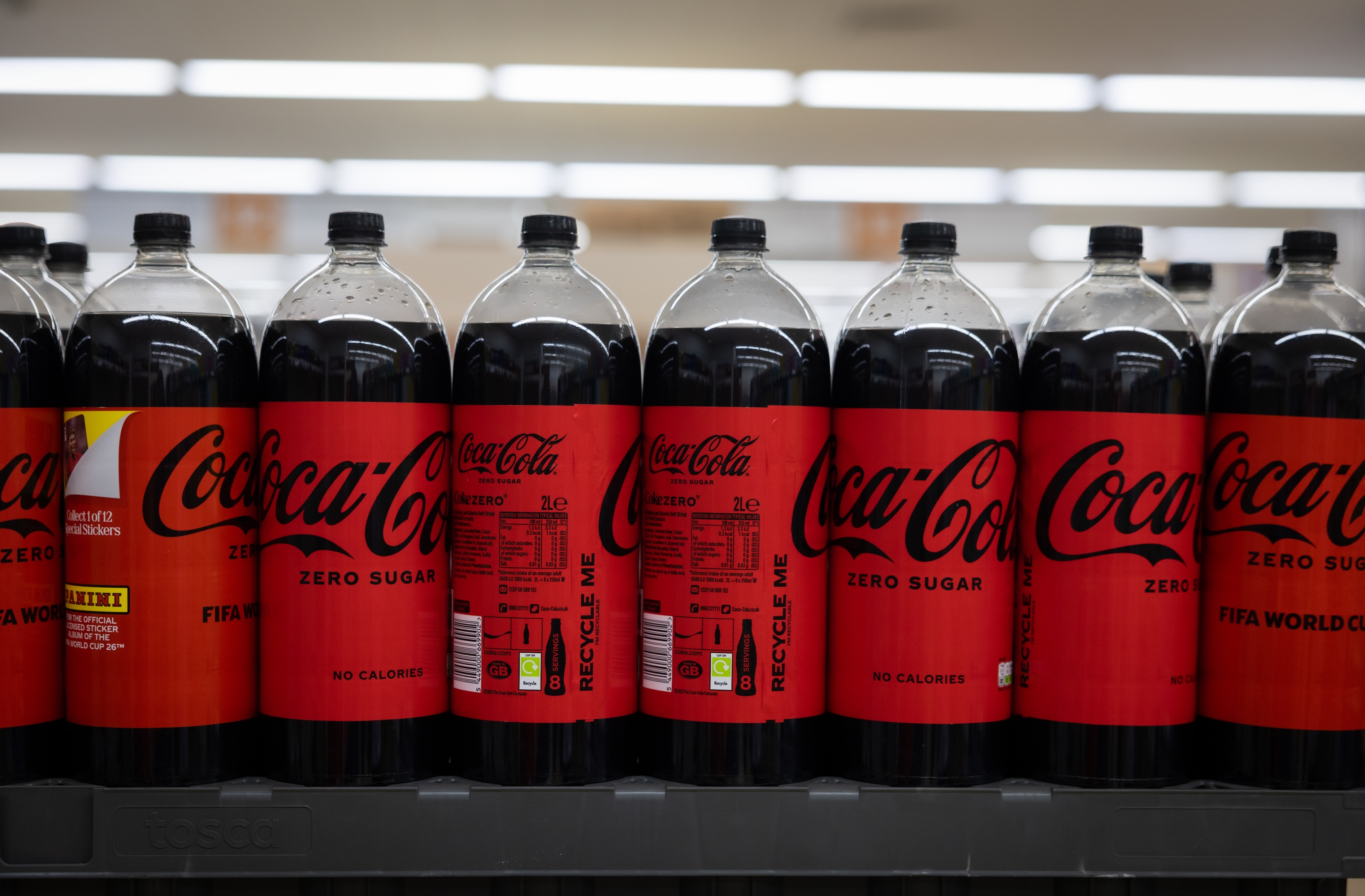
We already have the answer within reach. Governments negotiating the Global Plastics Treaty can act now to cut plastic production and control the most dangerous chemicals at source. Protecting people from toxic harm is not a technical detail to be bargained away, it is the whole point. Everyone, everywhere, should be able to take for granted that the cup they drink from and the toy their child holds will not make them ill.
Salisa Traipipitsiriwat, Senior Plastics Campaigner, EJF
The solutions are within reach. Governments negotiating the Global Plastics Treaty must cut plastic production at source, ban or strictly control the most dangerous chemicals, and build transparency into every stage of the plastics life cycle. Human and environmental health must sit at the heart of the treaty, not at its margins.
Read the full report here, the summary report here, and watch the film here.

SIGN UP FOR OUR EMAILS AND STAY UP TO DATE WITH EJF
Related items
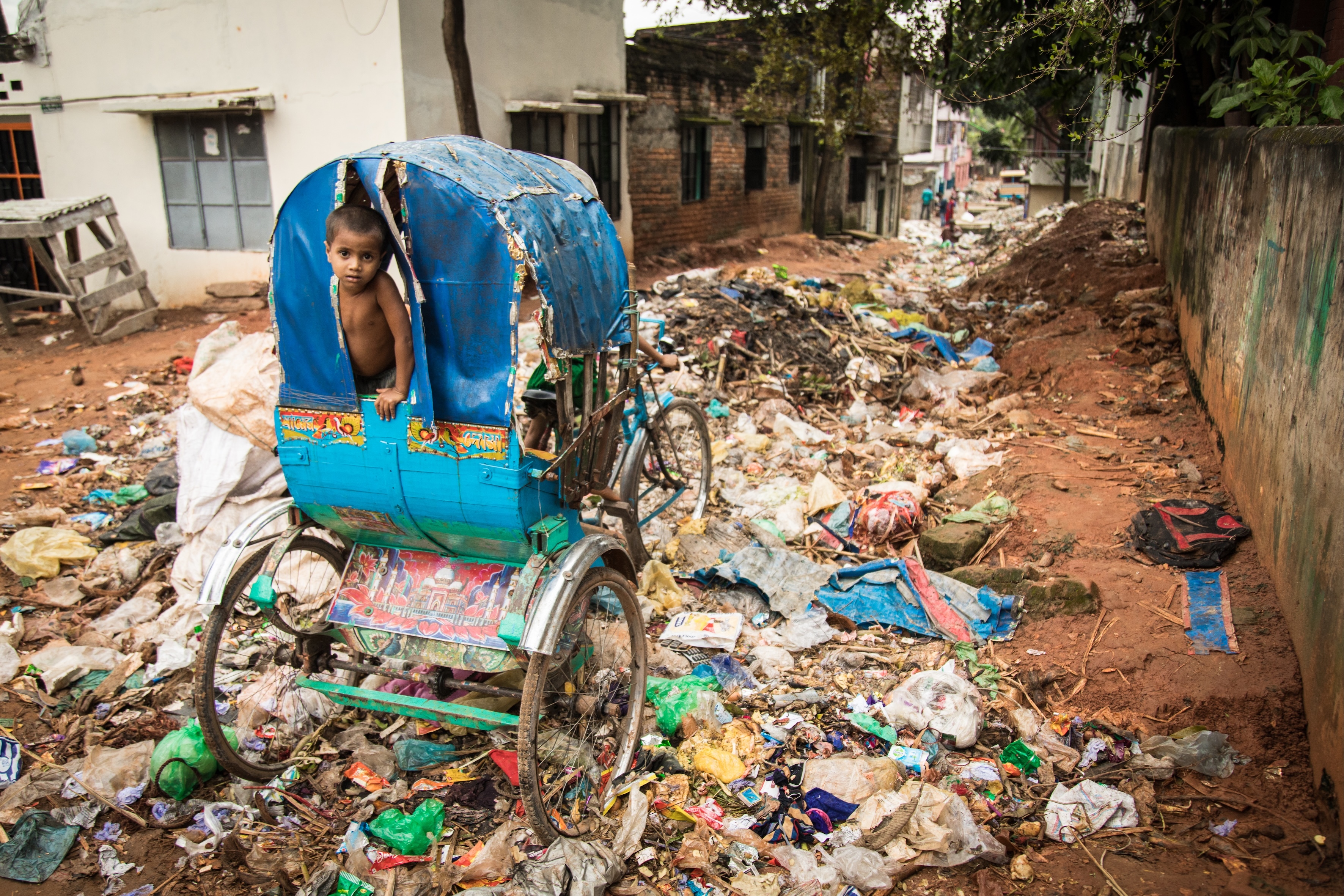
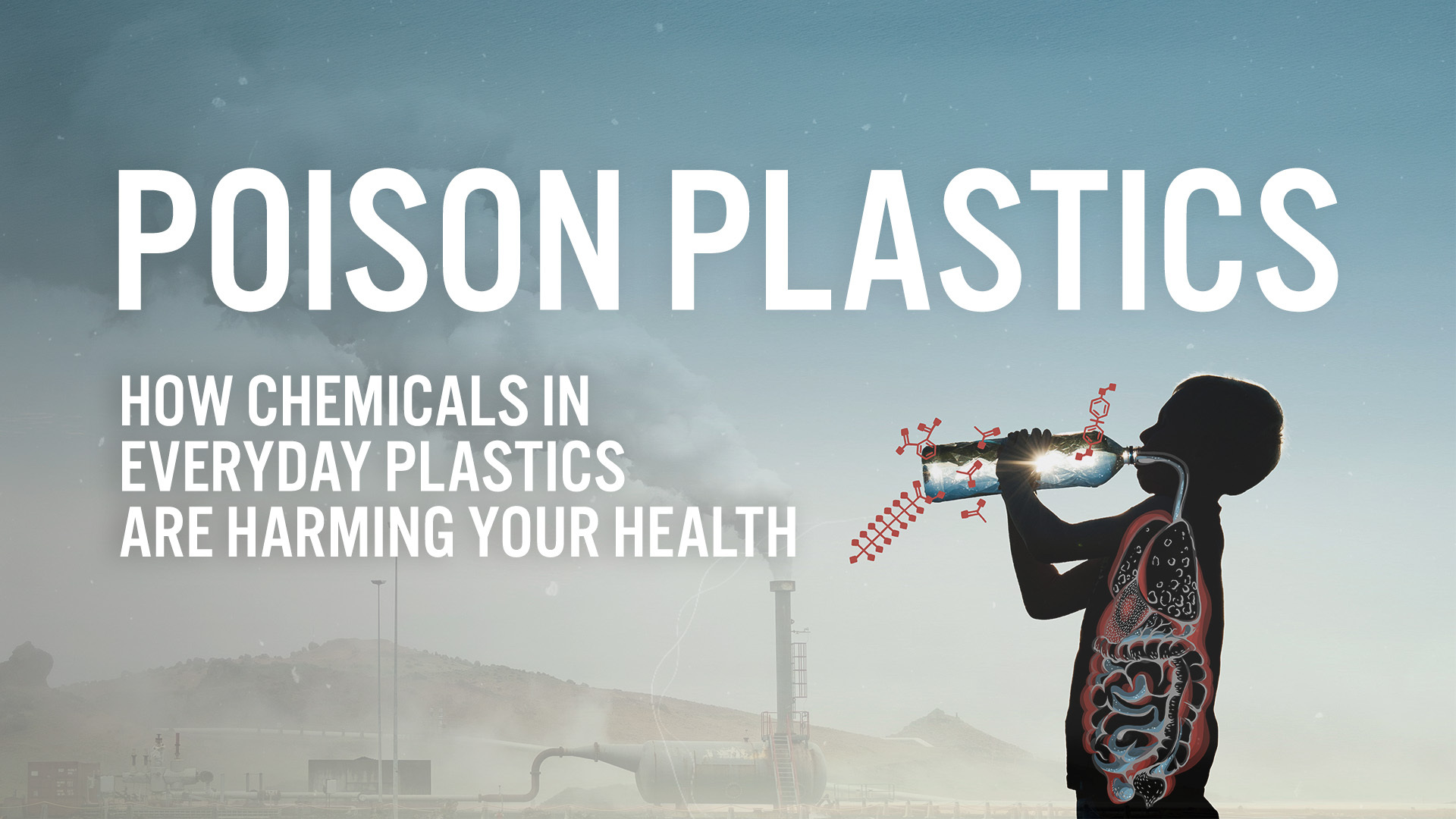
Poison Plastics: How chemicals in everyday plastics are harming your health
Every day, thousands of chemicals enter our bodies, many potentially high-risk, with almost no regulatory oversight standing in the way.
Plastics contain 16,000 known chemicals, many found in everyday products. Yet 10,000 of them lack any hazard information at all. Where data does exist, it often points to serious health risks: cancer, infertility, cardiovascular disease, and more. Alarmingly, 83% of chemicals with available toxicity and exposure data are not regulated under any major international agreement.
This film calls on governments and producers to reduce plastic production, especially single-use plastics and those with high toxicity and exposure risk; restrict or prohibit hazardous chemical groups; and ensure transparency and traceability across the full cycle of plastics.