EU FISHERIES POLICY FIT FOR PURPOSE, BUT URGENTLY NEEDS FULL IMPLEMENTATION, SAYS EJF
The Environmental Justice Foundation (EJF) welcomes the European Commission's evaluation of the Common Fisheries Policy (CFP), which concludes that the policy remains a vital framework for sustainable fisheries, but that weak and uneven implementation across EU Member States is undermining its effectiveness. The livelihoods of Europe's fishing communities, the health of our seas, and long-term food security depend on the decisions being made now.
Ahead of the meeting between Commissioner Kadis and EU fisheries ministers on 5 May, EJF is calling for renewed focus on enforcing existing rules and closing implementation gaps, rather than reopening or weakening core legislation. The evaluation concludes that many challenges stem not from the policy itself, but from failures in enforcement, oversight and political will at the national level.
Steve Trent, CEO and Founder of EJF, said: "The CFP is not broken; it is not being implemented fully. What is needed now is not a dismantling of the rules, but the political will to deliver them, for the sake of our seas and the communities that depend on them."
Transparency is what makes accountability possible, and the EU has earned genuine global credibility by holding its fleets, including those operating in distant waters, to high standards. The evaluation recognised the role of the CFP in this achievement. It needs to be safeguarded and built upon, says EJF. The NGO says full transparency, sustainability and ethical oversight can be delivered through the Global Charter for Fisheries Transparency.
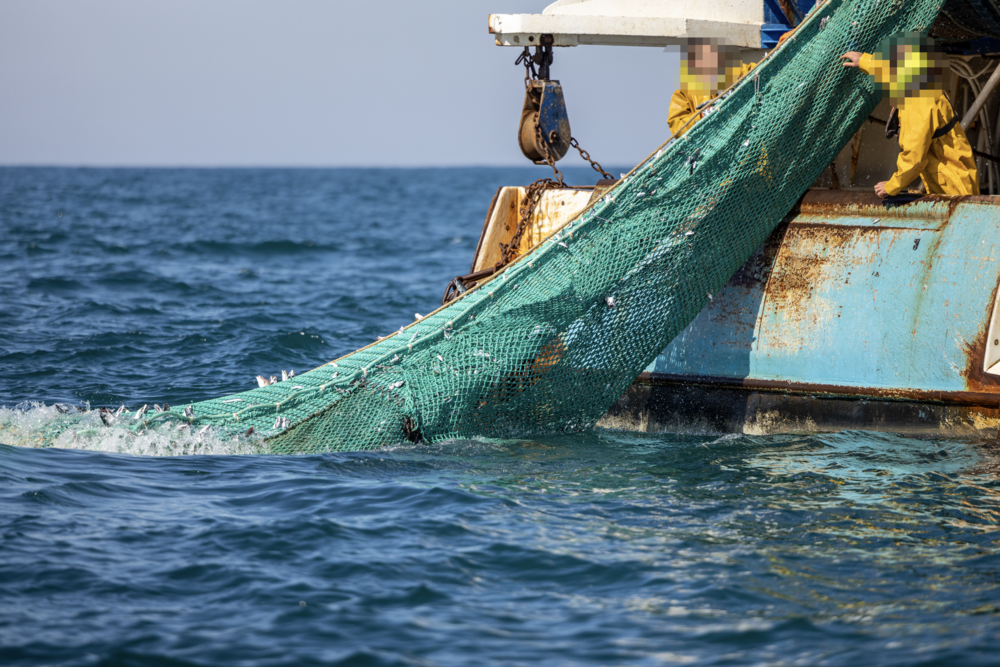
However, serious enforcement failures persist within EU waters. On discards - the practice of throwing unwanted catch back into the sea - the evaluation confirms that non-compliance persists due to insufficient oversight. Onboard cameras on vessels most at risk of breaking the rules have been successfully implemented in parts of Europe and could dramatically improve compliance if introduced more widely.
Ensuring industry support and full implementation of the Fisheries Control framework, backed by adequate resources, remains critical to curtail this environmentally destructive practice. Secondary legislation must not be used to weaken overarching standards, says EJF.
Implementation has often fallen short in protecting marine ecosystems and Marine Protected Areas, limiting the recovery of fish populations and the marine biodiversity that coastal communities depend on, according to the NGO.
"The CFP's core objectives remain sound," added Trent. "The priority now must be to make them a reality in every fishery, in every Member State. That is how Europe will secure resilient oceans, sustainable livelihoods and long-term food security. Europe already has one of the world’s strongest fisheries frameworks. What matters now is whether it has the resolve to enforce it, and turn commitments on paper into reality at sea."
ENDS
Notes to editors
A detailed policy analysis of the CFP Evaluation will be published in the coming days on the EJF website.
About EJF
Our work to secure environmental justice aims to protect our global climate, ocean, forests, wetlands, wildlife and defend the fundamental human right to a secure natural environment, recognising that all other rights are contingent on this. EJF works internationally to inform policy and drive systemic, durable reforms to protect our environment and defend human rights. We investigate and expose abuses and support environmental defenders, Indigenous peoples, communities, and independent journalists on the frontlines of environmental injustice. Our campaigns aim to secure peaceful, equitable and sustainable futures. Our investigators, researchers, filmmakers, and campaigners work with grassroots partners and environmental defenders across the globe. For more information or to organise an interview with one of our team, please contact media@ejfoundation.org.
SIGN UP FOR OUR EMAILS AND STAY UP TO DATE WITH EJF