High Seas Treaty "can end an era of exploitation", says Environmental Justice Foundation: press release
Today, the Environmental Justice Foundation (EJF) welcomes the entry into force of the UN High Seas Treaty, calling it a turning point for ocean protection and a critical example of how multilateralism can still deliver in the face of escalating environmental breakdown.
For decades, the high seas - the areas beyond any nation’s jurisdiction - have been a global blind spot. Vast industrial fleets extract enormous amounts of resources with little oversight, weak rules and no real accountability, with dangerous consequences for people, wildlife and our natural world, according to the NGO.
Covering half of the Earth’s surface and more than 60% of the ocean, the high seas play a central role in regulating climate, storing carbon and sustaining marine wildlife beyond national borders. Yet before this treaty, only 1% had protection under international agreements.
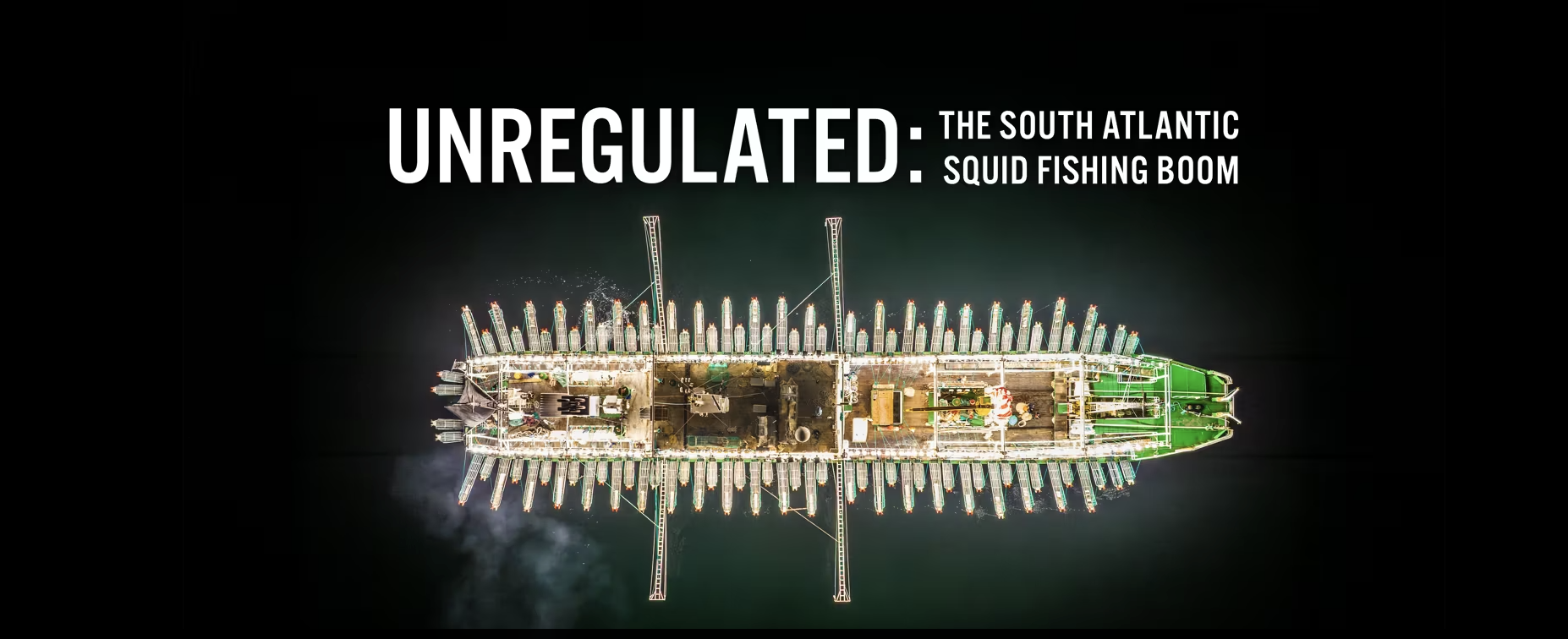
EJF’s investigations highlight the cost of this failure. In the Southwest Atlantic Ocean, in an area known as ‘Mile 201’ off the coast of Argentina, largely uncontrolled distant-water fishing has left the keystone squid population at risk of collapse, found EJF. This collapse could destabilise the entire marine region, and until now, no meaningful tools existed to prevent it.
The UN High Seas Treaty is that tool. As the first international treaty to regulate the ocean beyond national jurisdiction, it creates pathways to establish networks of marine protected areas on the high seas and requires environmental impact assessments for activities such as industrial fishing.
According to EJF, the treaty brings us one step closer to the global goal of protecting at least 30% of the ocean by 2030, but only if governments cooperate and act with urgency and ambition to enforce it.
“The rules-based order has prevailed, and that matters enormously,” said Steve Trent, CEO and Founder of EJF. “For too long, the high seas have been a free-for-all. Industrial exploitation has raced ahead while protection and enforcement lagged far behind.”
“This treaty provides one of the biggest opportunities we have to protect the ocean from those who wish to destroy it for short-term profit, and to end an era of exploitation. Governments must move fast and ambitiously to turn commitments into real protections. The high seas are the blue, beating heart of our planet, regulating our climate and underpinning all life on Earth. The moment to act is now, and history will judge whether leaders rose to it.”
ENDS
Notes to editors
About EJF:
Our work to secure environmental justice aims to protect our global climate, ocean, forests, wetlands, wildlife and defend the fundamental human right to a secure natural environment, recognising that all other rights are contingent on this. EJF works internationally to inform policy and drive systemic, durable reforms to protect our environment and defend human rights. We investigate and expose abuses and support environmental defenders, Indigenous peoples, communities, and independent journalists on the frontlines of environmental injustice. Our campaigns aim to secure peaceful, equitable and sustainable futures. Our investigators, researchers, filmmakers, and campaigners work with grassroots partners and environmental defenders across the globe. For more information, please contact media@ejfoundation.org
SIGN UP FOR OUR EMAILS AND STAY UP TO DATE WITH EJF