Including fishers in closed season design is key to rebuilding Ghana’s fish populations, new research finds
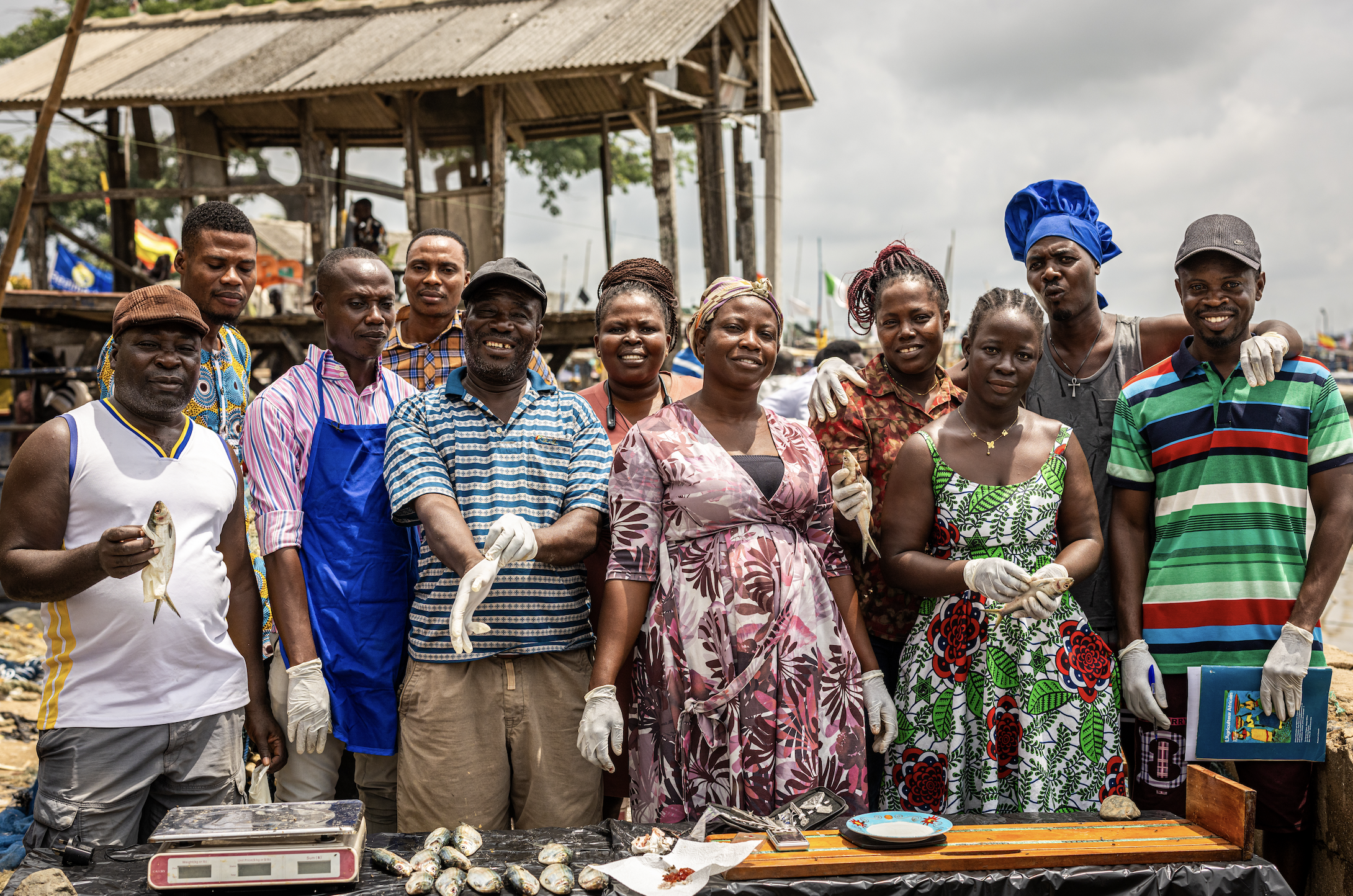
Involving small-scale fishers directly in designing and implementing fisheries management measures is critical to restoring Ghana’s declining fish populations and strengthening food security. New research from the Environmental Justice Foundation (EJF) shows that when fishers trained as citizen scientists can help shape policies such as closed seasons, long-term livelihoods for coastal communities are far more secure.
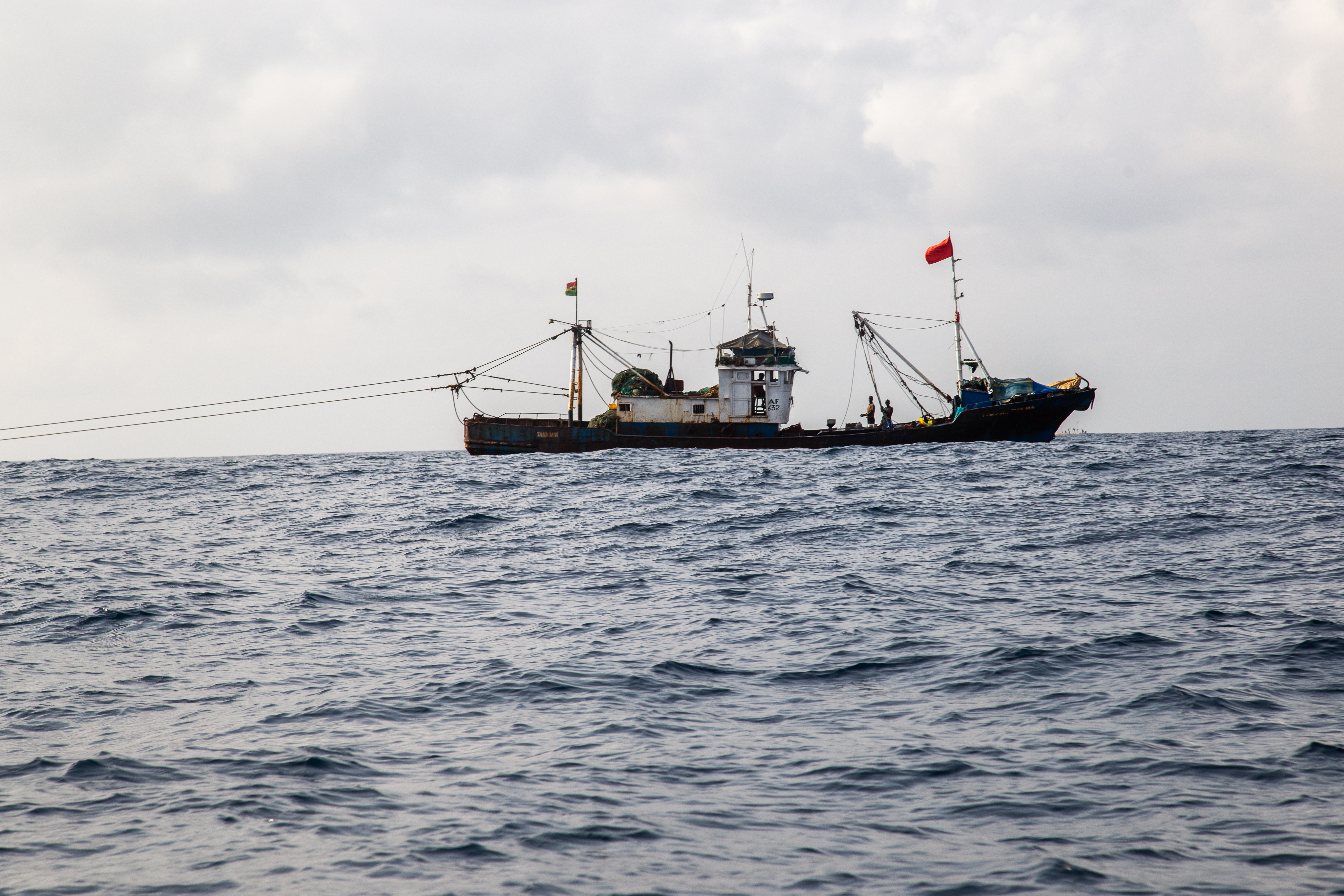
Ghana’s small-scale fisheries directly employ more than 200,000 people and support millions more through processing and trade. Yet decades of overfishing, combined with illegal, unreported and unregulated fishing, have driven severe declines in the small pelagic species that form the backbone of coastal food security.
Closed seasons, where fishing is temporarily banned in a given area, are one of the most important tools available to rebuild fish populations. When properly designed and fairly enforced, they allow fish populations time to reproduce and recover. EJF’s new research finds that many artisanal fishers recognise this and support seasonal closures. However, without meaningful participation in decision-making, compliance weakens, and trust can erode.
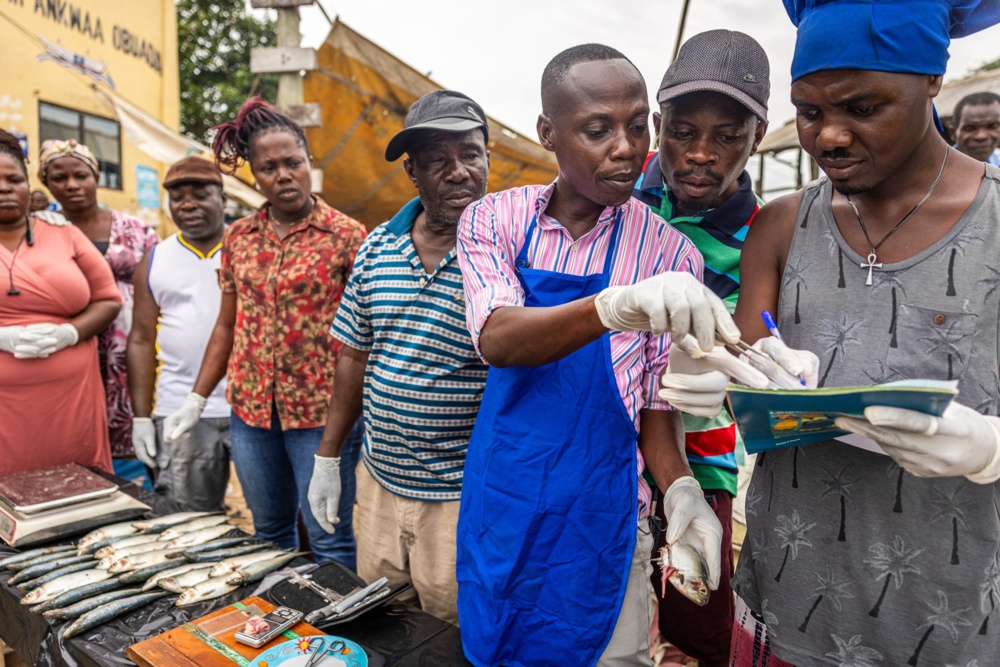
EJF found that when communities feel a sense of ownership over closed season measures, previously sceptical fishers become active participants who encourage others to follow the rules. Almost half of the 120 fishers trained as citizen scientists by EJF reported greater trust in regulators, 92% showed strong scientific understanding, and 85% expressed a wish to participate in future training.
Samuel Bassaw, a fisher from Shama, said: “I would do it again. It helped me understand the science, encouraged others to join, and made me feel part of rebuilding our stocks and fisheries.” In Apam, fisher Kojo Mensah said: “We are the ones on the water. If you include us, we will understand, support, and help others comply.”
Dr Edna Quansah, EJF's Science and Research Manager in Ghana, said: “Our research shows clearly that the closed season is scientifically necessary and strongly supported by fishing communities themselves. The opportunity now is to deepen that support by ensuring communities are fully involved in shaping, implementing and monitoring these policies, and that enforcement is fair and consistent.”
Steve Trent, EJF Founder and CEO, said: “President Mahama and Minister Arthur have shown real leadership in advancing fisheries reform at a critical moment for Ghana. Their commitment to rebuilding fish populations, strengthening governance and protecting small-scale fishers deserves strong recognition.”
“By pairing the inclusive governance recommended in this study with full implementation of the Global Charter for Fisheries Transparency, Ghana can protect livelihoods and demonstrate global leadership in accountable, community-centred fisheries management.”
ENDS
Notes to editors
To find out more, visit the interactive landing page hosting the film and the report here.
Further quotes from the fishers involved
“Initially, we complied because it was the law and didn’t want to be sanctioned if we broke it. Now we know the fish need time and a suitable environment to lay eggs just like humans, and that’s why we stop fishing.” — Samuel Bassaw, Shama
“Before implementation, we did not understand the relevance of the closed season, but after the 2nd year and [a lot of] education, we have come to see the benefits.” — Nana Kow Panyin, Cabinet member of chief fishermen, Apam
“We feel we are in school now… most of my fishers can lead discussions on the closed season during our meeting.” — Nana Kow Panyin, Apam
“We are many, and key players in the industry. When we are included from the start and understand the rationale behind the policy, we can reach more of our people than the Fisheries Commission — Jacob Okai, Chief fisherman, Bortianor
“My fishers today have a good understanding of the various maturity stages of fish… They are also able to educate their peers.” — Ruben Jefferson Ocansey, Greater Accra regional chairman, Canoe and Fishing Gear Owners Association of Ghana.
About EJF
Our work to secure environmental justice aims to protect our global climate, ocean, forests, wetlands, wildlife and defend the fundamental human right to a secure natural environment, recognising that all other rights are contingent on this. EJF works internationally to inform policy and drive systemic, durable reforms to protect our environment and defend human rights. We investigate and expose abuses and support environmental defenders, Indigenous peoples, communities, and independent journalists on the frontlines of environmental injustice. Our campaigns aim to secure peaceful, equitable and sustainable futures. Our investigators, researchers, filmmakers, and campaigners work with grassroots partners and environmental defenders across the globe. For more information or to organise an interview with one of our team, please contact media@ejfoundation.org.
Funding
This publication has been produced with financial support from Norway. The contents of this publication are the sole responsibility of the Environmental Justice Foundation and can in no way be taken to reflect the views of the Government of Norway.

SIGN UP FOR OUR EMAILS AND STAY UP TO DATE WITH EJF