Plastic is a climate problem hiding in plain sight. At COP31, governments must stop looking away.
Plastic production emits twice as much CO₂e as the aviation sector, and almost no one is talking about it. As nations meet in Antalya for COP31, EJF urges world leaders to take action to mitigate the climate impacts of plastics by reducing production. Emissions from plastics already amount to more than two billion tonnes of CO₂e a year, and under current policies this is set to more than double by 2060 as the fossil fuel industry turns to plastic as its hedge against electrification. Plastic’s harm to our climate is happening in plain sight. It’s time governments acted on it.
This year, the climate crisis came home to millions of people. In Europe, the summer of 2026 was the hottest ever recorded in several countries, with exceptional heatwaves, drought and wildfires. The cost to European economies alone may reach at least €180 billion. Yet it is people in the Global South, who have done the least to cause this crisis, who remain most exposed to its impacts.
The science is now clear: the world will warm beyond 1.5°C. We are entering an era of overshoot, and every tonne of greenhouse gas we release makes the consequences more severe and harder to reverse. To give our planet a fighting chance, it is estimated that global emissions must fall by around 60% by 2035 and 90% by 2050, compared with 2019 levels.
That demands action across every polluting sector. But as negotiators gather at COP31, one of the most carbon-intensive industries on Earth is still barely on the agenda: plastic.
The emissions no one wants to talk about
Plastic is not just a waste problem. It is a climate problem, from the moment oil and gas are pulled out of the ground.
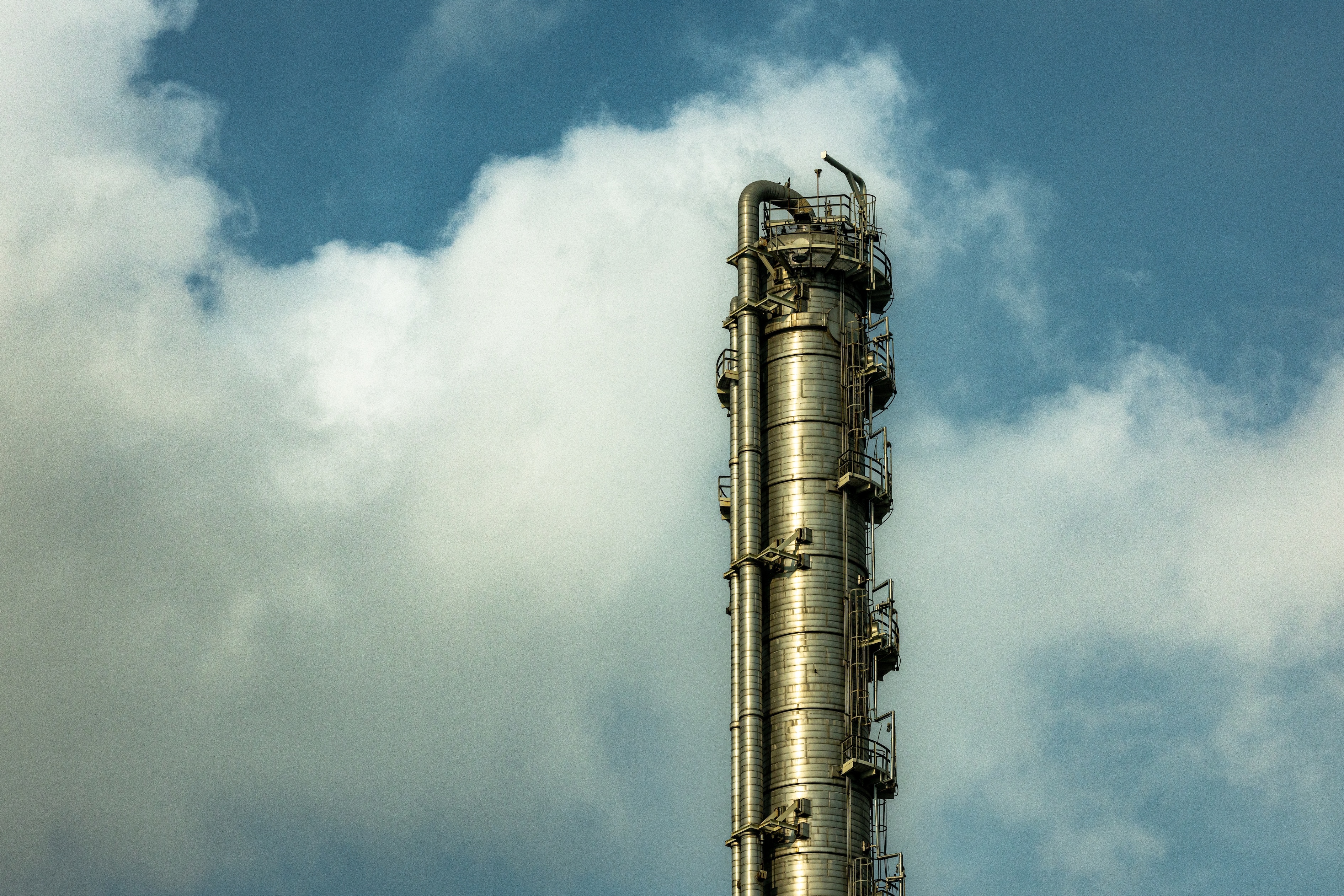
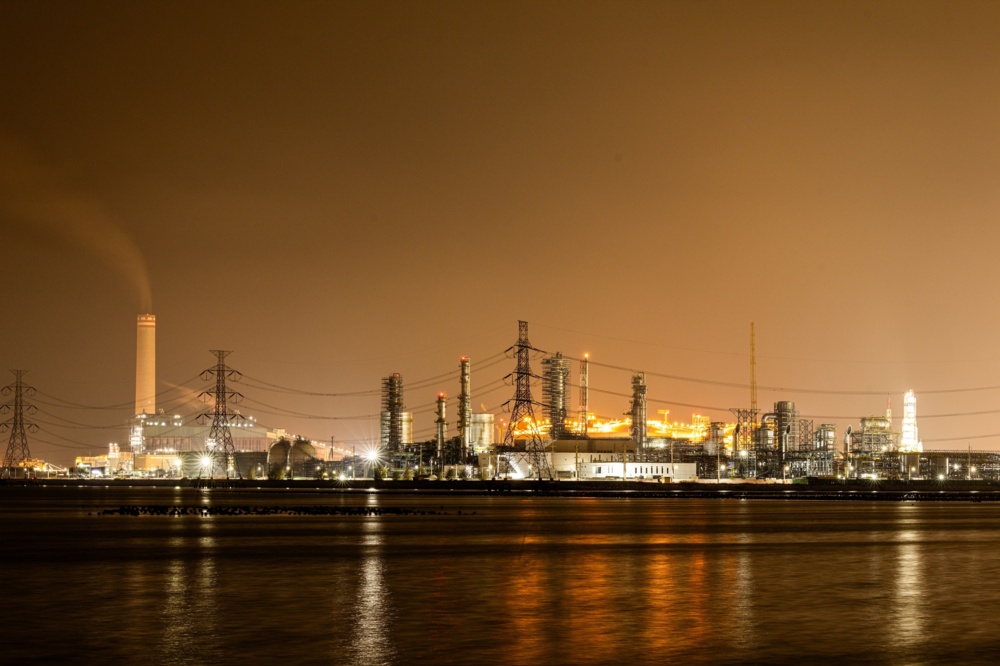
Plastic production generates emissions equivalent to more than two billion tonnes of CO2 every year, roughly twice as much as the entire aviation sector. More than 90% of those emissions happen before a plastic product ever reaches a shop shelf, during extraction, refining and production.
And the problem is set to grow. If nothing changes, global plastic production is set to almost triple by 2060, and annual emissions from fossil-based plastics could more than double. Between 2026 and 2050, plastics would emit 67 billion tonnes of CO2e — this represents just over half of the carbon budget left to give humanity even odds of keeping warming to 1.5°C.
The damage does not stop at the smokestack. Most plastic waste ends up in landfill or the natural environment, where it keeps releasing greenhouse gases. Microplastics in the ocean harm the plankton that help the sea absorb carbon, weakening one of our planet's most important natural defences against climate change.
None of this is hidden. The emissions are quantified, the projections are published and the industry's plans are public. Yet governments continue to treat plastic as a litter problem, and leave its climate impacts out of the conversation.
Plastic: the fossil fuel industry's hedge against electrification
There is a reason the plastics boom matters so much to the fossil fuel industry. As the world electrifies transport and power, demand for oil as a fuel is set to fall. Plastic is the industry's hedge against electrification: a way to keep oil and gas flowing long after our cars and power grids have moved on.
The plastics sector could account for 20% of global oil consumption by 2050, up from around 12% today. Petrochemical companies are pouring billions into new production capacity, backed by more than US$80 billion in government subsidies in 2024 alone.
This is a bet against the climate, supported by public money. Every new plastics plant built today locks in decades of fossil fuel use and emissions the planet simply cannot afford. And the economic case is far from certain: there are already signs that demand for petrochemicals may have peaked, with plants in Europe running well below capacity.
Why COP31 must step up
Governments have already recognised that plastic production needs to come down. A total of 145 countries, from every continent, have backed provisions in the draft global plastics treaty to reduce plastic production.
But those negotiations have been dragged to a standstill by a handful of oil-producing states and an unprecedented industry lobbying effort. At the latest round of talks, fossil fuel and chemical industry lobbyists outnumbered the combined delegations of the EU and all 27 of its Member States.
The climate cannot wait for that deadlock to break. COP31 is the moment for governments to show they understand what is at stake and to make plastic part of the climate response, not an afterthought.
What ambition looks like
Ambition at COP31 means governments being honest about where emissions come from, and acting on it. EJF is calling on governments to:
Recognise plastic production as a major cause of climate change, and address it within the UN climate process;
Include measures to cut plastic production in their national climate plans, alongside commitments on energy, transport and industry;
End harmful subsidies to the petrochemical industry, and stop using public money to expand plastic production;
Back a strong plastics treaty with legally binding, measurable and time-bound targets to reduce plastic production, such as the proposal from Rwanda and Peru to cut production by 40% by 2040;
Protect negotiations from industry interference, with strict conflict-of-interest rules.
The right to reduce
Everyone has the right to a world free from plastic pollution, and to a safe climate. Those rights depend on real cuts in plastic production, not more promises of recycling or "sustainable" plastic.
The evidence is in front of us. The solutions are on the table. What is missing is the political will to act. At COP31, governments must stop looking away from plastic and show the ambition and leadership this moment demands.
Read EJF's new briefing, Reducing plastic production in a post-1.5°C world: A test of resolve for the international community, here.
SIGN UP FOR OUR EMAILS AND STAY UP TO DATE WITH EJF