Voices for the Pantanal at COP31: Protecting the world’s largest tropical wetland from a ‘super’ El Niño
This World Pantanal Day, as leaders gather at COP31 in Antalya, we’re raising our voices for the largest tropical wetland on Earth.
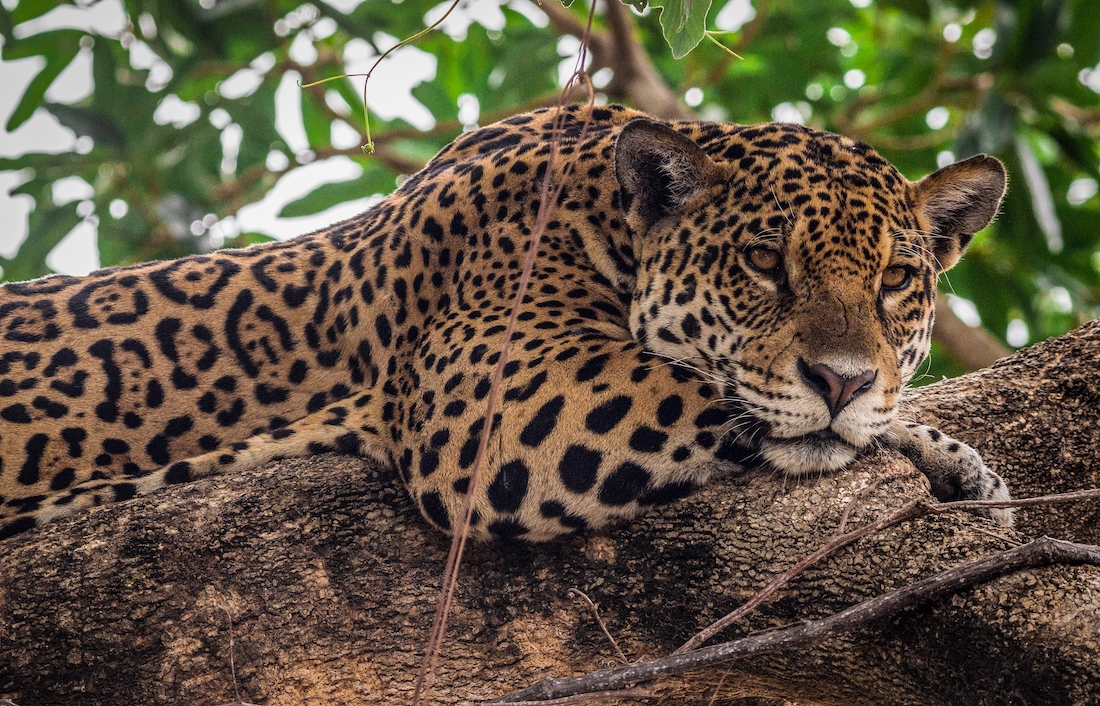
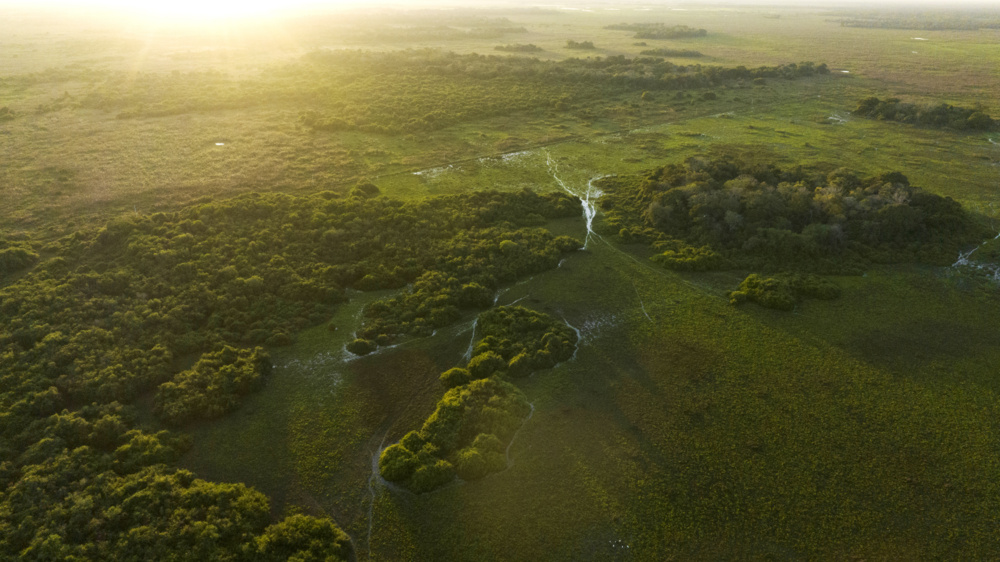
The Pantanal stretches across more than 17 million hectares of Brazil, Bolivia and Paraguay. It is one of the richest ecosystems on the planet, home to extraordinary wildlife, from the world’s highest density of jaguars to hyacinth macaws and giant otters. Eleven Indigenous territories lie within it, and it provides freshwater and flood protection for millions.
Like other wetlands, the Pantanal is a vast carbon store that helps regulate the global climate, making its protection critical not just for the region but for the planet. Wetlands cover just 6% of the Earth’s land, yet store most of its soil carbon. They also support nearly 40% of the world’s plant and animal species, yet are disappearing three times faster than forests.
The climate crisis has weakened the Pantanal’s natural resilience, bringing changes in rainfall, extreme heatwaves and worsening drought. In 2020, fires burned a third of the Pantanal, killing 17 million vertebrates and releasing 115 million tonnes of CO2. The fires damaged every Indigenous territory, and the Guató people lost 90% of their land.
Agribusiness expansion and intensive cattle ranching are also driving much of the damage. Ranchers and farmers allegedly started most of the fires in 2020 to clear land. Intensive megafarms clear huge areas of vegetation and use polluting agrochemicals, while harmful residue from soy farms in the north washes into the Pantanal basin. This expansion has pushed Indigenous peoples and local communities off their traditional land.
Private owners hold around 93% of the Brazilian Pantanal, mostly for cattle ranching, and only 5.4% is protected. Without urgent action, the Pantanal could effectively disappear by 2050.
Into this fragile landscape comes another threat: an El Niño that has already broken records and is on track to become the strongest ever recorded. The state of Mato Grosso do Sul, home to most of the Brazilian Pantanal, has declared an environmental emergency until December. For the Pantanal, El Niño could mean higher temperatures, more frequent heatwaves, less rain and greater fire risk, placing additional pressure on communities, wildlife and ecosystems already strained by the accumulated impacts of a changing climate. In Mato Grosso do Sul, fires have already burned more than 124,000 hectares of wetland this year, up 29% on the same period in 2025. And the danger doesn’t end when El Niño peaks. In 2024, unusually early and intense fires swept the Pantanal in the long tail of the previous El Niño. With an even stronger El Niño underway, next year’s dry season could be the most dangerous yet.
We can’t stop El Niño, but at EJF we are standing alongside those on the frontline, helping them prepare for it by providing:
Indigenous firefighters with drones and training to help them detect fires earlier, protecting an estimated 600,000 hectares of this irreplaceable landscape.
Camera and drone training for Indigenous leaders to document land grabbing, deforestation and water scarcity, building evidence to leverage action from decision-makers.
Infrastructure and training for Indigenous women to grow native seedlings and restore vital springs, helping reduce droughts and large-scale fires and creating local income.
We tie our work on the ground to national and international action, bringing the Pantanal to lawmakers’ attention to push for stronger protections. Earlier this year, we led the campaign to postpone the Paraná-Paraguay waterway concession, a plan that threatens the wetland’s integrity.
The Pantanal can recover, but it will take more funding and support for grassroots work and action to tackle the root causes of its destruction: ending destructive agricultural expansion and taking bold action on the climate crisis.
We already know the solutions. Global deforestation fell by 15% from 2024 to 2025, the biggest annual drop this decade, largely thanks to stronger enforcement in the Brazilian Amazon, showing that concerted action works. The Pantanal is seeing progress too. Brazil's 2025 Pantanal Statute set out principles for protecting the biome and in March the government announced a 70% expansion of two protected areas, both positive steps towards safeguarding the wetland.
With President Lula re-elected for a fourth term, there is reason for hope, but stronger, enforceable protections are still needed to protect wetlands and other critical biomes. As governments meet for COP31, EJF is calling for wetlands to be recognised for their vital role in storing carbon and placed at the forefront of climate action, backed by bold policy commitments, Indigenous leadership and new global financing. With ambitious action, we can protect the Pantanal and other wetlands and ensure the communities and wildlife they sustain can thrive.
How you can help
This World Pantanal Day, help us raise awareness of this important biome by watching and sharing our Three Things You Should Know About the Pantanal video
Follow our Pantanal campaign and help us amplify the voices of Indigenous environmental defenders.
Contact your elected representatives and demand they take decisive action to protect and restore nature’s climate solutions.
Read more about our campaign to protect the Pantanal.
SIGN UP FOR OUR EMAILS AND STAY UP TO DATE WITH EJF