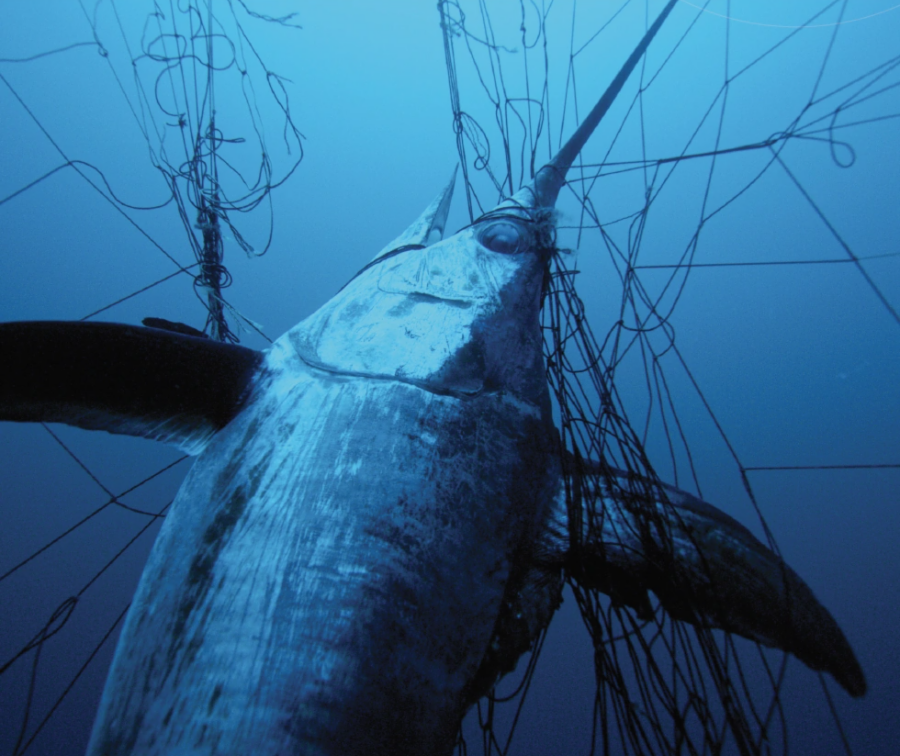
Walls of Death: new film reveals deadly driftnets in the Mediterranean
May 21st, 2026 - A new investigative film from the Environmental Justice Foundation (EJF), Walls of death: illegal driftnetting in the Mediterranean, brings the reality of banned driftnets, operating in one of the world’s most overfished seas, to the screen.
The footage, gathered during EJF’s investigation into illegal driftnetting in the Alboran Sea, shows vessels deploying kilometres of near-invisible netting in the narrow waters between Europe and Africa. This is the first time this filmed evidence has been released.
Driftnets can stretch for tens of kilometres, hanging vertically in the water column and forming what witnesses describe as a wall of death. Dolphins, turtles, sharks and other marine species become entangled and suffocate. For this reason, driftnets were banned across the Mediterranean more than two decades ago.
However, during several days at sea, EJF documented eight vessels actively deploying banned gear. Onshore research across 5 Moroccan ports identified at least 843 vessels linked to driftnet fishing, operating openly.
The Alboran Sea is a critical ecological crossroads where Atlantic and Mediterranean waters meet. Once a hotspot for common dolphins and migratory species, it is now under severe ecological pressure. Lost and abandoned driftnets continue to kill long after they are set, washing ashore or sinking to the seabed as ghost nets.
Almost all Moroccan swordfish is exported to the European Union and sold as legally caught. Without full traceability and transparency, fish caught using prohibited gear may be entering European markets undetected, undermining responsible fishers and weakening consumer confidence.
Steve Trent, CEO and Founder of the Environmental Justice Foundation, said: “The evidence is now clearer than ever. Driftnets were banned for a good reason: they devastate marine ecosystems and wipe out marine life on a vast scale. Governments have a legal obligation and a responsibility to protect this shared sea. That means enforcing the ban, boosting fisheries governance through full implementation of the Global Charter for Fisheries Transparency, and driving legal, sustainable and ethical fisheries.”
EJF is calling for coordinated enforcement of the Mediterranean driftnet ban, strengthened port inspections, full supply chain traceability for swordfish exports, and meaningful accountability for illegal operators. However, enforcement alone will not secure the future of the Mediterranean, says the NGO.
Many fishers operating driftnets see few alternatives. A durable solution requires a just transition that supports fishers to move towards legal and selective fishing methods.
“Punishment without reform will not protect the Mediterranean,” Trent added. “We need enforcement, but we also need a fair transition that protects livelihoods while restoring marine ecosystems. Protecting biodiversity and supporting coastal communities are not opposing goals, the natural world underpins every economy. With transparency, accountability and political will, they can thrive.”
WALLS OF DEATH: illegal driftnetting in the Mediterranean is available to watch now.
ENDS
Notes to editors
EJF’s written report on driftnetting in the Mediterranean is available in English, Spanish, French and Arabic upon request.
The film is available here with subtitles in Spanish, Arabic and French.
About EJF
Our work to secure environmental justice aims to protect our global climate, ocean, forests, wetlands, wildlife and defend the fundamental human right to a secure natural environment, recognising that all other rights are contingent on this. EJF works internationally to inform policy and drive systemic, durable reforms to protect our environment and defend human rights. We investigate and expose abuses and support environmental defenders, Indigenous peoples, communities, and independent journalists on the frontlines of environmental injustice. Our campaigns aim to secure peaceful, equitable and sustainable futures. Our investigators, researchers, filmmakers, and campaigners work with grassroots partners and environmental defenders across the globe. For more information or to organise an interview with one of our team, please contact media@ejfoundation.org.
SIGN UP FOR OUR EMAILS AND STAY UP TO DATE WITH EJF