Search results
Showing 401-409 result returned for ""
-
News & Media
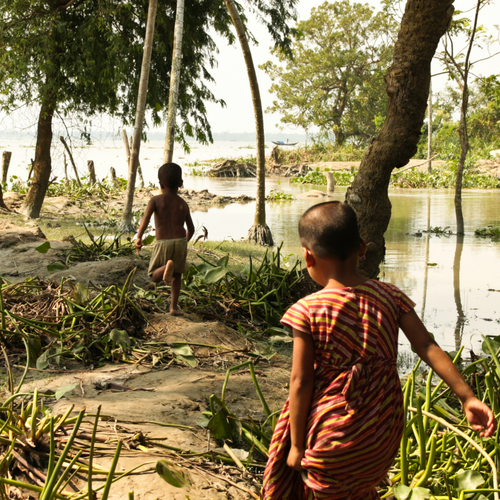 Oct 31, 2011PechaKucha-inspired EJF event on climate refugeesRead
 -
News & Media
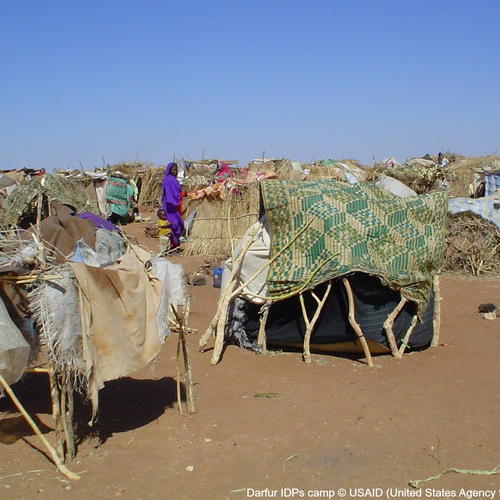 Jul 25, 2011Security Council under fire over climate changeRead
 -
News & Media
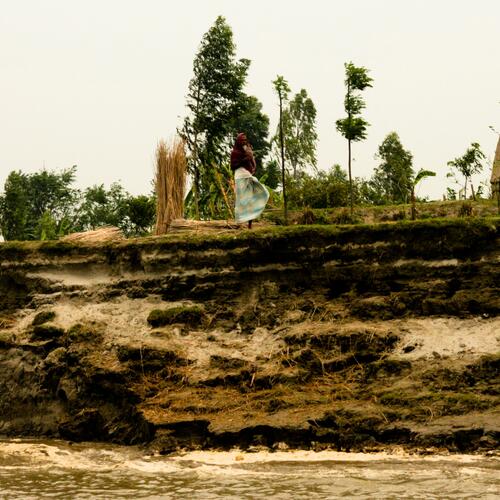 Jul 08, 2011Secretary of State warns that climate change will increase the threat of warRead
 -
News & Media
 Mar 21, 2011Celebrating Climate Week, March 21st – 25th 2011Read
-
News & Media
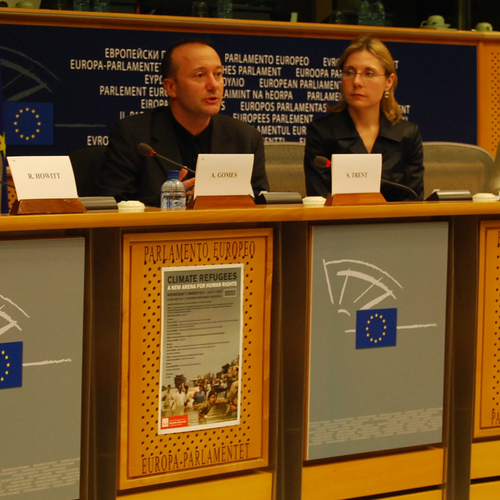 Mar 03, 2011EJF brings the issue of climate refugees to the European ParliamentRead
 -
News & Media
 Feb 18, 2011Designer low carbon t-shirt unveiled for Climate WeekRead
 -
Reports
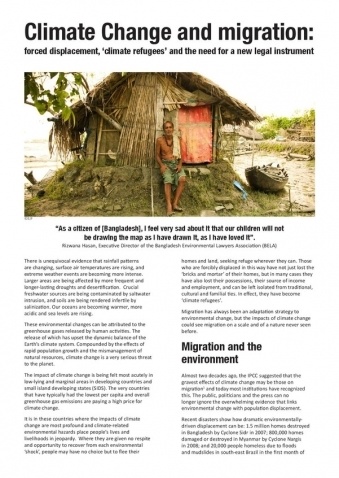
 Feb 02, 2011Climate change and migration: Forced displacement, ‘climate refugees’ and the need for a new legal instrumentRead
EJF is working with our partners to secure a legally-binding, international protocol that can fill the existing gaps in legislation and ensure that the refugee support system evolves within the context of our changing world. This new legal instrument would recognize people displaced by deteriorating environmental conditions associated with climate change as a vulnerable social group, and confer them equivalent but legally distinct protection to that conferred to refugees fleeing persecution under the 1951 Geneva Convention. This briefing outlines specific recommendations for the EU, including the need to systemically link aid and development, environment and migration policies and decision-making.
-
Reports
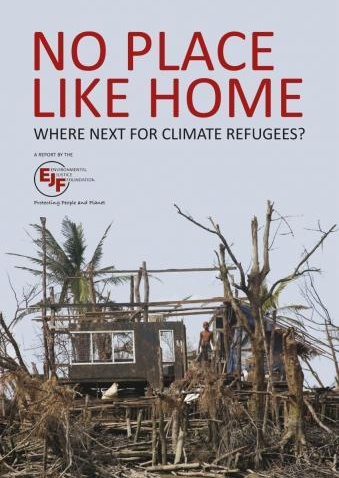
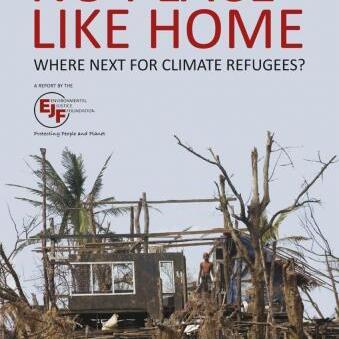 Jan 01, 2009No Place Like Home: where next for climate refugees?Read
EJF's No Place Like Home: Where next for climate refugees? report considers how the negative impacts of climate change are impacting on human rights and driving millions of people from their homes and land each year. It puts the call to governments and political leaders to secure a new agreement on climate refugees, guaranteeing them effective enjoyment of their human rights and a fair claim to our shared world.
-
Reports
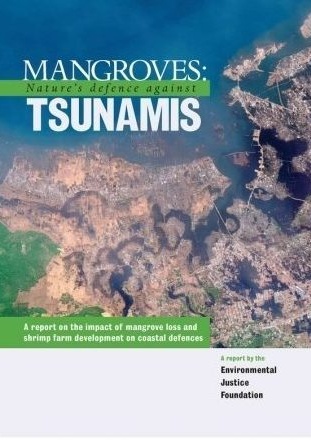
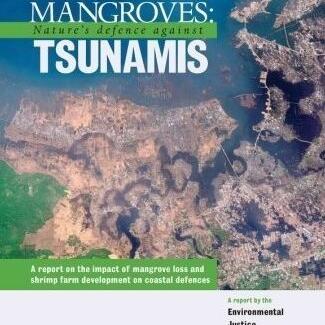 Jan 01, 2006Mangroves: Nature's Defence Against TsunamisRead
Mangroves represent far more than just a ‘bio-shield’. Despite being regarded for many years as ‘wastelands’, ripe for development, it is now known that mangroves provide coastal communities with many services and utilizable products, and perform vital ecosystem functions.
This report concludes that the conversion of mangrove habitat into shrimp farms, tourist resorts, agricultural and urban land over the past decades, as well as destruction of coral reefs, contributed significantly to the catastrophic loss of human lives and settlements during the 2004 tsunami. Conserving and restoring coastal mangrove areas is essential if coastal communities are to recover and be protected from future similar events.