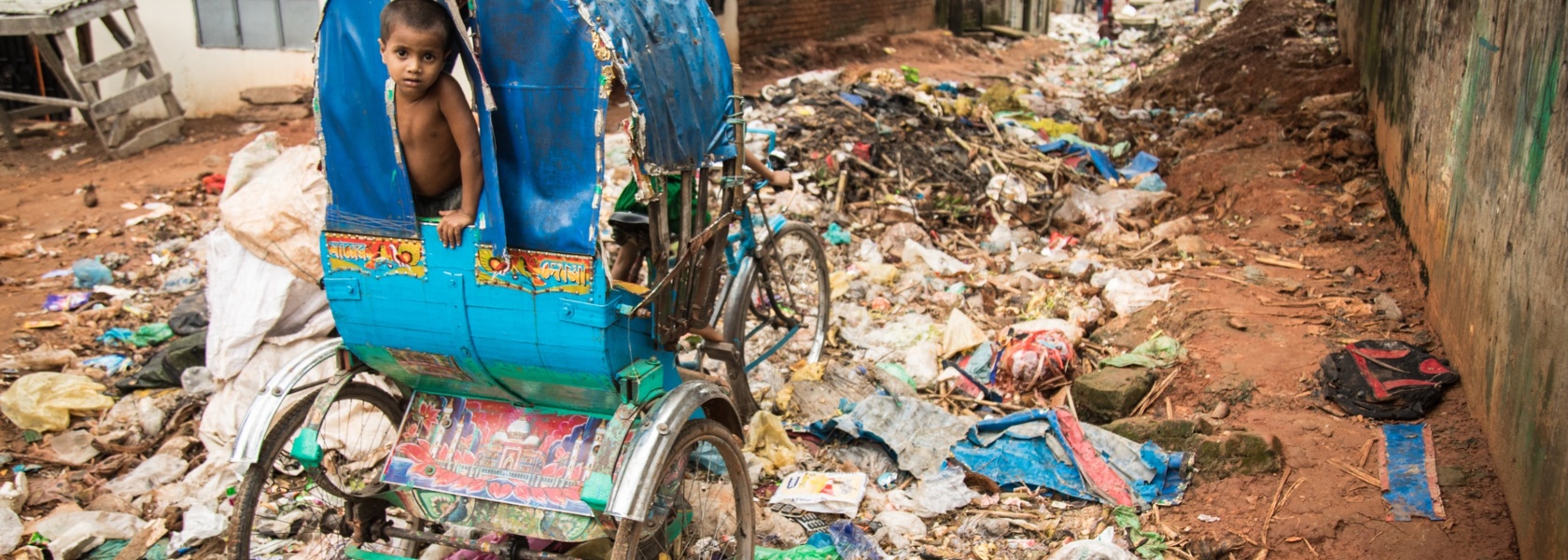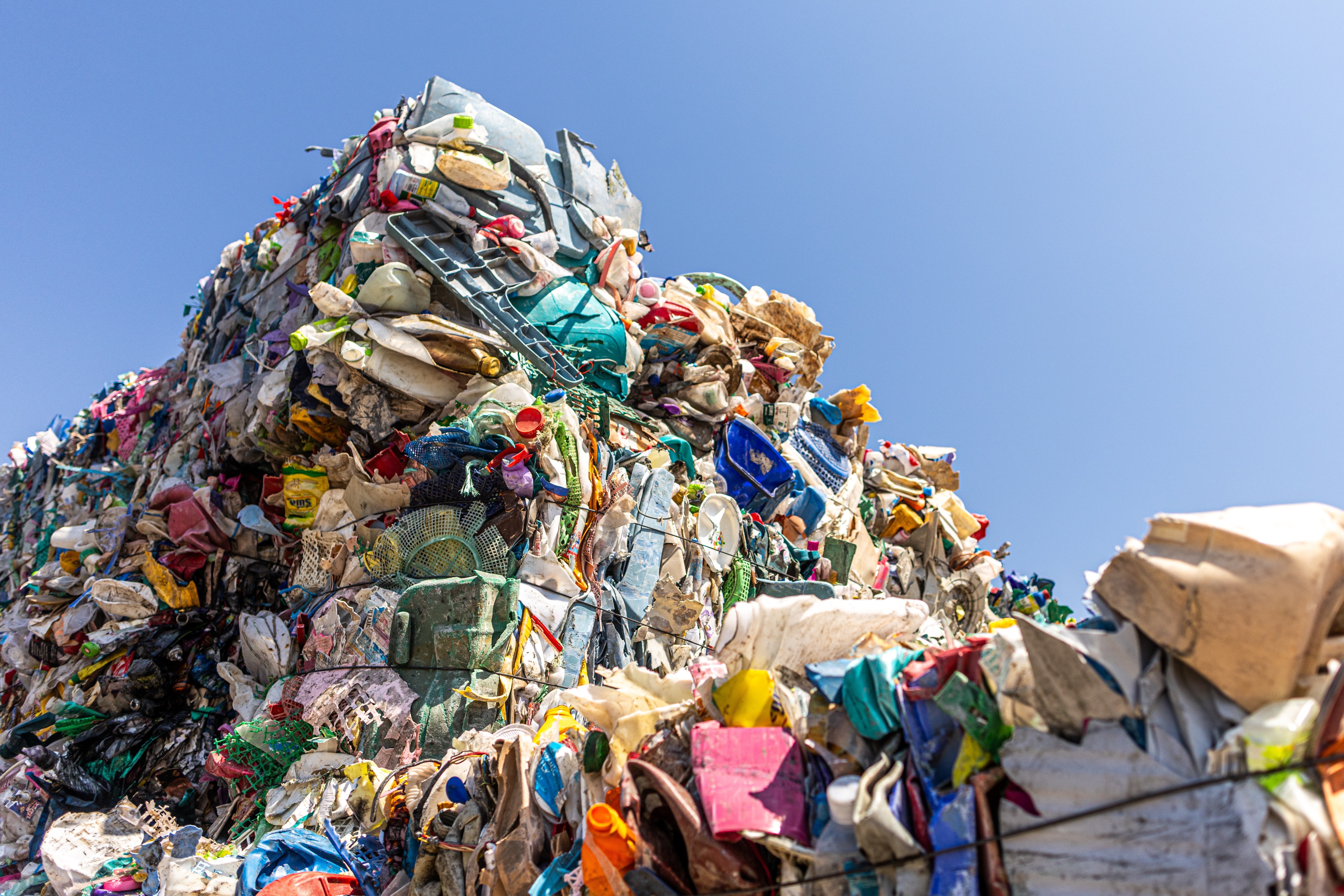
The sheer magnitude of plastic waste on our planet is overwhelming. It is a critical threat to human health and our environmental security. Every piece of plastic that has ever been produced still exists, with the majority of it ending up in our oceans. This directly harms coastal communities that rely on ocean industries for survival.
Microplastics have been found in human brains, blood, and tissue. In adult and infant faeces. In breast milk. They have crossed the placental barrier and entered foetuses' bloodstreams. The food we eat, the bottles and utensils we use, the air we breathe: all of it carries plastic particles into our bodies. This is not a future risk. It is happening now.
Plastic also has a massive carbon footprint, releasing billions of tonnes of greenhouse gases every year – an amount that is only increasing. In 2019, plastic production generated 1.8 billion tonnes of greenhouse gas (GHG) emissions, 3.4% of the global total. This is expected to double by 2060.
Major fossil fuel companies - the same ones profiting from the suffering and displacement caused by the climate crisis - see plastics as their growth strategy as renewables displace their fuels. Aramco will triple its plastic production by the 2030s, with Exxon planning an 80% increase by 2050. As long as production continues to rise, no amount of individual recycling or consumer choice will be enough to reverse the tide.
This shapes daily life in ways we often hardly notice. Coffee arrives in disposable, plastic-waxed cups with plastic lids. Household products line shelves in single-use packaging, with no alternatives in sight. Convenience is built in, but severe harm to us and our planet is too.
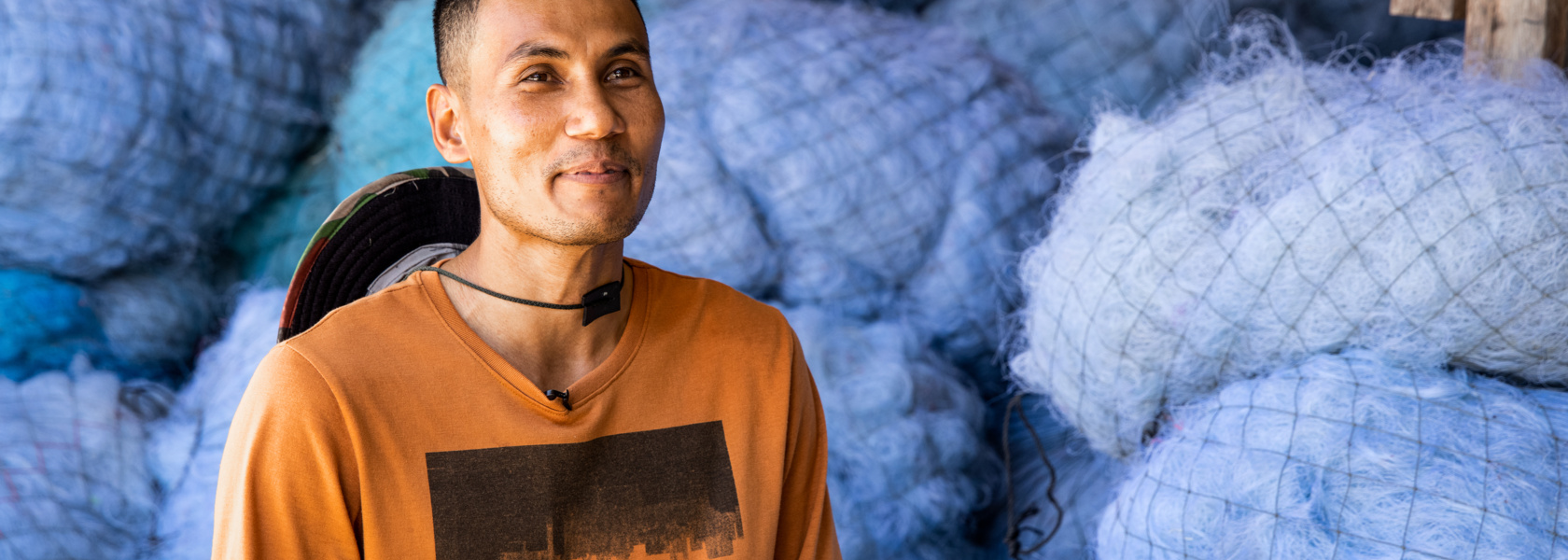
EJF's response is to work across the entire lifecycle of the problem. Through our Net Free Seas programme, we tackle plastic waste entering the ocean directly. Through Bottle Free Seas, we work with communities on reduction at source. And through our research and advocacy, we are making the case for something more fundamental: the Right to Reduce. This is the principle that people must have the genuine freedom, backed by policy and law, to live without unnecessary plastic exposure. It is a concept EJF introduced in 2026, and one we intend to see reflected in the outcomes of international plastics negotiations.
We can no longer treat this crisis as a waste problem alone. We must swiftly reduce, and ultimately end, global primary plastic production.
Our Plastics campaigns
-

Protecting people and planet from plastic exposure
Building a movement to secure our “Right to Reduce” plastic production and consumption
Find out more