“Political will alone won’t save the Baltic Sea”: EJF urges urgent action after European Parliament vote
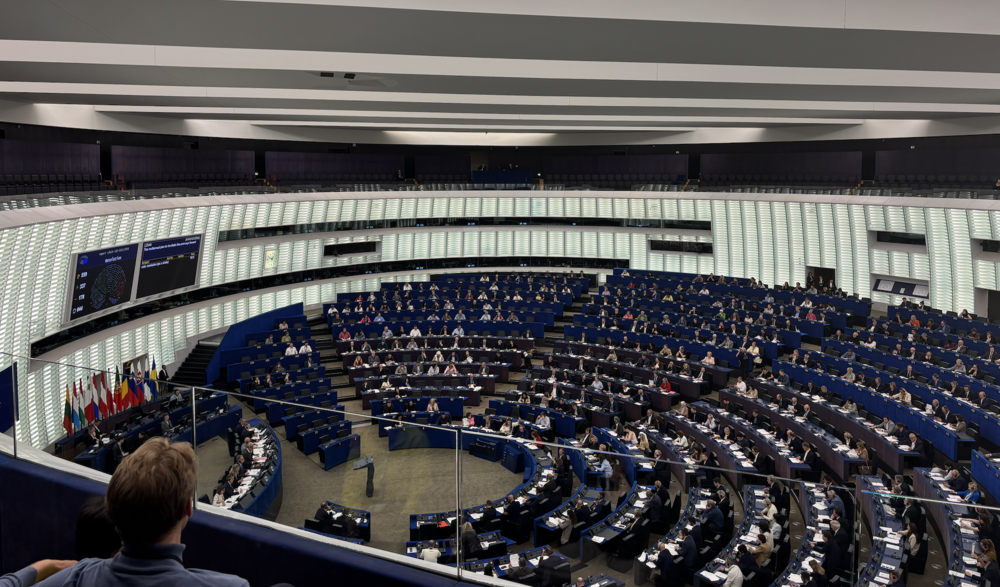
The Environmental Justice Foundation (EJF) welcomes today’s vote by the European Parliament calling for stronger action to restore the Baltic Sea, rebuild depleted fish populations and improve enforcement of existing fisheries rules. The Baltic Sea remains one of Europe’s most threatened marine ecosystems, with declining fish populations putting coastal livelihoods, marine wildlife and long-term food security at risk.
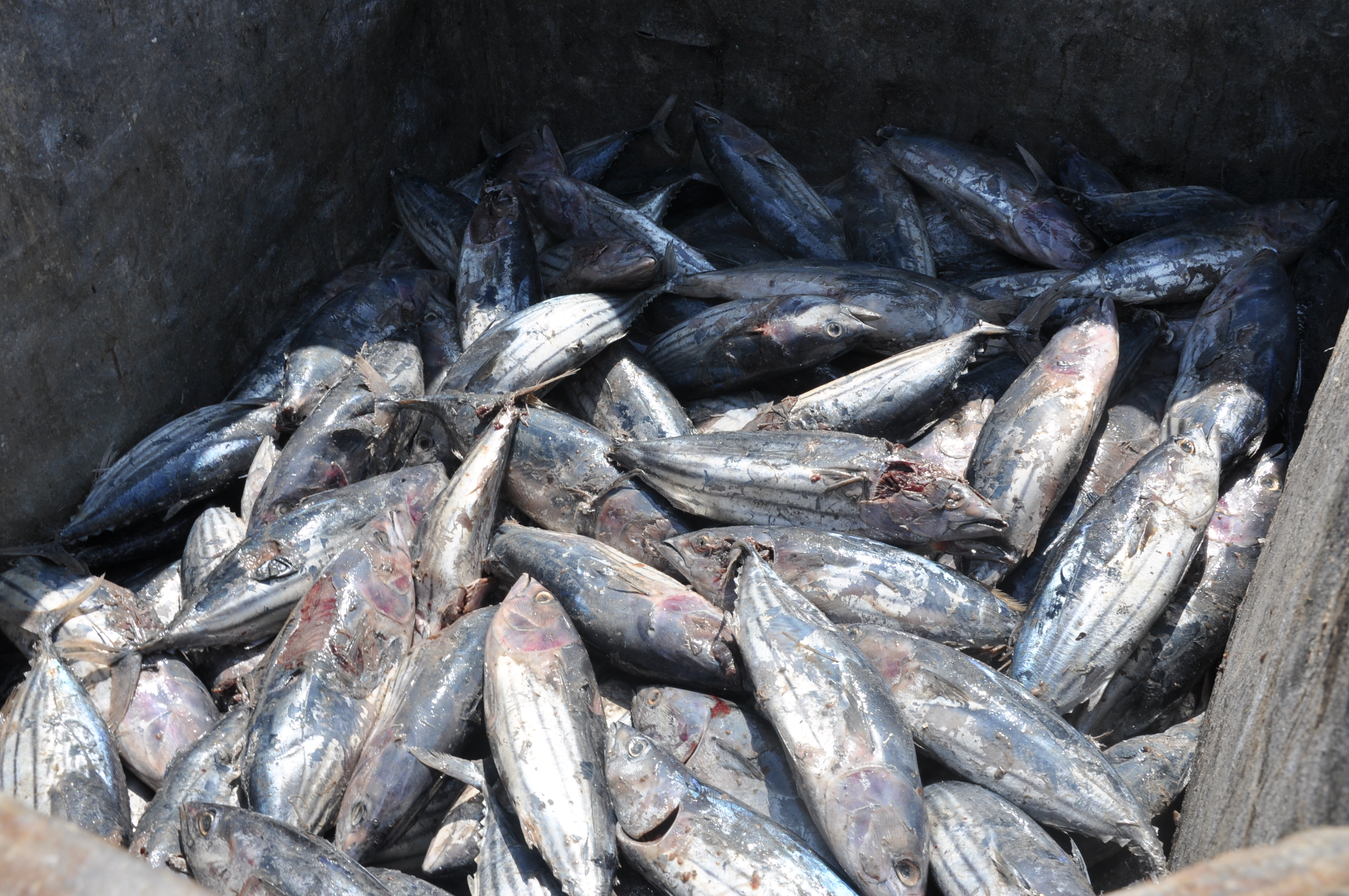
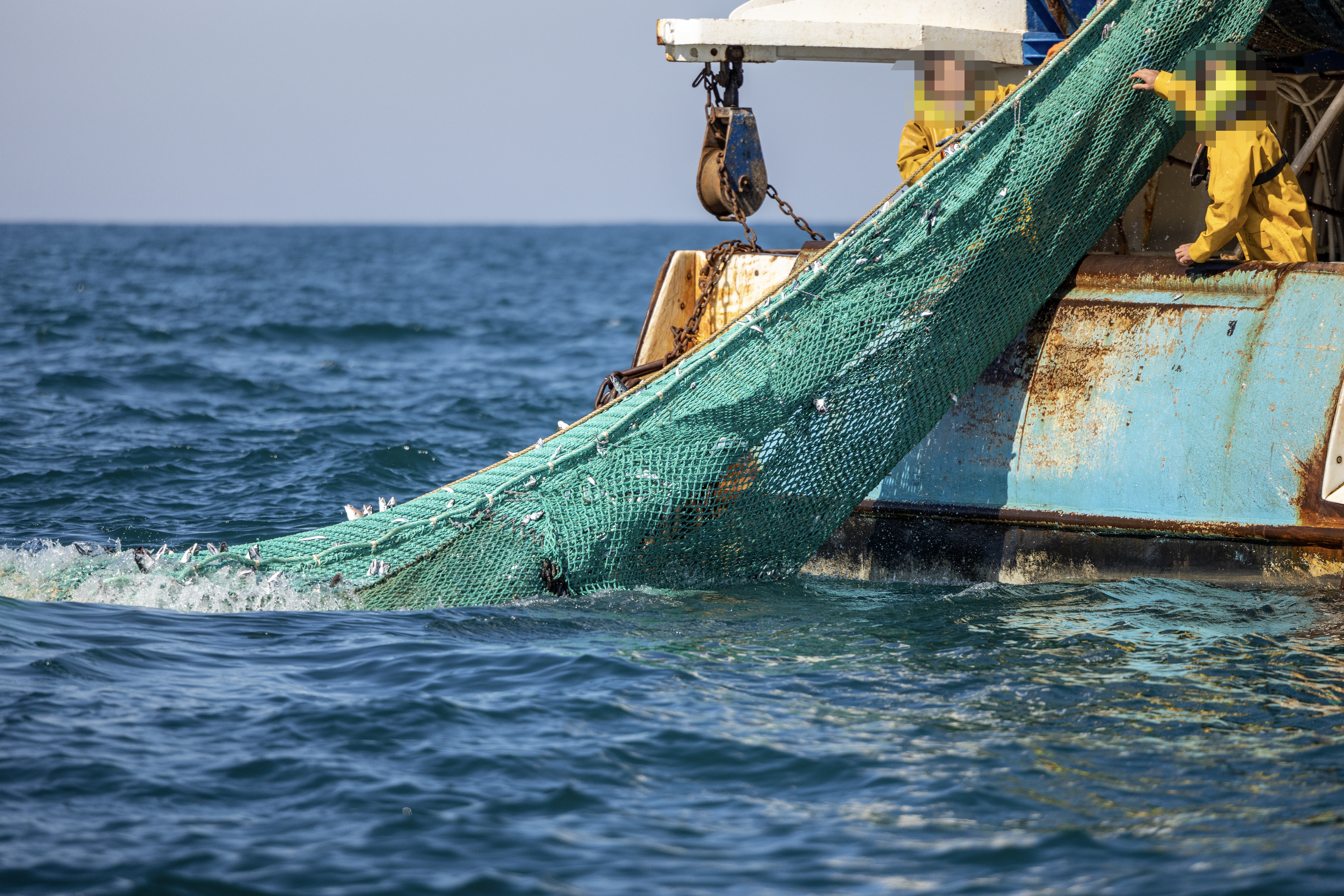
While noting that this report could have been more ambitious, EJF welcomes the Parliament’s recognition that misreporting of catches remains an ongoing and especially significant problem in Baltic fisheries, as well as the Parliament’s support for stronger implementation of existing measures. This includes the revised Fisheries Control Regulation and remote electronic monitoring on industrial vessels. If Baltic Member States adhere to this, it can deliver real progress on the road to rebuilding fish populations in the basin by increasing transparency on actual catches, says the NGO.
EJF also applauds calls to improve implementation of the landing obligation and strengthen efforts to reduce unwanted catches and protect vulnerable species in the Baltic Sea, including the critically endangered Baltic harbour porpoise.
Steve Trent, CEO and Founder of the Environmental Justice Foundation, said: “Today’s vote recognises an uncomfortable truth: depleted fish populations in the Baltic are not inevitable. They are the result of choices, including weak implementation and inadequate oversight.”
“The political will is apparently there, but that alone won’t save the Baltic Sea. The challenge now is action. Existing tools, from remote electronic monitoring to stronger enforcement of fisheries rules, must be fully implemented and properly funded.”
“Restoring the Baltic Sea using these tools can secure long-term livelihoods and sustainable fisheries, directly supporting the future of coastal communities. Europe has shown global leadership on these issues before. It must do so again, urgently.”
EJF stresses that fisheries management cannot be separated from wider pressures on marine ecosystems, including climate change and pollution. Reducing hidden fishing pressure while tackling environmental stressors will be essential to restoring resilient marine ecosystems and thriving coastal economies, says the NGO.
The organisation called on EU institutions and Member States to turn Parliament’s recommendations into concrete measures that rebuild fish populations and improve transparency and accountability in fisheries management.
ENDS
Notes to editors
The Baltic Sea is one of the world’s most heavily impacted marine ecosystems, with several commercially important fish populations in severe decline.
The European Parliament adopted The multiannual plan for the Baltic Sea and ways forward (2024/2127(INI)) on 21 May 2026.
The report highlights implementation gaps in existing fisheries legislation and supports stronger enforcement measures, including under the revised Fisheries Control Regulation.
Previous European Commission assessments have identified shortcomings in catch verification and monitoring in some Baltic Member States.
More information:
European Parliament report adopted in PECH in April 2026: https://www.europarl.europa.eu/doceo/document/A-10-2026-0121_EN.html
European Parliamentary Research Service briefing (2025): https://www.europarl.europa.eu/thinktank/en/document/EPRS_BRI(2025)767190
EJF report on Misreporting and the Environmental Impact in the Baltic Sea (2022): https://ejfoundation.org/resources/downloads/Baltic-study.docx.pdf
European Commission Staff Working Document on Sustainable fishing in the EU: state of play and orientations for 2026 (2025): https://eur-lex.europa.eu/legal-content/EN/TXT/?uri=CELEX%3A52025SC0149&qid=1766779688135
About EJF
Our work to secure environmental justice aims to protect our global climate, ocean, forests, wetlands, wildlife and defend the fundamental human right to a secure natural environment, recognising that all other rights are contingent on this. EJF works internationally to inform policy and drive systemic, durable reforms to protect our environment and defend human rights. We investigate and expose abuses and support environmental defenders, Indigenous peoples, communities, and independent journalists on the frontlines of environmental injustice. Our campaigns aim to secure peaceful, equitable and sustainable futures. Our investigators, researchers, filmmakers, and campaigners work with grassroots partners and environmental defenders across the globe. For more information or to organise an interview with one of our team, please contact media@ejfoundation.org.
SIGN UP FOR OUR EMAILS AND STAY UP TO DATE WITH EJF