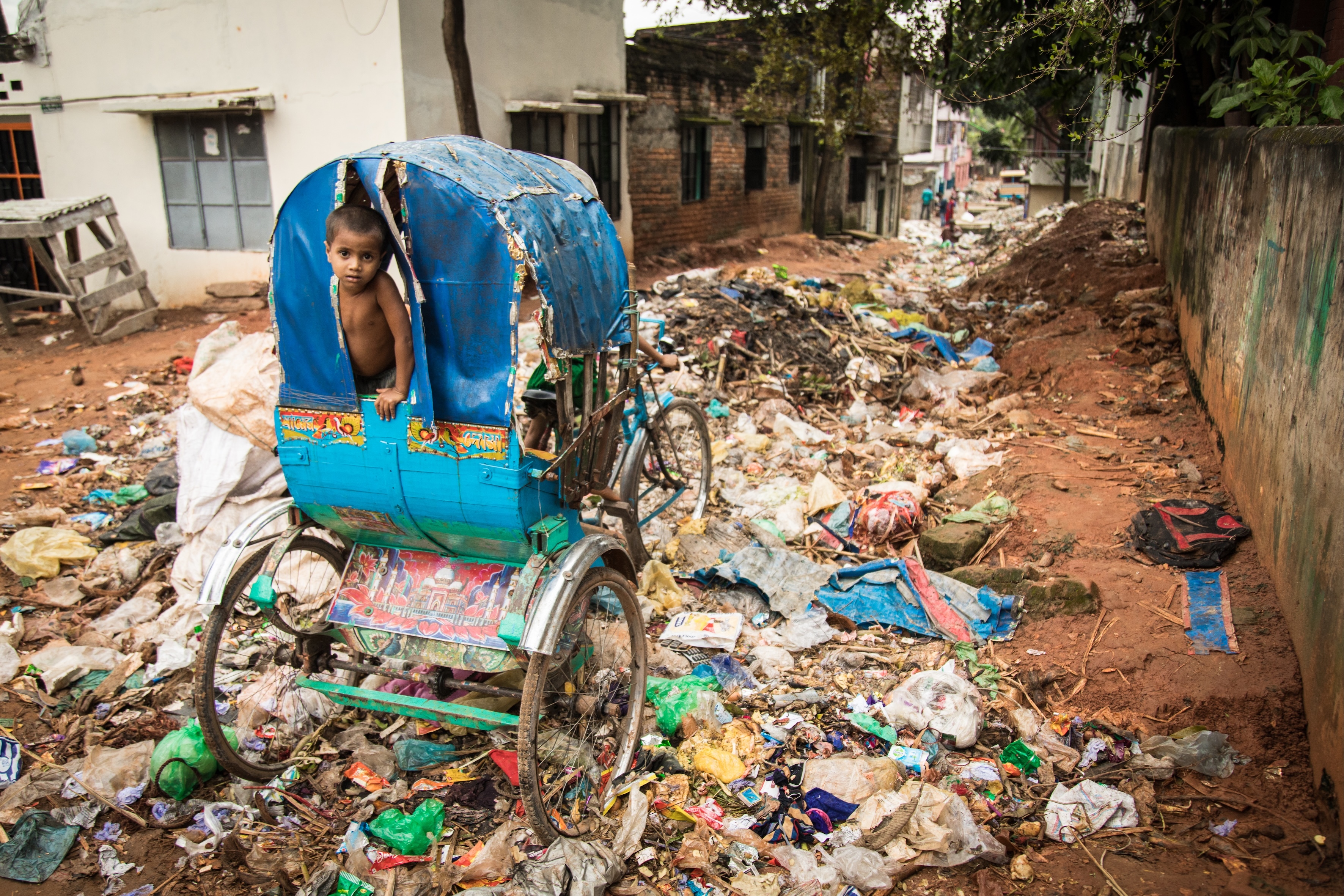
Plastic production and pollution isn’t just an environmental crisis - it presents a direct and escalating threat to human health. Our constant exposure to plastics and associated chemicals means they can enter our bodies even before we are born.
We are exposing the true cost of plastic chemicals with our recent investigation, "Poison Plastics: How Chemicals in Everyday Plastics are Harming Your Health", and fighting for a plastic-free future through our advocacy work.
A plastic world
Plastics and the chemicals they contain have become deeply embedded in our lives and bodies within only a single generation. In 1950, global plastic production was under two million tonnes. Today, more than 430 million tonnes of plastics are produced annually.
There are no signs of stopping: Global plastic production has been projected to more than double by 2050 and more than triple by 2100.
Our plastic consumption is enormous. Plastic polyethylene terephthalate (PET) bottles - most commonly used for water, soft drinks, and household objects - are sold at shocking rates:
Every hour: 54.9 million bottles, nearly 1 million every minute
Every day: 1.3 billion bottles
Every year: 481.6 billion bottles
There are more invisible risks to plastics than what meets the eye: microplastics, nanoplastics, and dangerous plastic chemicals have crept their way into our bodies. The only way to protect both humans and the planet is through the swift reduction and end to plastic production.
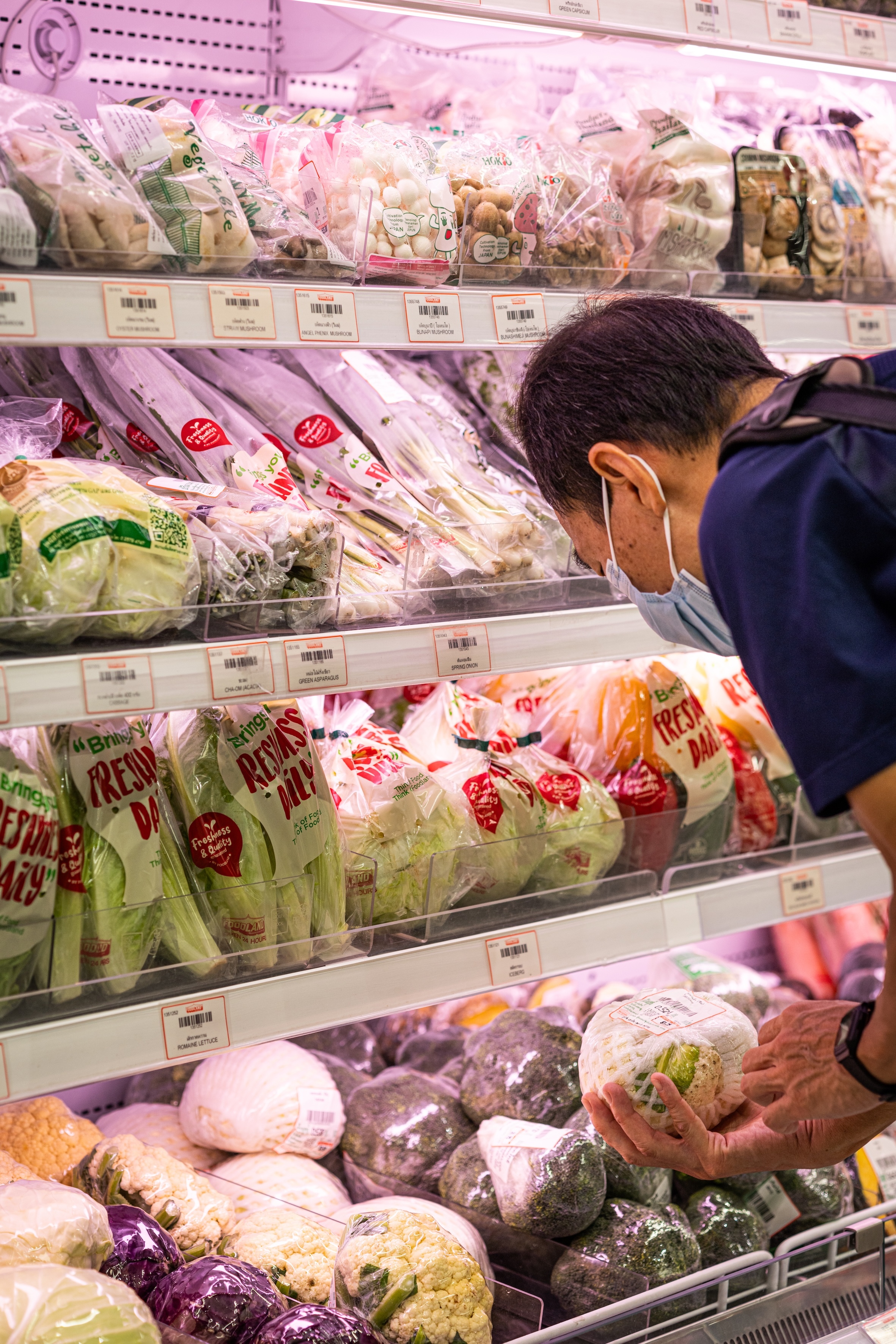
It is concerning how extensively plastics are used in our daily life, such as in our kitchens, and how heating, scratching, or degrading them may increase the release of particles and chemicals.
Vilde Kloster Snekkevik, Research Scientist, Norwegian Institute for Water Research, Norway
Poison Plastics
Plastics are found in most of the items we rely on every day. When EJF’s research team analysed data on plastic chemicals, we found alarming gaps in our understanding of their health risks. We found that the majority of chemicals in items we studied, including food contact plastics, textiles, toys, household items and hygiene and medical items, lacked relevant data to assess human health toxicity and risk of exposure.
Alarmingly, where toxicity information was available, EJF identified 92.8% of the chemicals assessed as presenting a high risk to human health. Many of these chemicals are known or suspected to cause cancer, damage vital organs, disrupt hormones, impair fertility and development, and contribute to chronic disease.
Read the report here.
Our right to reduce
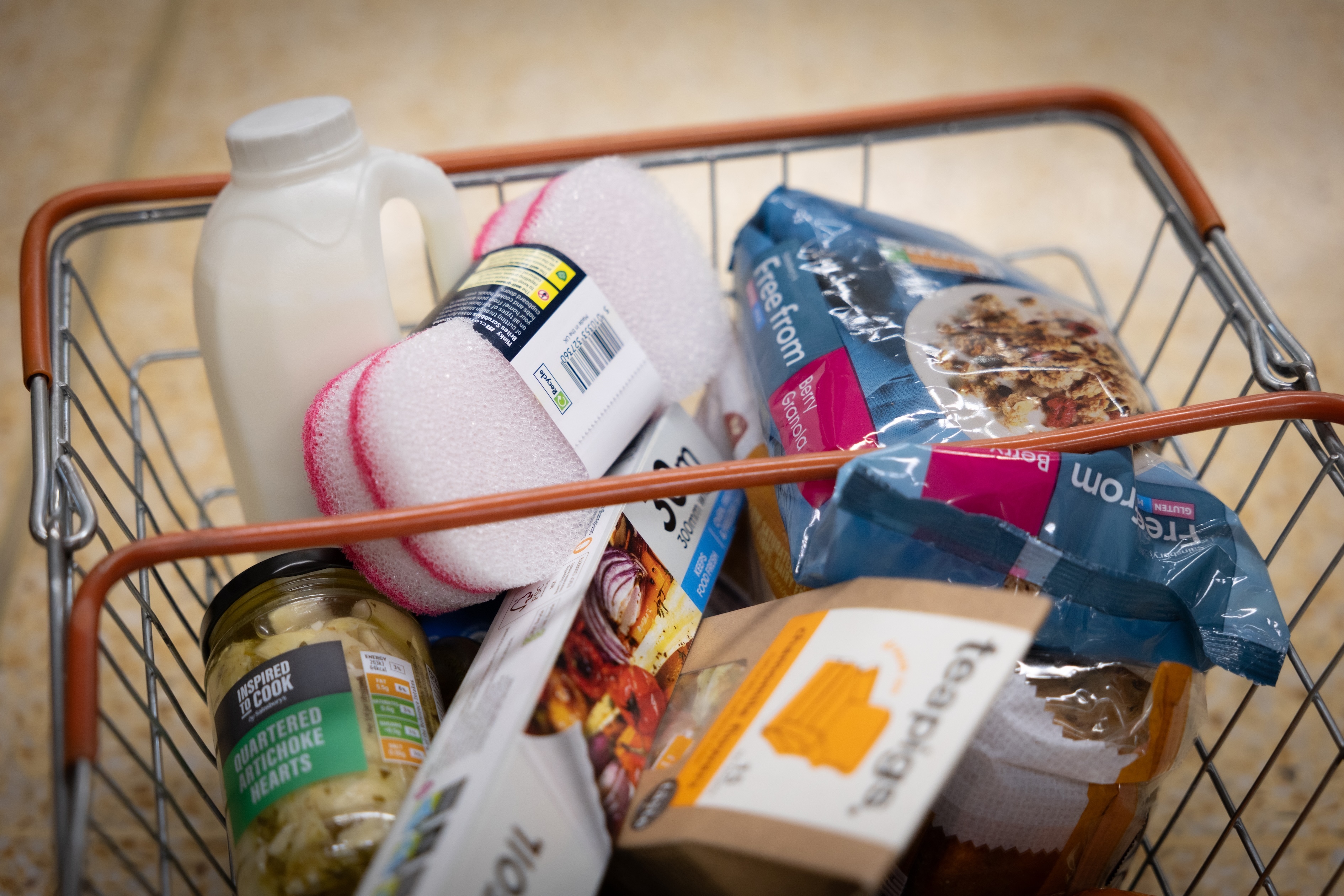
Despite the health risks, plastics have embedded themselves into every aspect of modern life, making it nearly impossible to fully avoid or refuse them.
EJF has introduced the concept: “Right to Reduce”: our ability to reduce consumption of plastics and materials should be viewed as a fundamental human right.
Our economic system relies on overproduction and maintaining our throwaway, single-use culture. The dominance of plastics in everyday life means this right is not protected systematically.
The status quo cannot be challenged with behavioural change alone. We can guarantee the right to reduce by establishing toxic-free, reduction-enabling systems, challenging the current system of plastic overproduction and overconsumption, and rejecting false solutions, such as the prioritisation of recycling and waste-to-energy systems.
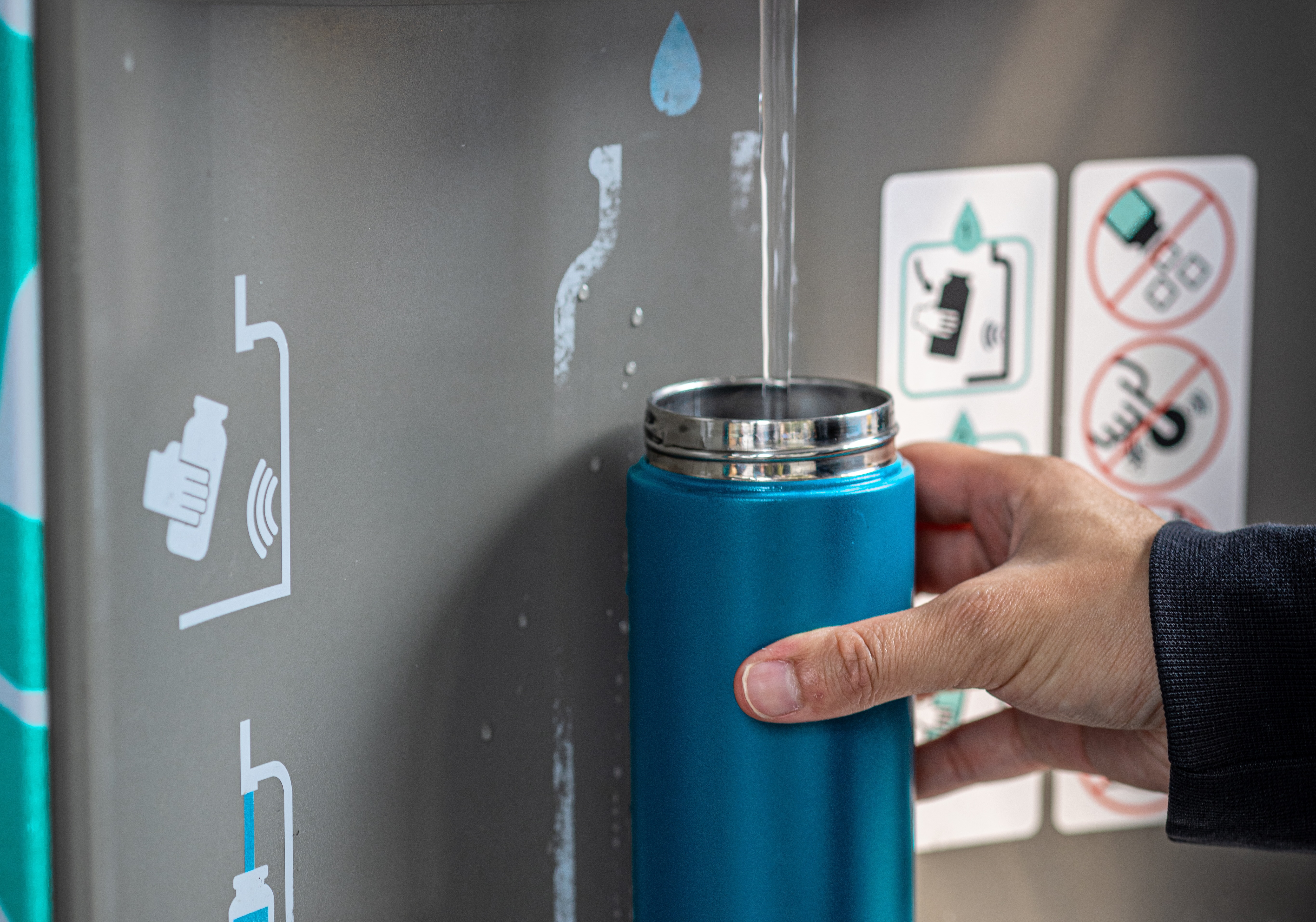
In Thailand, we installed water refill stations which can reduce one million single-use bottles yearly, in collaboration with the Bangkok Metropolitan Administration. The effort shows that reducing plastics is achievable through systems change and available “rights to reduce” supported ecosystems.
Building a plastic-free future
The only way we can protect future generations and ourselves from accumulating even more plastic is to swiftly start to reduce and eventually end plastic production.
EJF campaigns at the global and national levels to control the use of chemicals in plastic production, for our “Right to Reduce” our plastic consumption, and the reduction in and eventual end to plastic production. Our campaigners have participated in the Global Plastics Treaty talks and fought for strong, binding targets and for greater representation of civil society and marginalised communities.
While the talks have been marred by the overwhelming presence of fossil fuel and petrochemical interests, most nations have ambitions for a strong Treaty. We are calling for these countries to double their efforts by working together to build a plastic-free world.
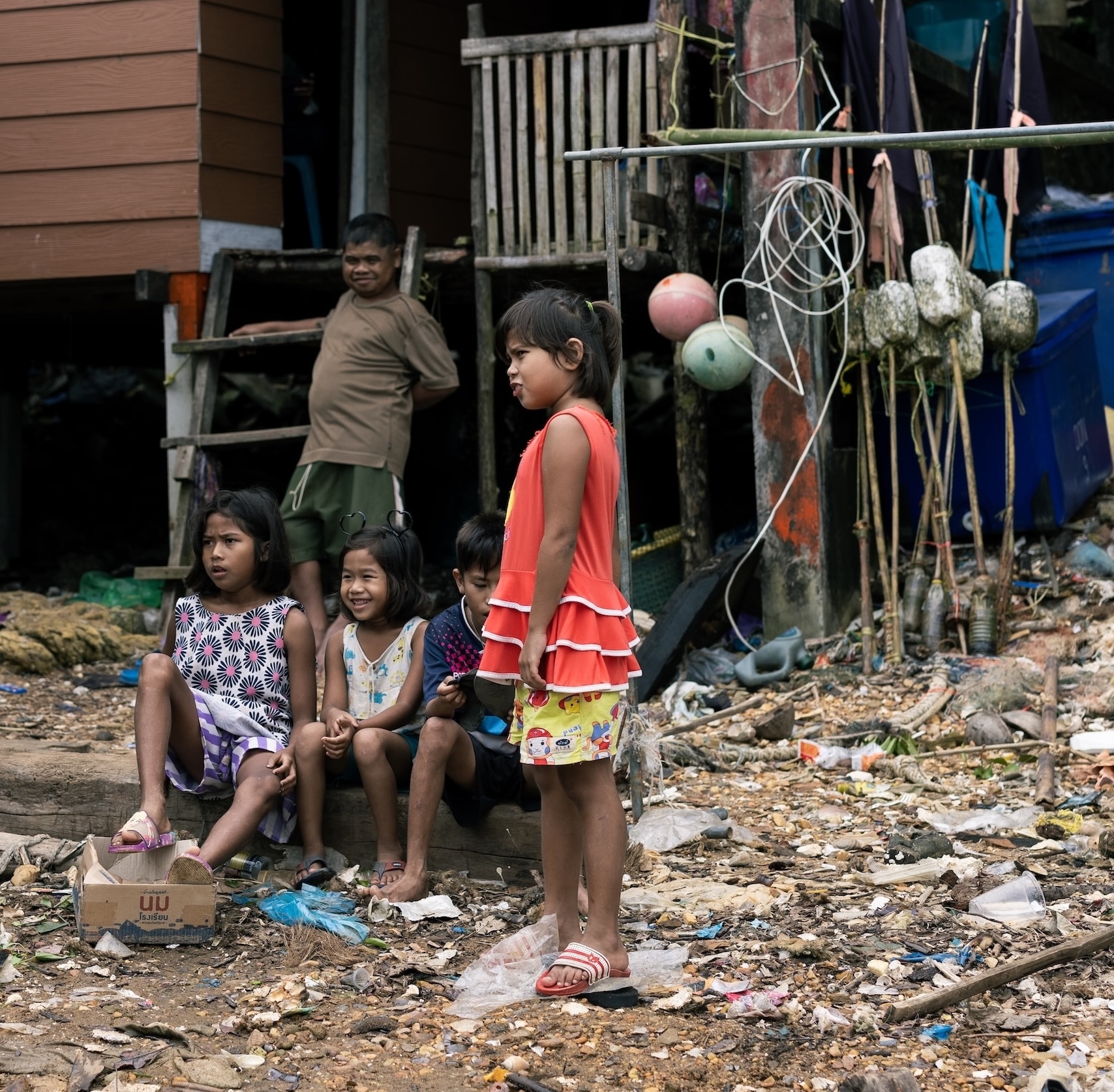
The greatest harm and impact on public health stems from exposure that occurs in early life (prenatal and childhood) because children are more vulnerable to exposure and exposure during sensitive windows of development can have persistent effects on organ function.
Jennifer Thompson, Associate Professor, Cumming School of Medicine Department of Biochemistry and Molecular Biology, University of Calgary, Canada
We are calling on policy-makers across the globe to work together to:
Commit to binding targets that drastically reduce plastic production.
Regulate the use of chemicals of concern throughout the life cycle of plastics, especially during production.
Implement toxic-free reuse, refill, repair and other reduction-enabling systems in place of toxic single-use systems.
Support urgent multidisciplinary research and education on the human health and environmental impact of plastics.
Keep fossil fuel and petrochemical interests out of the Global Plastics Treaty and put the health of people and the planet first.
You can also take action to support our campaign:
Share our findings with your loved ones and on your social media. We need as many people to know that plastics are poisoning them.
Contact your government official and ask them to support your right to reduce.
Tell companies that you want non-toxic products, free of the chemicals that put you and your children at risk.
We can build a future that is free of plastics, but we need the will to achieve it. A planet where we can leave our homes without stepping on plastic waste and where our health is not threatened by dangerous plastic chemicals is one we all should want to live on.

Related items
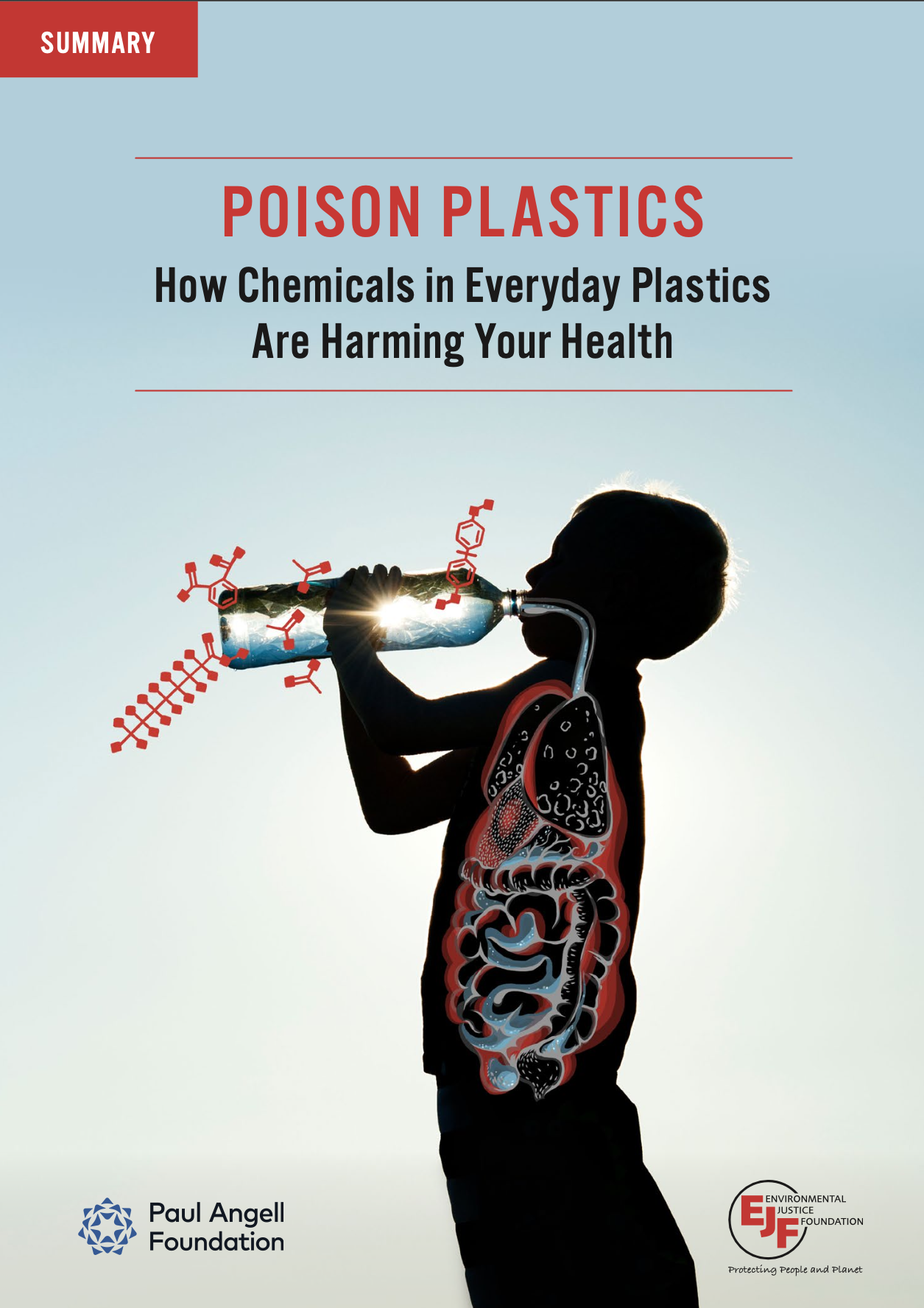
Plastics and the chemicals they contain have become deeply embedded in our lives within only a single generation. They are found in the vast majority of items we rely on every day – from food packaging and takeaway containers to clothing, furniture, hygiene products, infant feeding bottles and children’s toys.
This summary of our full report shares our novel analyses of the PlastChem data to shed light on the risks presented to human health by everyday items containing plastic-associated chemicals. The findings make the case for a world where the products we use every day are safe by design; today, they are not.
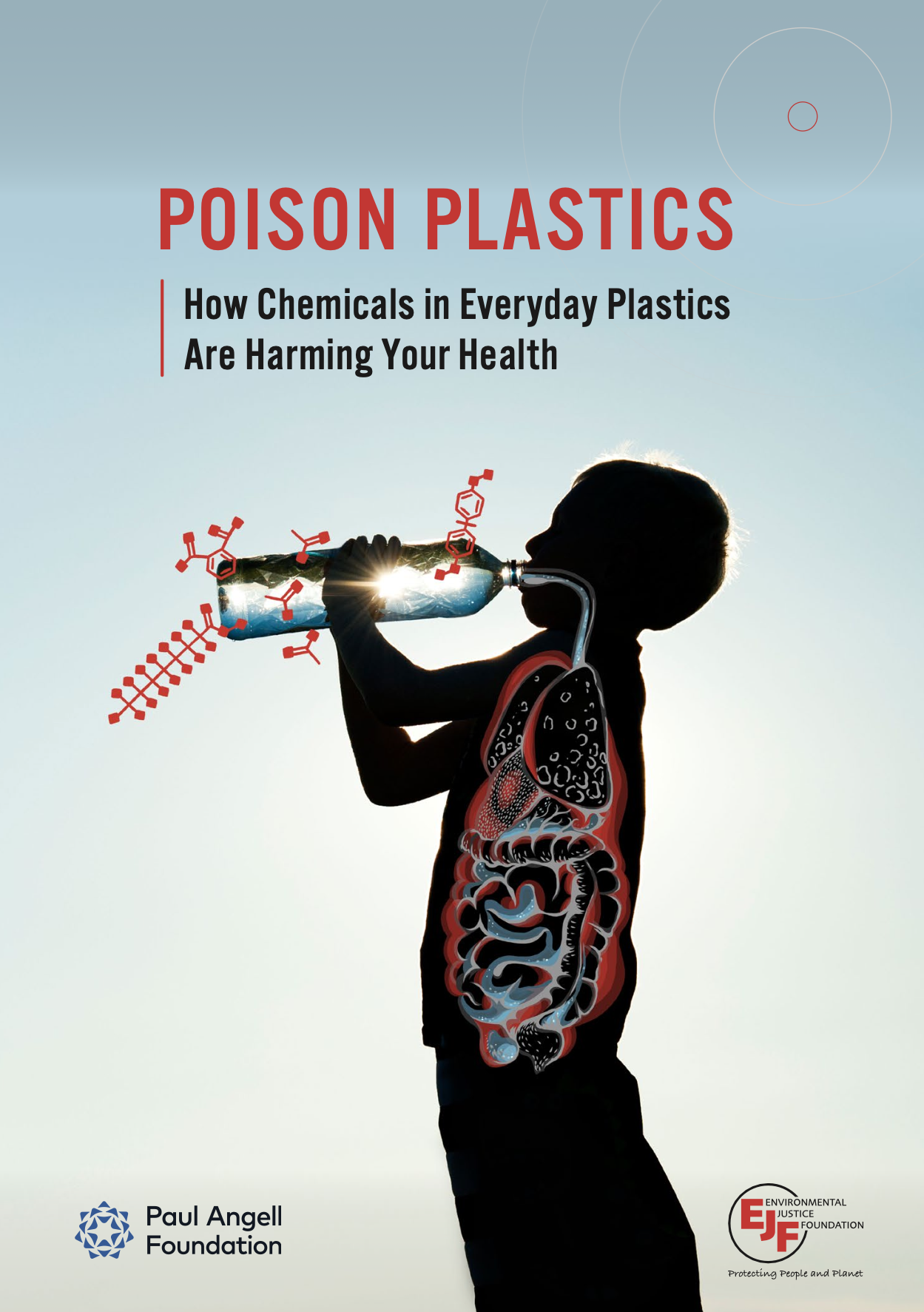
Plastics and the chemicals they contain have become deeply embedded in our lives within only a single generation. They are found in the vast majority of items we rely on every day – from food packaging and takeaway containers to clothing, furniture, hygiene products, infant feeding bottles and children’s toys.
This report shares our novel analyses of the PlastChem data to shed light on the risks presented to human health by everyday items containing plastic-associated chemicals. The findings make the case for a world where the products we use every day are safe by design; today, they are not.
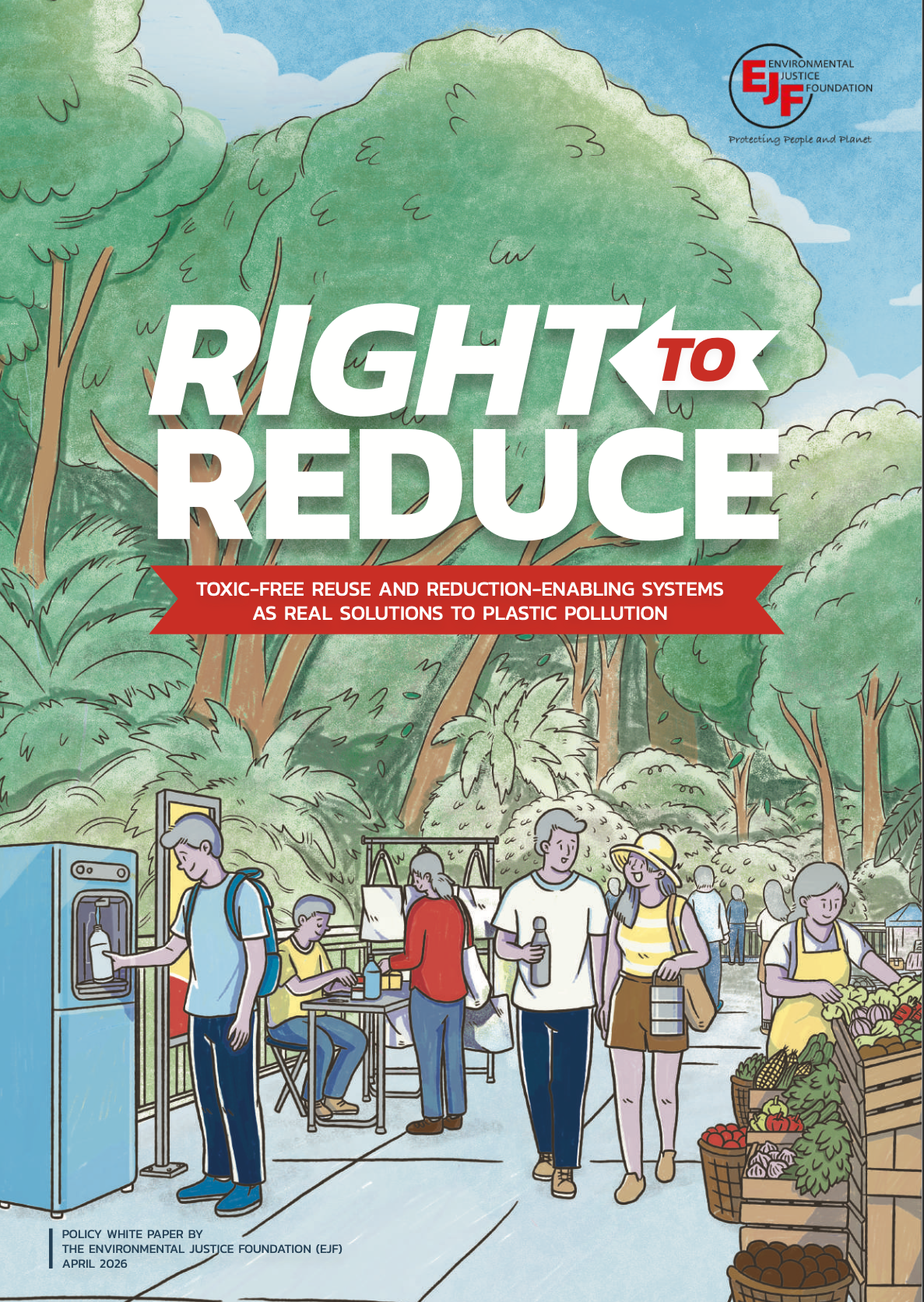
The "Right to Reduce" is a concept created by the Environmental Justice Foundation. This policy white paper asserts that the ability to reduce consumption of plastics and materials is a human right. It shows that today, individuals are systematically denied the right to reduce due to the dominance of plastics in everyday life, leaving people with little meaningful ability to avoid plastic consumption.
This right to reduce is guaranteed by establishing toxic-free reduction-enabling systems, challenging the current system of plastic overproduction and overconsumption, and rejecting false solutions.
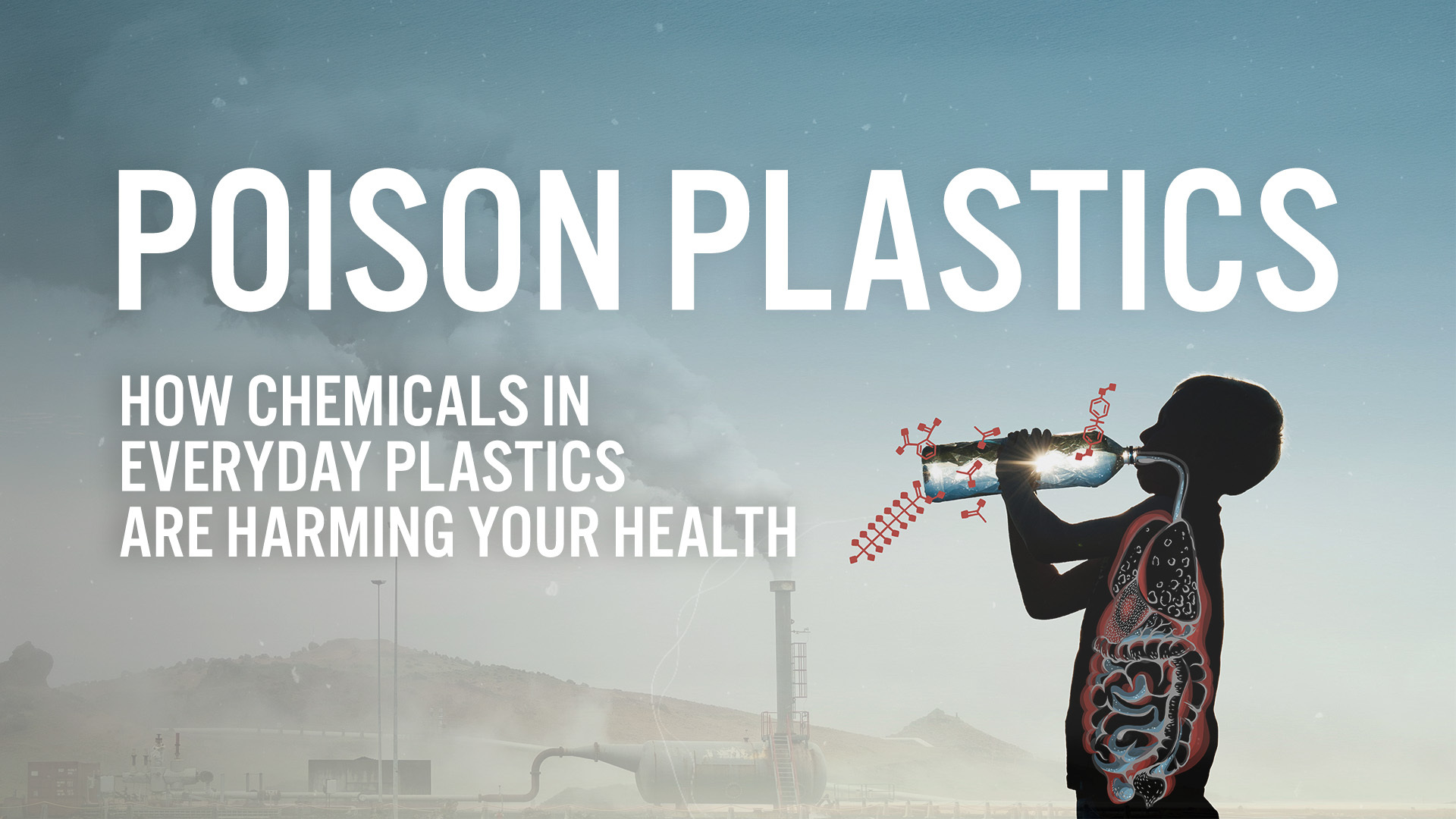
Poison Plastics: How chemicals in everyday plastics are harming your health
Every day, thousands of chemicals enter our bodies, many potentially high-risk, with almost no regulatory oversight standing in the way.
Plastics contain 16,000 known chemicals, many found in everyday products. Yet 10,000 of them lack any hazard information at all. Where data does exist, it often points to serious health risks: cancer, infertility, cardiovascular disease, and more. Alarmingly, 83% of chemicals with available toxicity and exposure data are not regulated under any major international agreement.
This film calls on governments and producers to reduce plastic production, especially single-use plastics and those with high toxicity and exposure risk; restrict or prohibit hazardous chemical groups; and ensure transparency and traceability across the full cycle of plastics.
SIGN UP FOR OUR EMAILS AND STAY UP TO DATE WITH EJF