Search results
Showing 1001-1040 result returned for ""
-
News & Media
 Dec 10, 2012Santas and Elves Run for EJFRead
 -
News & Media
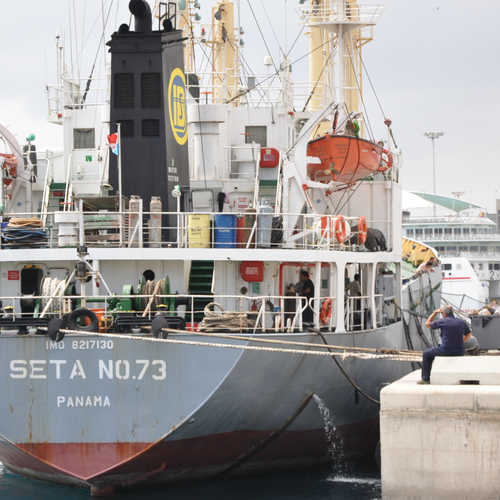 Nov 16, 2012EJF responds to the first EU warning to countries involved in pirate fishingRead
 -
News & Media
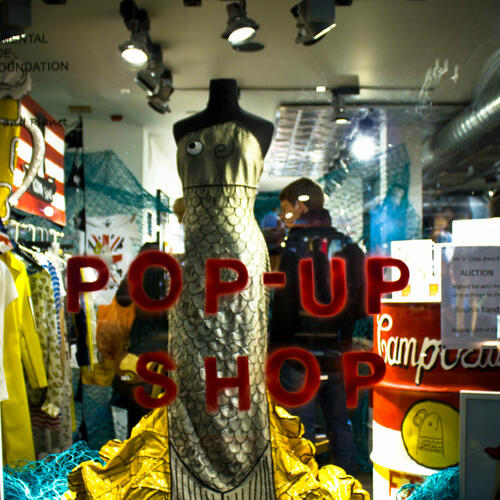 Nov 14, 2012Ethical fashion launch party at EJF’s Pop Up ShopRead
 -
Reports
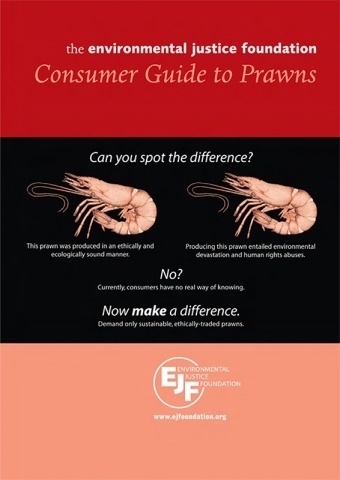
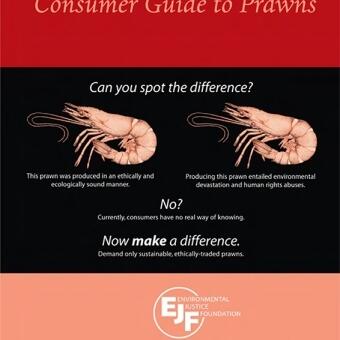 Oct 18, 2012EJF Consumer Guide to PrawnsRead
Prawn production has been linked to a number of environmental problems and human rights abuses. This guide aims to clarify the issues and help you make the right choices when buying prawns.
-
Reports
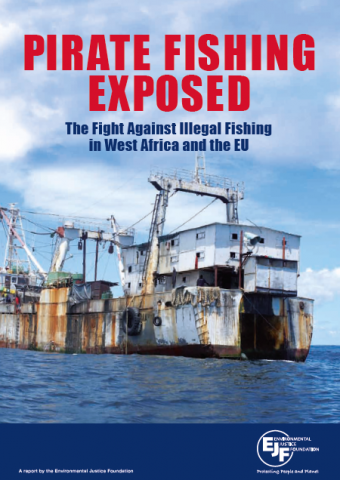
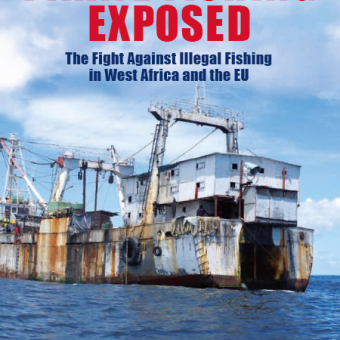 Oct 11, 2012Pirate Fishing ExposedRead
This report by EJF exposes the continued role of the European Union and East Asian countries in facilitating a market for seafood illegally caught in West Africa. Following a two-year investigation by The Environmental Justice Foundation (EJF), “Pirate Fishing Exposed: The Fight Against Illegal Fishing in West Africa and the EU” highlights how local fishing communities are fighting back to combat this illegal trade.
During the two-year surveillance investigation, EJF documented rampant pirate fishing in Sierra Leone and laundering of the illegal catch into the European seafood market by vessels accredited to export fish to the EU.
-
News & Media
 Oct 11, 2012EJF launches new report: Pirate Fishing ExposedRead
 -
News & Media
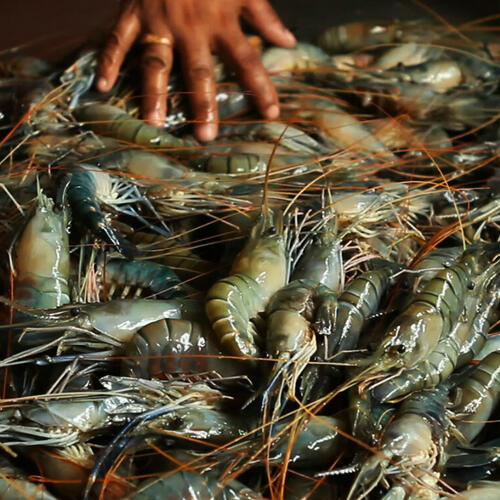 Oct 10, 2012Where does your shrimp come from?Read
 -
Films
 Oct 01, 2012Sharks & BeautyRead
Sharks & Beauty
Hay Festival 2013 - Lily Cole, Alannah Weston and Steve Trent discuss the decline of global shark populations and their use in the beauty trade and beyond.
-
News & Media
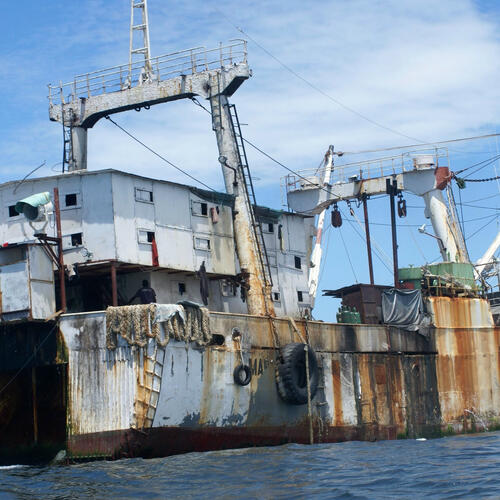 Sep 21, 2012Sierra Leone issues record fineRead
 -
News & Media
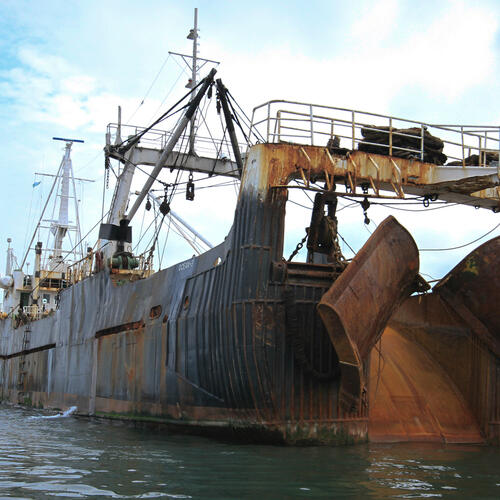 Sep 19, 2012Massive clamp-down on illegal fishing in Sierra LeoneRead
 -
Films
 Sep 18, 2012Message in a BottleRead
Message in a Bottle
What do you think should be done to Save the Sea? Visit the London Aquarium at the London Zoo and leave your message in our bottle.
-
News & Media
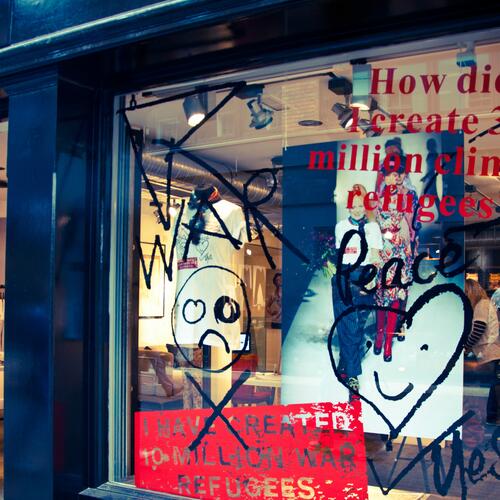 Sep 18, 2012EJF opens ‘Just’ Pop Up shop on Carnaby StreetRead
-
Films
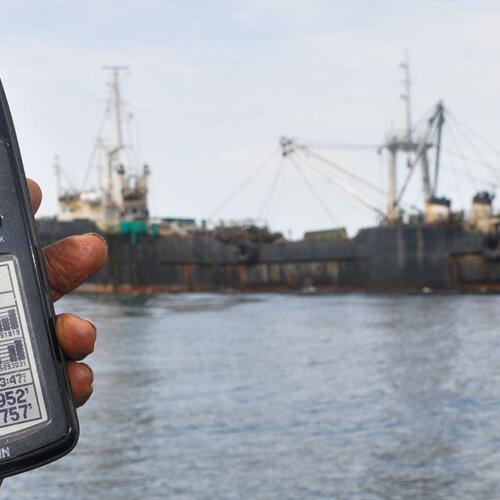 Sep 17, 2012Pirate Fishing: What's the Catch?Read
Pirate Fishing: What's the Catch?
This short film explains the impacts of illegal fishing in West Africa and beyond: depletion of fish stocks, destroying marine ecosystems, and jeopardising the livelihoods of local communities.
Illegal, Unreported and Unregulated (IUU) fishing, otherwise known as pirate fishing, depletes fish stocks, destroys the sensitive marine ecosystems, puts legitimate fishers at an unfair disadvantage and jeopardises the livelihoods of some of the world’s poorest people.
With thanks to the sound studio 4AM Productions.
-
Films
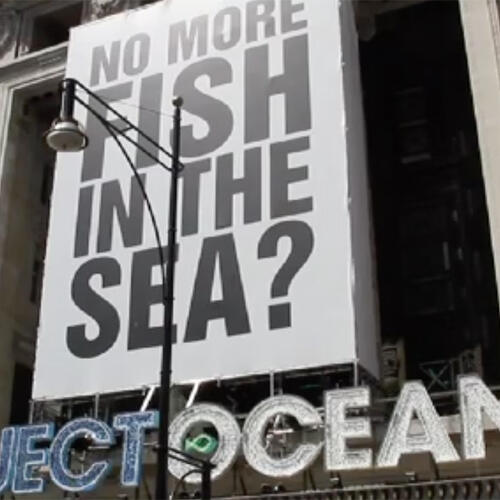 Sep 17, 2012EJF's 'What's the Catch?' at Project Ocean Selfridges 2011Read
EJF's 'What's the Catch?' at Project Ocean Selfridges 2011
EJF's 'What's the Catch?' at Project Ocean Selfridges 2011.
-
Films
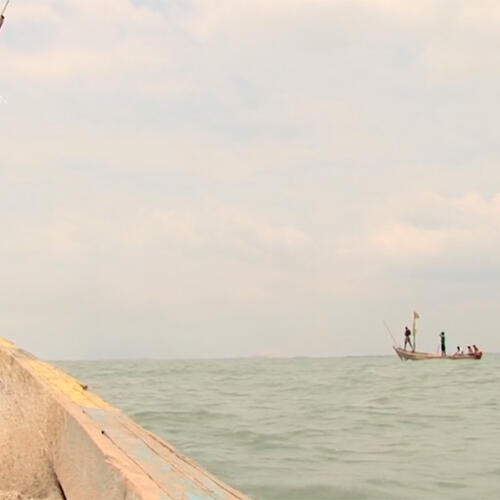 Sep 16, 2012All At SeaRead
All At Sea
An EJF film that exposes the abuse of human rights on illegal fishing vessels.
Illegal, Unreported and Unregulated (IUU) fishing, or pirate fishing, has been recognised as one of the major threats to the world's fish stocks. However, the focus so far has mostly been on the impacts on marine life and on local fishing communities. While these problems are extremely serious, there's one more that is rarely reported: human rights violations. Escaping regulatory checks on their catches, IUU vessel operators frequently get away with seriously abusing the human rights of their crews.
In this film, we look at the conditions in which people on board vessels that engage in pirate fishing live and work.
All at Sea was screened at the 13th UN Association Film Festival in 2010.
Soundtrack by Tom Strang.
With thanks to the sound studio 4AM Productions.
-
Films
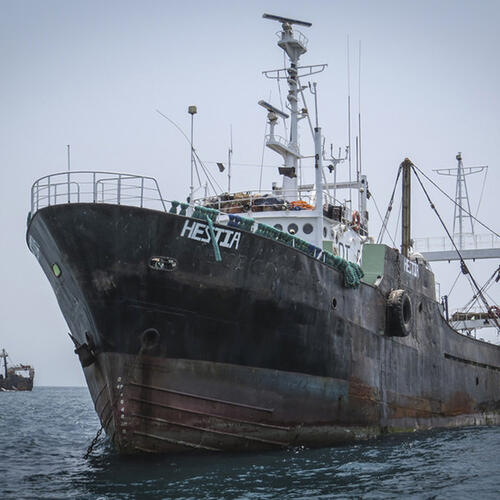 Sep 15, 2012Pair Trawling: Frontline ViewRead
Pair Trawling: Frontline View
The first video produced by EJF's Sierra Leonean staff who campaign against the lift of the ban on pair trawling, a method of fishing that severely damages marine environments.
Pair trawling - where two boats tow one massive net - is an indiscriminate fishing method, highly destructive to the ocean floor and marine life. Many endangered species, such as sea turtles and seahorses, are caught in the nets and then discarded of as by-catch. Dropped back to the sea dead or dying, they become yet another sad statistic related to pirate fishing.
After their training in camera and editing techniques, EJF staff in Sierra Leone produced their first video in June 2012. This short film on pair trawling in Sierra Leone was broadcast on national TV.

Supported by the European Union
-
Films
 Sep 12, 2012All At Sea (Short Version)Read
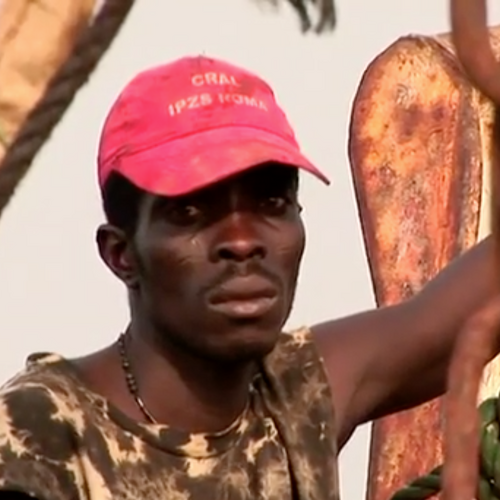
All At Sea (Short Version)
Illegal, Unreported and Unregulated (IUU) fishing, or pirate fishing, has been recognised as one of the major threats to the world's fish stocks. However, the focus so far has mostly been on the impacts on marine life and on local fishing communities. While these problems are extremely serious, there's one more that is rarely reported: human rights violations. Escaping regulatory checks on their catches, IUU vessel operators frequently get away with seriously abusing the human rights of their crews. In this film, we look at the conditions in which people on board vessels that engage in pirate fishing live and work.
All at Sea was screened at the 13th UN Association Film Festival in 2010.
Soundtrack by Tom Strang.
With thanks to the sound studio 4AM Productions.
-
Reports
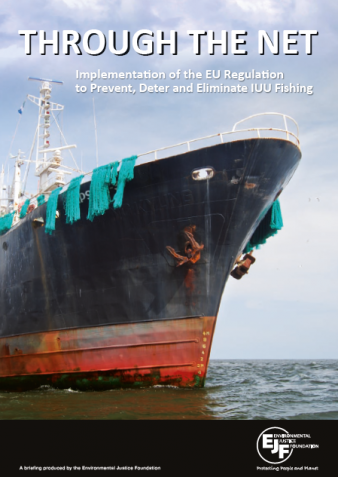
 Aug 23, 2012Briefing: Through the NetRead
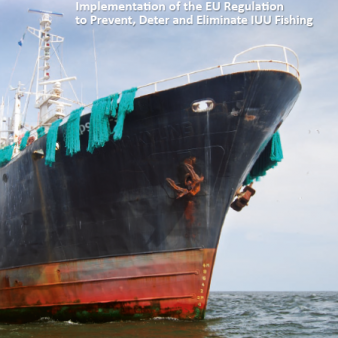
Implementation of the EU Regulation to Prevent, Deter and Eliminate IUU Fishing.
-
Reports
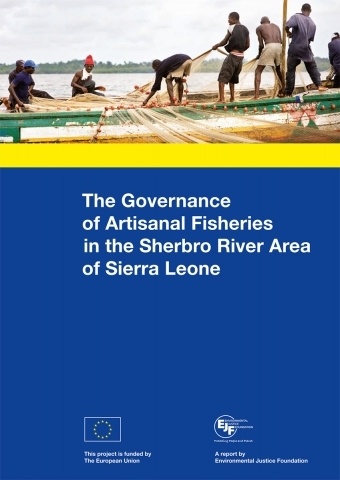
 Aug 23, 2012The Governance of Artisanal Fisheries in the Sherbro River Area of Sierra LeoneRead
http://ec.europa.eu/europeaid/index_en.htm
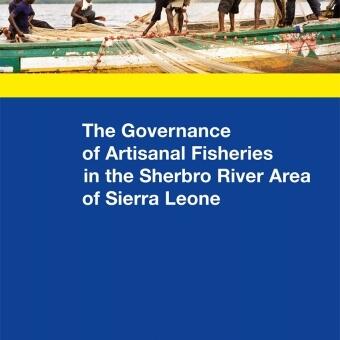
This report sets out the historic and existing governance arrangements for artisanal fishing in the Sherbro River Estuary, where fishing is vital to the livelihoods and food security of local communities.
-
News & Media
 Jul 26, 2012An historic fine for illegal fishingRead
-
News & Media
 Jul 25, 2012update from ejf's oceans teamRead
 -
News & Media
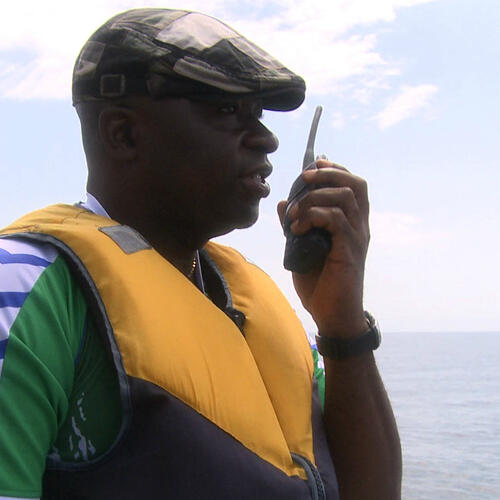 Jun 08, 2012EJF Sierra Leone Representative answers questions on pirate fishingRead
 -
News & Media
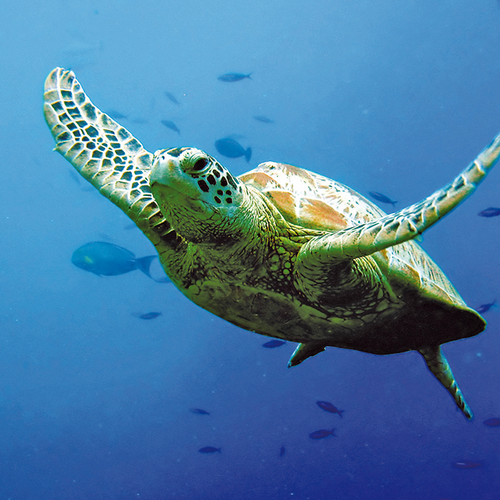 May 14, 2012Come dine with usRead
 -
Films
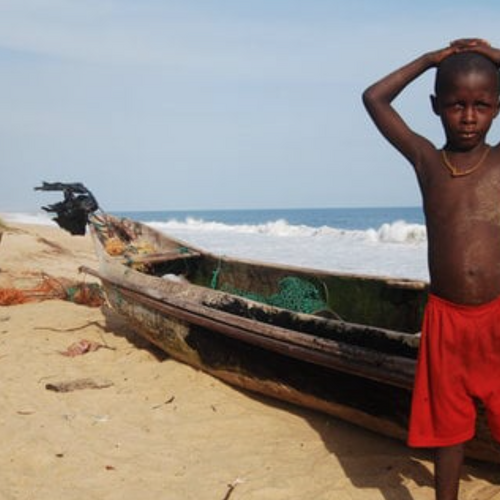 Mar 17, 2012Deadly CatchRead
Deadly Catch
Deadly Catch takes a closer look at the huge impacts illegal, unreported and unregulated (IUU) fishing, or pirate fishing, is having on communities in Sierra Leone.
-
Films
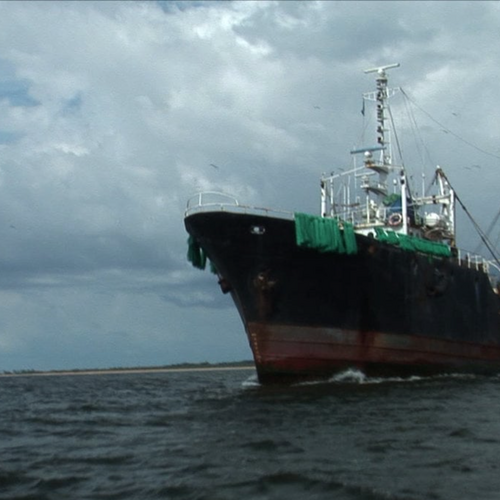 Mar 16, 2012Stolen FishRead
Stolen Fish
Stolen Fish documents the extent and impacts of illegal - or pirate - fishing off the coast of West Africa. It investigates who the pirates are and the sophisticated ways they launder their illegal catches into the European market so that the fish ends up on our plates.
-
Films
 Mar 15, 2012Cod Save The SeaRead
Cod Save The Sea
Watch EJF's new video following the launch of the new Cod Save The Sea T-shirt at London Fashion Week 2011.
The Cod Save The Sea T-shirt is part of The Rodnik Band’s Spring/Summer 2012 collection inspired by EJF’s work to end pirate fishing.
The Rodnik Band, who caused a stir at New York and London Fashion Weeks this season, created a collection of the brand's signature "art dresses", from aquatic shades of fish to chips-shaped ball gowns and submarine trench coats.
Get your Cod Save The Sea T-shirt at http://www.just-for.co.uk/.
-
News & Media
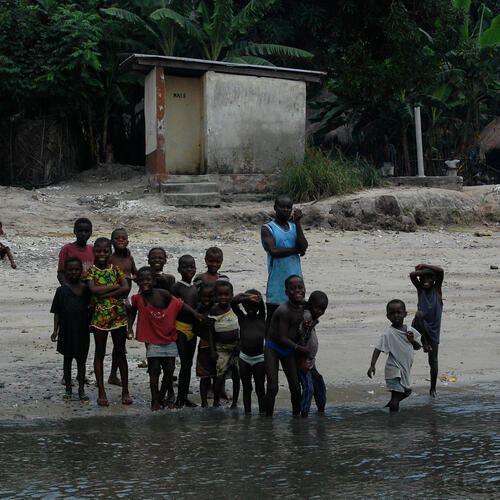 Mar 15, 2012Illegal fishing plunders and strains West AfricaRead
 -
Films
 Feb 29, 2012Plunder of the Oceans - EJF at the Frontline ClubRead
Plunder of the Oceans - EJF at the Frontline Club
(Audio only)
EJF's Ocean Campaigner Andy Hickman speaks at the Frontline Club on the 7th June. Short film screening of Deadly Catch, followed by a discussion with an expert panel and audience Q&A. Chaired by Tom Clarke, science correspondent Channel 4 News. Domitilla Senni, policy adviser to the Pew Environment Group since 2006. John Pearce is a Senior Consultant at MRAG Ltd.
One of the single biggest factors in ocean degradation is overfishing. Fish stocks have declined dramatically, with as much as 90% of big fish gone in some parts of the global ocean. More than one billion people rely on fish as their main source of protein globally. As catches decline and quotas and rules are tightened in response, there has been a huge increase in illegal, unreported or unregulated (IUU) or “pirate” fishing.
Pirate fishing is estimated to make up almost one-fifth of the global catch, and respects neither national boundaries nor international attempts to manage ocean resources. The recent seizure of £4 million worth of seafood in the Spanish port of Las Palmas, allegedly caught illegally in west African waters and headed for dinner tables in Europe, serves to highlight this growing criminal trade, which exploits lax regulations at ports and on the high seas, and often involves serious human rights infringements.
-
Films
 Feb 28, 2012Jo Royle supports EJF's Save the Sea CampaignRead
Jo Royle supports EJF's Save the Sea Campaign
Jo Royle in support of EJF's campaign Save the Sea!
-
Films
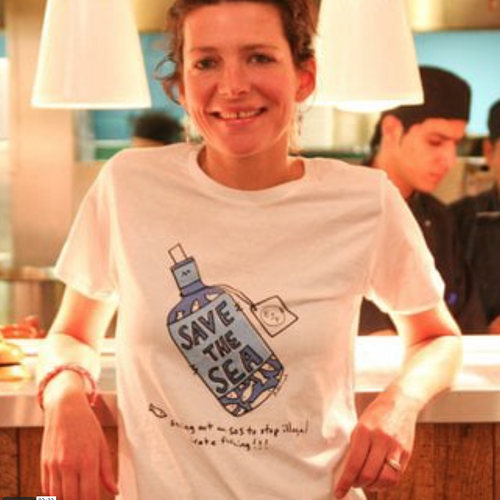 Feb 25, 2012Wahaca's Tommi Miers: Save the Sea CampaignRead
Wahaca's Tommi Miers: Save the Sea Campaign
Wahaca's Tommi Miers supports EJF's Save the Sea Campaign.
-
Films
 Feb 24, 2012EJF at the Real Food FestivalRead
EJF at the Real Food Festival
The Environmental Justice Foundation was at the Real Food Festival this year talking to the public, chefs and industry about the Save the Sea campaign and illegal fishing in West Africa.
Alongside EJF's exhibition showing the supply chain of illegal fish from West Africa making its way to Europe and the impacts on coastal fishing communities in Sierra Leone, the event was also a great opportunity for EJF volunteers and campaigners to discuss the issues and ask people why they think it's so important to Save the Sea.
-
Reports
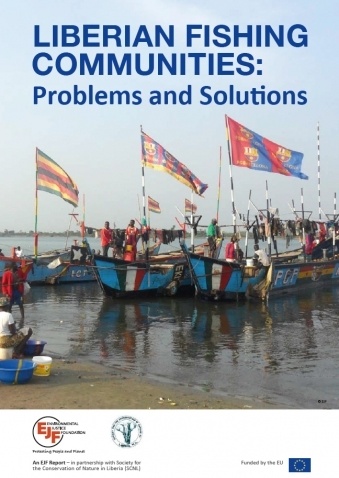
 Feb 20, 2012Liberian Fishing Communities: Problems and SolutionsRead
As a first step in community engagement, and to inform the other sets of activities in Liberia, in early 2012 EJF held meetings in 13 communities. These were spread across the country, though seven were focused in Grand Cape Mount County, which is the site of Liberia’s recently inaugurated pilot CMA.
This document sets out findings from each community. It also provides an analytical summary of results across Liberia that will inform a set of working recommendations that will guide EJF’s work with artisanal fishing communities, both in Liberia and elsewhere in West Africa.
-
News & Media
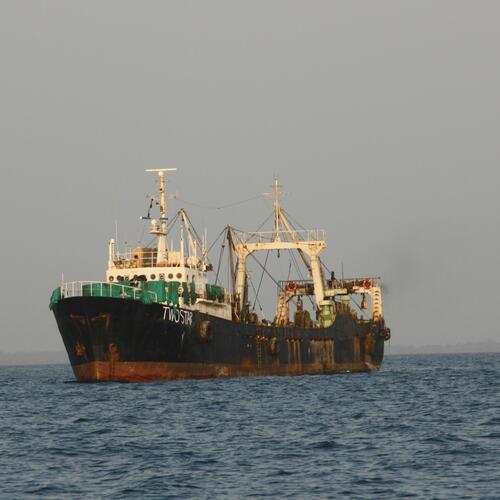 Feb 10, 2012Sierra Leone meeting signals progress towards combating pirate fishingRead
 -
Films
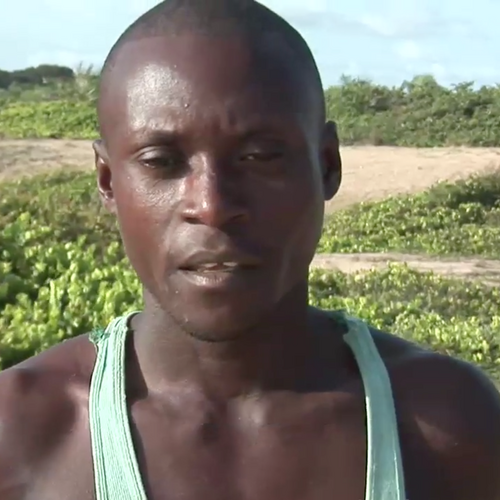 Feb 09, 2012Illegal 'pirate' fishing in Sierra Leone - Fishermen testimoniesRead
Illegal 'pirate' fishing in Sierra Leone - Fishermen testimonies
The importance of sustainable fisheries in Sierra Leone and the impacts of illegal fishing on the local communities.
Supported by the European Union
-
Films
 Feb 08, 2012David Gandy supports EJF's Save The Sea CampaignRead
David Gandy supports EJF's Save The Sea Campaign
Supermodel David Gandy teams up with the Environmental Justice Foundation (EJF) to 'Save the Sea'.
-
Films
 Feb 07, 2012Antony Worrall Thompson supports EJF's Save The Sea CampaignRead
Antony Worrall Thompson supports EJF's Save The Sea Campaign
Antony Worrall Thompson supports EJF's Save The Sea Campaign.
-
Films
 Feb 02, 2012Alistair McGowan’s impression of shrimpRead
Alistair McGowan’s impression of shrimp
Actor and impressionist Alistair McGowan talks about his support for EJF's work to highlight the devastating effects of shrimp production on wildlife and encourages consumers to buy sustainable shrimp.
-
Films
 Feb 02, 2012Ken Hom's recipe for disasterRead
Ken Hom's recipe for disaster
Chef Ken Hom describes the detrimental impacts of shrimp farming to the marine wildlife, environment, livelihoods and human rights. Together with EJF, he encourages consumers to demand sustainable, ethically-produced shrimp.
-
Films
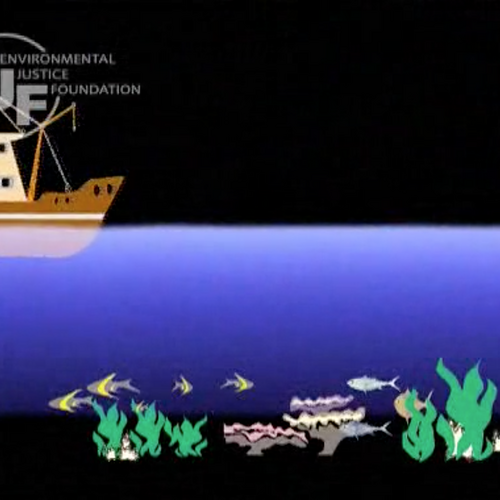 Feb 02, 2012Stop trawling - JALARead
Stop trawling - JALA
Industrial bottom trawling is one of the most destructive forms of fishing in the world, which both destroys seabed habitats and results in huge levels of bycatch.
In North Sumatra, Indonesia, EJF has worked with partner JALA to expose how local fishing communities are the ones who suffer when fish stocks crash.
-
Films
 Feb 02, 2012EJF's boat in Sierra LeoneRead
EJF's boat in Sierra Leone
EJF delivers the boat to the communities of Sherbro Island, Sierra Leone. It will be used to help combat pirate fishing but also as a water ambulance.