Reducing plastic production in a post-1.5°C world: A test of resolve for the international community
As the world in on track to overshoot the Paris Agreement target of keeping global warming under 1.5°C, this briefing urges governments to take action to reduce global plastic production. Plastic is one of the most carbon-intensive industries, with annual emissions exceeding 2 billion tonnes of CO₂. Yet fossil fuel and petrochemical companies, faced with an imminent decline in global oil demand, are doubling down on plastics. The plastics treaty is a test of resolve for the international community: governments must deliver a robust treaty with legally binding, measurable, and time-bound targets to reduce plastic production and consumption.
As the world in on track to overshoot the Paris Agreement target of keeping global warming under 1.5°C, this briefing urges governments to take action to reduce global plastic production. Plastic is one of the most carbon-intensive industries, with annual emissions exceeding 2 billion tonnes of CO₂. Yet fossil fuel and petrochemical companies, faced with an imminent decline in global oil demand, are doubling down on plastics. The plastics treaty is a test of resolve for the international community: governments must deliver a robust treaty with legally binding, measurable, and time-bound targets to reduce plastic production and consumption.
As the world in on track to overshoot the Paris Agreement target of keeping global warming under 1.5°C, this briefing urges governments to take action to reduce global plastic production. Plastic is one of the most carbon-intensive industries, with annual emissions exceeding 2 billion tonnes of CO₂. Yet fossil fuel and petrochemical companies, faced with an imminent decline in global oil demand, are doubling down on plastics. The plastics treaty is a test of resolve for the international community: governments must deliver a robust treaty with legally binding, measurable, and time-bound targets to reduce plastic production and consumption.
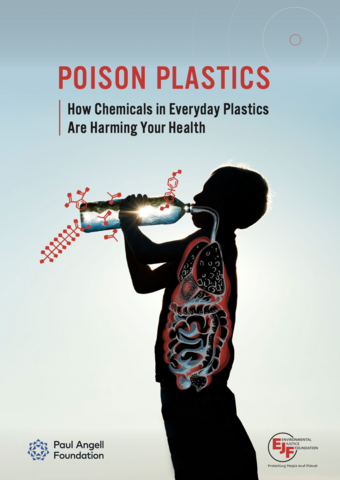
Poison Plastics: How chemicals in everyday plastics are harming your health
Plastics and the chemicals they contain have become deeply embedded in our lives within only a single generation. They are found in the vast majority of items we rely on every day – from food packaging and takeaway containers to clothing, furniture, hygiene products, infant feeding bottles and children’s toys. This report shares our novel analyses of the PlastChem data to shed light on the risks presented to human health by everyday items containing plastic-associated chemicals. The findings make the case for a world where the products we use every day are safe by design; today, they are not.
Plastics and the chemicals they contain have become deeply embedded in our lives within only a single generation. They are found in the vast majority of items we rely on every day – from food packaging and takeaway containers to clothing, furniture, hygiene products, infant feeding bottles and children’s toys.
This report shares our novel analyses of the PlastChem data to shed light on the risks presented to human health by everyday items containing plastic-associated chemicals. The findings make the case for a world where the products we use every day are safe by design; today, they are not.
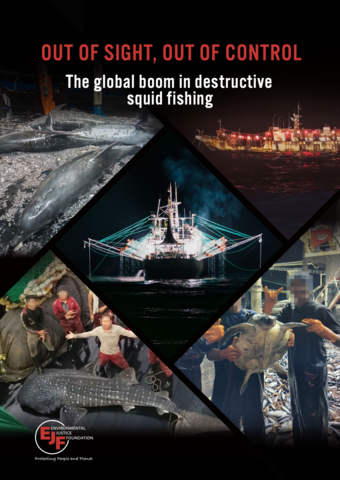
OUT OF SIGHT, OUT OF CONTROL: The global boom in destructive squid fishing
The Environmental Justice Foundation's new global report exposes what happens aboard distant-water squid vessels operating beyond any oversight, forced labour, physical violence, and deaths at sea across fisheries that supply 60% of the world's squid. The European Union is the world's largest squid importer. What happens out of sight has consequences here.
The Environmental Justice Foundation's new global report exposes what happens aboard distant-water squid vessels operating beyond any oversight, forced labour, physical violence, and deaths at sea across fisheries that supply 60% of the world's squid.
The European Union is the world's largest squid importer. What happens out of sight has consequences here.
Our Living Seas - Carta abierta a Ursula von der Leyen: La UE debe convertir sus ambiciones en materia de océanos en acciones concretas y apoyar a quienes protegen el mar: Carta abierta a la presidenta de la Comisión Europea, Ursula von der Leyen, firmada por científicos, pescadores, acuicultores y organizaciones de toda Europa, con un único llamamiento: proteger a quienes protegen el mar. Insta a la UE a situar la salud del océano y a las comunidades costeras en el centro de la Ocean Act, del próximo presupuesto a largo plazo y de la Política Pesquera Común.
Carta abierta a la presidenta de la Comisión Europea, Ursula von der Leyen, firmada por científicos, pescadores, acuicultores y organizaciones de toda Europa, con un único llamamiento: proteger a quienes protegen el mar. Insta a la UE a situar la salud del océano y a las comunidades costeras en el centro de la Ocean Act, del próximo presupuesto a largo plazo y de la Política Pesquera Común.
Our Living Seas - Lettre Ouverte à Ursula von der Leyen : L’UE doit concrétiser ses ambitions en matière d’océans et protéger ceux qui protègent la mer: Lettre ouverte à la présidente de la Commission européenne Ursula von der Leyen, signée par des scientifiques, des pêcheurs, des aquaculteurs et des organisations de toute l'Europe, avec un seul appel : protéger celles et ceux qui protègent la mer. Elle exhorte l'UE à placer la santé de l'océan et les communautés côtières au cœur de l'Ocean Act, du prochain budget à long terme et de la politique commune de la pêche.
Lettre ouverte à la présidente de la Commission européenne Ursula von der Leyen, signée par des scientifiques, des pêcheurs, des aquaculteurs et des organisations de toute l'Europe, avec un seul appel : protéger celles et ceux qui protègent la mer. Elle exhorte l'UE à placer la santé de l'océan et les communautés côtières au cœur de l'Ocean Act, du prochain budget à long terme et de la politique commune de la pêche.
Our Living Seas - Open letter to Ursula von der Leyen: The EU must turn its ocean ambitions into action, and protect those who protect the sea: Open letter to European Commission President Ursula von der Leyen from scientists, fishers, sea farmers and organisations across Europe, with one call: protect the people who protect the sea. It urges the EU to put ocean health and coastal communities at the heart of the Ocean Act, the next long-term budget and the Common Fisheries Policy.
Open letter to European Commission President Ursula von der Leyen from scientists, fishers, sea farmers and organisations across Europe, with one call: protect the people who protect the sea. It urges the EU to put ocean health and coastal communities at the heart of the Ocean Act, the next long-term budget and the Common Fisheries Policy.
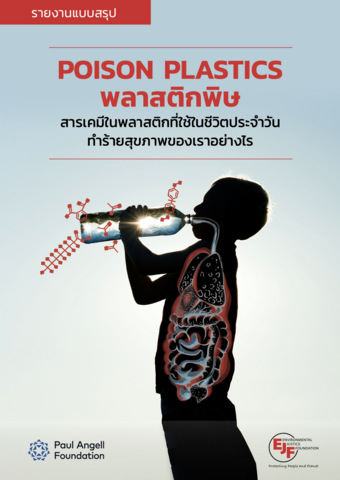
พลาสติกพิษ (รายงานแบบสรุป) สารเคมีในพลาสติกที่ใช้ในชีวิตประจำวันทำร้ายสุขภาพของเราอย่างไร: พลาสติกแทรกซึมอยู่ในทุกด้านของชีวิตสมัยใหม่ แต่เราต้องแลกด้วยต้นทุนแฝงมหาศาล พลาสติกไม่ใช่เพียงปัญหาสิ่งแวดล้อม แต่ยังเป็นภัยคุกคามโดยตรงต่อสุขภาพมนุษย์ที่ทวีความรุนแรงขึ้น ในรายงาน "พิษพลาสติก" EJF สรุปข้อมูลวิทยาศาสตร์ที่มีอยู่เกี่ยวกับระดับอันตรายของกลุ่มสารเคมีในพลาสติกที่ควรให้ความสำคัญ โดยพิจารณาศักยภาพในการก่อผลเสียต่อสุขภาพ ระดับอันตราย เพื่อสะท้อนให้เห็นถึงความจำเป็นในการลดการผลิตและบริโภคพลาสติก และเปลี่ยนผ่านสู่ระบบใช้ซ้ำและระบบที่เอื้อต่อการลดที่ปลอดสารพิษ
พลาสติกแทรกซึมอยู่ในทุกด้านของชีวิตสมัยใหม่ แต่เราต้องแลกด้วยต้นทุนแฝงมหาศาล พลาสติกไม่ใช่เพียงปัญหาสิ่งแวดล้อม แต่ยังเป็นภัยคุกคามโดยตรงต่อสุขภาพมนุษย์ที่ทวีความรุนแรงขึ้น ในรายงาน "พิษพลาสติก" EJF สรุปข้อมูลวิทยาศาสตร์ที่มีอยู่เกี่ยวกับระดับอันตรายของกลุ่มสารเคมีในพลาสติกที่ควรให้ความสำคัญ โดยพิจารณาศักยภาพในการก่อผลเสียต่อสุขภาพ ระดับอันตราย เพื่อสะท้อนให้เห็นถึงความจำเป็นในการลดการผลิตและบริโภคพลาสติก และเปลี่ยนผ่านสู่ระบบใช้ซ้ำและระบบที่เอื้อต่อการลดที่ปลอดสารพิษ
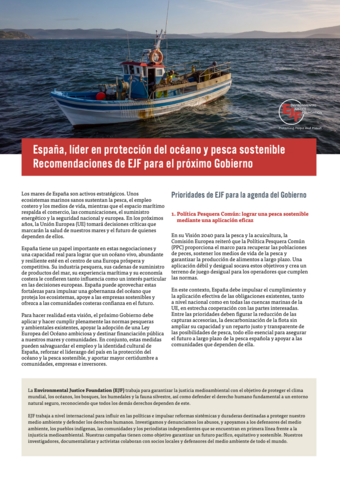
España, líder en protección del océano y pesca sostenible: Recomendaciones de EJF para el próximo Gobierno: Los mares de España son activos estratégicos. Unos ecosistemas marinos sanos sustentan la pesca, el empleo costero y los medios de vida, mientras que el espacio marítimo respalda el comercio, las comunicaciones, el suministro energético y la seguridad nacional y europea. El próximo Gobierno tiene ante sí una importante oportunidad para proteger los mares de España y reforzar el futuro de su sector pesquero y de las comunidades costeras. En este documento, la Environmental Justice Foundation (EJF) establece cinco prioridades para el próximo Gobierno: la aplicación efectiva de la Política Pesquera Común; el apoyo a una Ley Europea del Océano ambiciosa; el refuerzo del control pesquero; una pesca responsable más allá de las aguas de la UE; y financiación pública para la protección de los océanos y la resiliencia de las comunidades costeras. Al actuar en consonancia con estas prioridades, España puede reforzar su liderazgo en la protección de los océanos y la pesca sostenible, al tiempo que garantiza unos mares más saludables y unas economías costeras más resilientes.
Los mares de España son activos estratégicos. Unos ecosistemas marinos sanos sustentan la pesca, el empleo costero y los medios de vida, mientras que el espacio marítimo respalda el comercio, las comunicaciones, el suministro energético y la seguridad nacional y europea. El próximo Gobierno tiene ante sí una importante oportunidad para proteger los mares de España y reforzar el futuro de su sector pesquero y de las comunidades costeras.
En este documento, la Environmental Justice Foundation (EJF) establece cinco prioridades para el próximo Gobierno: la aplicación efectiva de la Política Pesquera Común; el apoyo a una Ley Europea del Océano ambiciosa; el refuerzo del control pesquero; una pesca responsable más allá de las aguas de la UE; y financiación pública para la protección de los océanos y la resiliencia de las comunidades costeras.
Al actuar en consonancia con estas prioridades, España puede reforzar su liderazgo en la protección de los océanos y la pesca sostenible, al tiempo que garantiza unos mares más saludables y unas economías costeras más resilientes.
Der Europäische Rechtsakt Für Die Meere: Europas maritime Zukunft sichern: Die zukünftige Sicherheit, Wettbewerbsfähigkeit und Widerstandsfähigkeit Europas werden sich auf See entscheiden. Das „Europäische Meeresgesetz “ (European Ocean Act) bietet eine einmalige Gelegenheit, den gemeinsamen operativen Rahmen zu schaffen, der Europa derzeit fehlt: transparente Information und Entscheidungsfindung, vorhersehbare Regeln, koordinierte Planung und messbare Rechenschaftspflicht – über die verschiedenen maritimen Sektoren hinweg und grenzüberschreitend. Dieses Positionspapier legt zwei strategische Erfordernisse für dieses Ozeangesetz dar.
Die zukünftige Sicherheit, Wettbewerbsfähigkeit und Widerstandsfähigkeit Europas werden sich auf See entscheiden. Das „Europäische Meeresgesetz “ (European Ocean Act) bietet eine einmalige Gelegenheit, den gemeinsamen operativen Rahmen zu schaffen, der Europa derzeit fehlt: transparente Information und Entscheidungsfindung, vorhersehbare Regeln, koordinierte Planung und messbare Rechenschaftspflicht – über die verschiedenen maritimen Sektoren hinweg und grenzüberschreitend. Dieses Positionspapier legt zwei strategische Erfordernisse für dieses Ozeangesetz dar.
La Ley Europea del Océano: Garantizando el futuro marítimo de Europa: La seguridad, la competitividad y la resiliencia futuras de Europa se decidirán en el mar. La «Ley Europea de los Océanos » (European Ocean Act) constituye una oportunidad única para establecer el marco operativo común del que carece actualmente Europa: información y toma de decisiones transparentes, normas previsibles, planificación coordinada y responsabilidad cuantificable, en los distintos sectores marítimos y más allá de las fronteras. Esta nota orientativa expone dos imperativos estratégicos para esta Ley de los Océanos.
La seguridad, la competitividad y la resiliencia futuras de Europa se decidirán en el mar. La «Ley Europea de los Océanos » (European Ocean Act) constituye una oportunidad única para establecer el marco operativo común del que carece actualmente Europa: información y toma de decisiones transparentes, normas previsibles, planificación coordinada y responsabilidad cuantificable, en los distintos sectores marítimos y más allá de las fronteras. Esta nota orientativa expone dos imperativos estratégicos para esta Ley de los Océanos.
La Loi Europeénne sur les Océans: Assurer l’avenir maritime de l’Europe: La sécurité, la compétitivité et la résilience futures de l’Europe se joueront en mer. La « Loi européenne sur les océans » (European Ocean Act) constitue une occasion unique de mettre en place le cadre opérationnel commun qui fait actuellement défaut à l’Europe : une information et une prise de décision transparentes, des règles prévisibles, une planification coordonnée et une responsabilité mesurable, à travers les différents secteurs maritimes et au-delà des frontières. Cette note d’orientation expose deux impératifs stratégiques pour cette Loi sur les océans.
La sécurité, la compétitivité et la résilience futures de l’Europe se joueront en mer. La « Loi européenne sur les océans » (European Ocean Act) constitue une occasion unique de mettre en place le cadre opérationnel commun qui fait actuellement défaut à l’Europe : une information et une prise de décision transparentes, des règles prévisibles, une planification coordonnée et une responsabilité mesurable, à travers les différents secteurs maritimes et au-delà des frontières. Cette note d’orientation expose deux impératifs stratégiques pour cette Loi sur les océans.
「水產供應鏈追蹤追溯與透明度專案」專案成 果與產業建議報告書: 豐群水產、英國環境正義基金會與台灣動物社會研究會歷時兩年合作,完成對豐群水產漁獲追蹤追溯系統的差距分析,並提出具體改善建議,企業執行改善計畫,是推動供應鏈追蹤追溯機制更加完整及透明化的重要里程碑。台灣動物社會研究會以及環境正義基金會表示,唯有透過企業端追溯管理、政府透明治理及國際標準接軌三者同步推進,方能逐步實現「從漁撈到餐盤」(Hook to Plate) 海產供應鏈全面透明之目標。
The European Ocean Act: Securing Europe’s Ocean Future: Europe’s future security, competitiveness and resilience will be decided at sea. The European Ocean Act is a unique opportunity to establish the common operating framework Europe currently lacks: transparent information and decision-making, predictable rules, coordinated planning and measurable accountability across maritime sectors and borders. This policy briefing lays out two strategic imperatives for the Ocean Act.
Europe’s future security, competitiveness and resilience will be decided at sea. The European Ocean Act is a unique opportunity to establish the common operating framework Europe currently lacks: transparent information and decision-making, predictable rules, coordinated planning and measurable accountability across maritime sectors and borders. This policy briefing lays out two strategic imperatives for the Ocean Act.
You can also read the French version here and the Spanish version here.
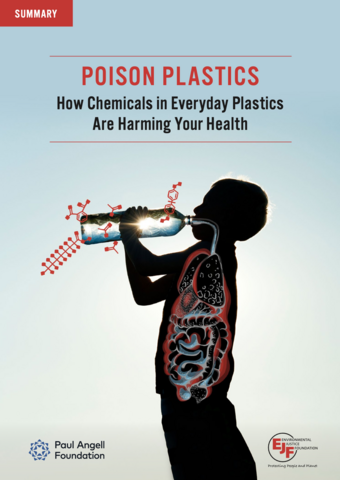
Poison Plastics: How chemicals in everyday plastics are harming your health - Report Summary: Plastics and the chemicals they contain have become deeply embedded in our lives within only a single generation. They are found in the vast majority of items we rely on every day – from food packaging and takeaway containers to clothing, furniture, hygiene products, infant feeding bottles and children’s toys. This summary of our full report shares our novel analyses of the PlastChem data to shed light on the risks presented to human health by everyday items containing plastic-associated chemicals. The findings make the case for a world where the products we use every day are safe by design; today, they are not.
Plastics and the chemicals they contain have become deeply embedded in our lives within only a single generation. They are found in the vast majority of items we rely on every day – from food packaging and takeaway containers to clothing, furniture, hygiene products, infant feeding bottles and children’s toys.
This summary of our full report shares our novel analyses of the PlastChem data to shed light on the risks presented to human health by everyday items containing plastic-associated chemicals. The findings make the case for a world where the products we use every day are safe by design; today, they are not.
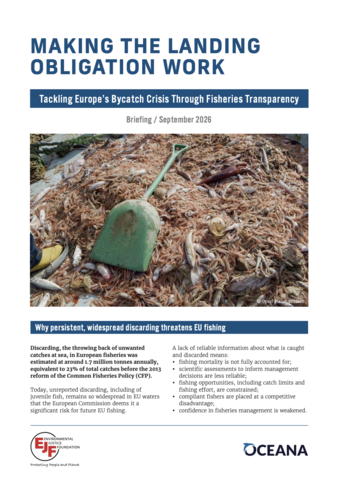
Making the Landing Obligation Work: Tackling Europe’s Bycatch Crisis Through Fisheries Transparency - Summary: The EU’s Landing Obligation (LO) is intended to reduce waste, encourage selective fishing and improve the catch information used to manage populations. For catches within the LO scope, fishers must retain, record and land catches, including bycatch, and count them against quota where applicable, subject to defined exemptions. More than a decade after the obligation was phased in, and seven years after it became fully applicable, these objectives have not been achieved. This is a summary of the longer briefing from EJF and Oceana, which provides a roadmap for ensuring the EU Landing Obligation’s full implementation.
The EU’s Landing Obligation (LO) is intended to reduce waste, encourage selective fishing and improve the catch information used to manage populations. For catches within the LO scope, fishers must retain, record and land catches, including bycatch, and count them against quota where applicable, subject to defined exemptions. More than a decade after the obligation was phased in, and seven years after it became fully applicable, these objectives have not been achieved.
This is a summary of the the longer briefing from EJF and Oceana, which provides a roadmap for ensuring the EU Landing Obligation’s full implementation.