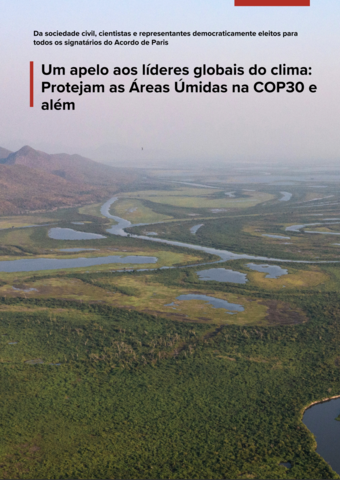
Um apelo aos líderes globais do clima: Protejam as Áreas Úmidas na COP30 e além: Nós, organizações da sociedade civil e os cientistas abaixo assinados, apelamos para que as àreas úmidas sejam prioridade na agenda climática global da COP30 e que ações urgentes sejam tomadas para sua conservação, garantindo a preservação desses ecossistemas essenciais para a manutenção do clima e da vida no planeta.
As organizações da sociedade civil e os cientistas instam respeitosamente os líderes climáticos a colocarem as zonas úmidas na vanguarda da agenda climática global na COP30 e a tomarem medidas urgentes para conservar e proteger esses ecossistemas, vitais para toda a vida na Terra.
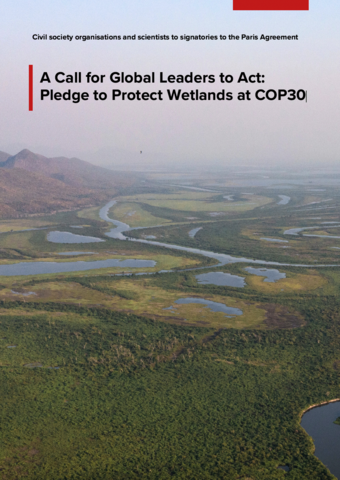
A Call for Global Leaders to Act: Pledge to Protect Wetlands at COP30: Civil society organisations and scientists respectfully urge climate leaders to place wetlands at the forefront of the global climate agenda at COP30 and take urgent steps to conserve and protect these ecosystems, vital to all life on Earth.
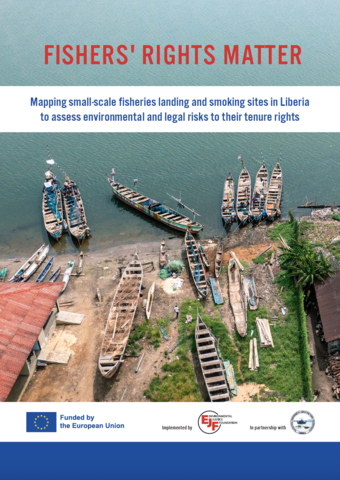
Fishers' rights matter: Mapping small-scale fisheries landing and smoking sites in Liberia to assess environmental and legal risks to their tenure rights: Liberia’s small-scale fisheries are the backbone of coastal livelihoods, but they face mounting threats from coastal erosion, mangrove destruction, and insecure land rights. Fishing communities’ rights are at risk without urgent action.
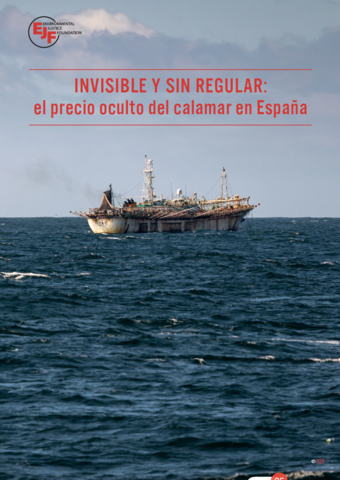
Invisible y sin regular: el precio oculto del calamar en España: España es un mercado clave para el calamar capturado por flotas extranjeras en la Milla 201, impulsando inadvertidamente prácticas no sostenibles e ilegales y socavando a los productores nacionales que deben cumplir con normas medioambientales y laborales más estrictas.
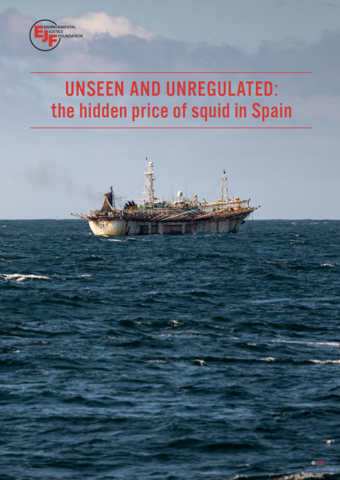
Unseen and unregulated: the hidden price of squid in Spain: Spain is a key market for squid harvested by foreign fleets in the unregulated Southwest Atlantic squid fishery, inadvertently driving unsustainable and illegal practices and undercutting domestic producers who must comply with stricter environmental and labour standards.
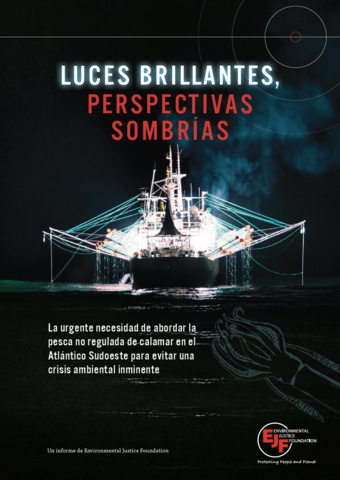
Luces brillantes, perspectivas sombrías: La urgente necesidad de abordar la pesca no regulada de calamar en el Atlántico Sudoeste para evitar una crisis ambiental inminente: Este informe expone los hallazgos de una investigación llevada a cabo por el EJF en relación con la pesquería de calamar argentino, también denominado pota argentina, calamar illex o calamar pota,6 en el Atlántico Sudoeste, una de las mayores pesquerías de calamar no reguladas a nivel mundial.
Este informe expone los hallazgos de una investigación llevada a cabo por el EJF en relación con la pesquería de calamar argentino, también denominado pota argentina, calamar illex o calamar pota,6 en el Atlántico Sudoeste, una de las mayores pesquerías de calamar no reguladas a nivel mundial.

Bright lights, dim prospects: The urgent need to address unregulated squid fishing in the Southwest Atlantic to avert a looming environmental crisis: Hundreds of distant-water vessels are plundering squid populations in the Southwest Atlantic, driving a keystone species towards collapse and exposing workers to horrific abuses.
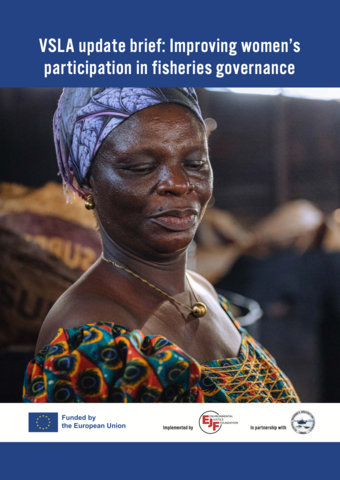
VSLA update brief: Improving women’s participation in fisheries governance: This brief updates EJF’s report Levelling The Playing Field: Assessing the impact of Village Savings and Loans Associations (VSLAs) in Liberia’s coastal communities, which was published in 2024. The report assessed the impact of VSLAs on increasing women's participation in small-scale fisheries (SSF) decision- making processes and evaluated the effectiveness of VSLAs as a tool for empowering members of fishing communities.
This brief updates EJF’s report Levelling The Playing Field: Assessing the impact of Village Savings and Loans Associations (VSLAs) in Liberia’s coastal communities, which was published in 2024. The report assessed the impact of VSLAs on increasing women's participation in small-scale fisheries (SSF) decision- making processes and evaluated the effectiveness of VSLAs as a tool for empowering members of fishing communities.
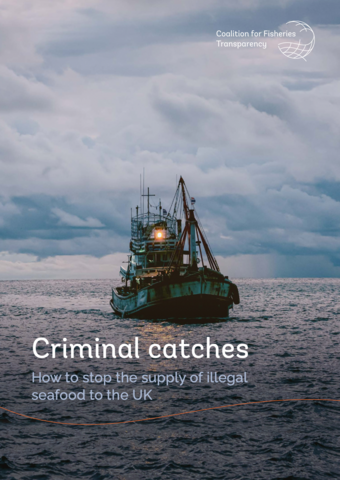
Criminal catches: How to stop the supply of illegal seafood to the UK: This report from Coalition for Fisheries Transparency members EJF and Open Seas finds that UK consumers may unknowingly be buying seafood linked to illegal, unreported and unregulated (IUU) fishing and severe human rights abuses. This follows a near-total end to checks on imported seafood after Brexit.
This report from Coalition for Fisheries Transparency members EJF and Open Seas finds that UK consumers may unknowingly be buying seafood linked to illegal, unreported and unregulated (IUU) fishing and severe human rights abuses, following a near-total end to checks on imported seafood after Brexit.
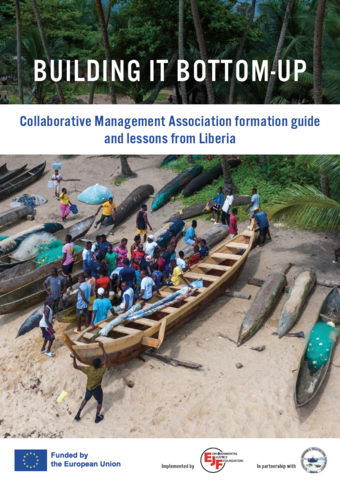
Building it bottom-up: Collaborative Management Association formation guide and lessons from Liberia : Collaborative Management Associations (CMAs) are transforming fisheries governance, empowering coastal communities to safeguard the marine resources they depend on. The publication draws on the experience of the EU-funded Communities for Fisheries project, which ran from December 2019 to July 2025, implemented by EJF in partnership with the Liberia National Fisheries and Aquaculture Authority (NaFAA).
Collaborative Management Associations (CMAs) are transforming fisheries governance, empowering coastal communities to safeguard the marine resources they depend on. The publication draws on the experience of the EU-funded Communities for Fisheries project, which ran from December 2019 to July 2025, implemented by EJF in partnership with the Liberia National Fisheries and Aquaculture Authority (NaFAA).
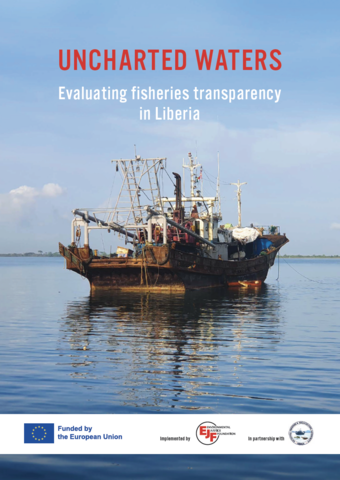
Uncharted waters: evaluating fisheries transparency in Liberia: This report evaluates Liberia’s progress in implementing the ten principles of the Global Charter for Fisheries Transparency, a set of low- or no-cost steps to ensure sustainable, legal and ethical fisheries.
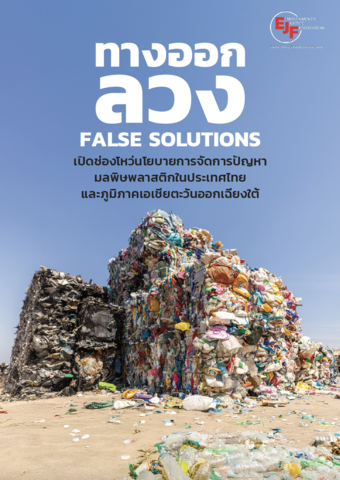
ทางออกลวง: เปิดช่องโหว่นโยบายการจัดการปัญหามลพิษพลาสติกในประเทศไทยและภูมิภาคเอเชียตะวันออกเฉียงใต้: มลพิษพลาสติกส่งผลกระทบต่อสิ่งแวดล้อมและสุขภาพมนุษย์ในประเทศไทยและภูมิภาคเอเชียตะวันออกเฉียงใต้อย่างกว้างขวาง ปัจจุบันความพยายามของรัฐบาลและหน่วยงานระดับภูมิภาคในการแก้ไขปัญหายังไม่ประสบความสำเร็จ รายงานฉบับนี้ใช้แนวคิด "ทางออกลวง" (false solutions) เพื่อสะท้อนความบกพร่องเชิงนโยบายในการแก้ไขปัญหาดังกล่าว
Plastic pollution has widespread environmental and human health impacts in Thailand and the Southeast Asian region, and efforts by governments and regional agencies to address the issue have not been successful. This report uses the concept of “false solutions” to highlight policy shortcomings in addressing the issue.