Protecting Our People
People and Planet
Latest from EJF
-
Press
![The chemicals in everyday plastics are harming our health and almost none are regulated, new report and film reveal]() Sep 30, 2026The chemicals in everyday plastics are harming our health and almost none are regulated, new report and film revealRead
Sep 30, 2026The chemicals in everyday plastics are harming our health and almost none are regulated, new report and film revealRead -
Long read
![A poisoned world: The hidden dangers of chemicals in everyday plastics]() Sep 30, 2026A poisoned world: The hidden dangers of chemicals in everyday plasticsRead
Sep 30, 2026A poisoned world: The hidden dangers of chemicals in everyday plasticsRead -
Press
![Going against the evidence, the European Parliament has voted to revise the Common Fisheries Policy: Press comment]() Sep 17, 2026Going against the evidence, the European Parliament has voted to revise the Common Fisheries Policy: Press commentRead
Sep 17, 2026Going against the evidence, the European Parliament has voted to revise the Common Fisheries Policy: Press commentRead -
Press
![Taiwan's four major public funds commit to cease new investments in fossil fuels starting in 2030]() Sep 07, 2026Taiwan's four major public funds commit to cease new investments in fossil fuels starting in 2030Read
Sep 07, 2026Taiwan's four major public funds commit to cease new investments in fossil fuels starting in 2030Read
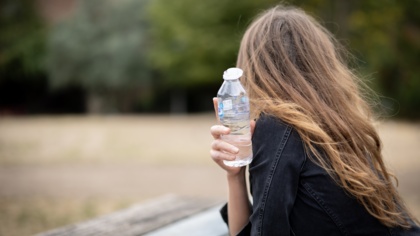
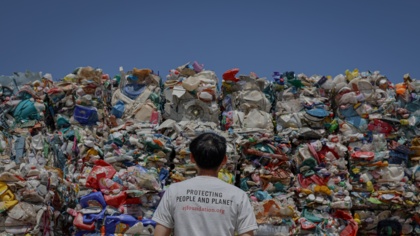

We believe that environmental security is not just about quality of life, it is a basic human right
The Environmental Justice Foundation (EJF) exists to protect the natural world and defend our basic human right to a secure environment.
Driven by our core values of integrity, innovation and impact, EJF uses investigations and film to uncover environmental and human rights abuses. We work for environmental justice, to protect the natural environment and the people and wildlife that depend upon it. Environmental security is a basic human right, and we go to the ends of the earth to defend people and planet.
Our Vision
Our Vision
Our vision is for a world where natural habitats and environments can sustain and be sustained by the communities that depend on them.
Campaigns
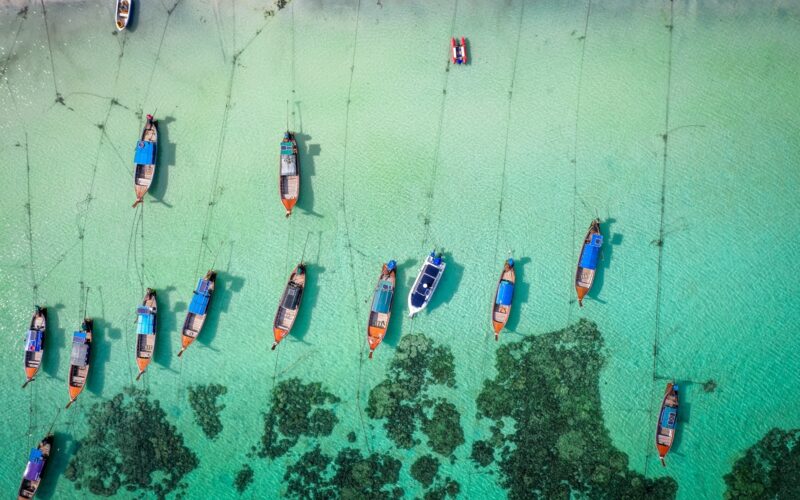
Ocean
Protecting marine ecosystems and livelihoods
Our global ocean is the ‘blue beating heart’ of our planet, driving the systems that make our world habitable. It is home to between 500,000 and 10 million species, many of which have yet to be identified. EJF campaigns to protect the global ocean, its biodiversity and the livelihoods that depend upon it.
Cut & Run: Exposing Senegal as a gateway for the global shark fin trade
Tuna boats dock in Dakar by day. By night, illegal shark fins are smuggled ashore - and the world's seafood supply is funding it.
Senegal's port of Dakar is one of West Africa's busiest fishing hubs - and, a new EJF investigation reveals, a key gateway for the illegal global shark fin trade. Distant-water tuna longliners, many flagged to China and Taiwan, land their legal catch in daylight. But under cover of night, illegal shark fins are trafficked ashore, hidden among other cargo and, according to crew testimony, moved past inspectors with bribes.
'Cut & Run' draws on testimony from 87 Indonesian and Filipino crew members who spoke to EJF anonymously about the scale of the operation: sharks caught and finned on captain's orders, their bodies dumped at sea, their fins bound for lucrative markets in Asia. Dakar is a designated port under the Port State Measures Agreement, obligating Senegal to screen vessels and block illegal catch - obligations this investigation shows are being routinely evaded.
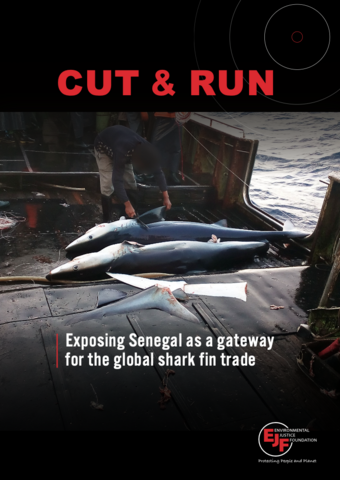
This report reveals extensive shark finning on board Chinese and Taiwanese-owned tuna vessels that call at Dakar, Senegal's main fishing port. Drawing on first-hand testimony from fishers who witnessed this cruel and often illegal practice, the report exposes how fins were routinely landed in Dakar, with enforcement at the port easily evaded or non-existent. It also reveals the high risk of tuna linked to shark finning entering global supply chains. Without urgent action from Senegal and international regulators to close these loopholes, the trade of shark fins will continue unchecked.
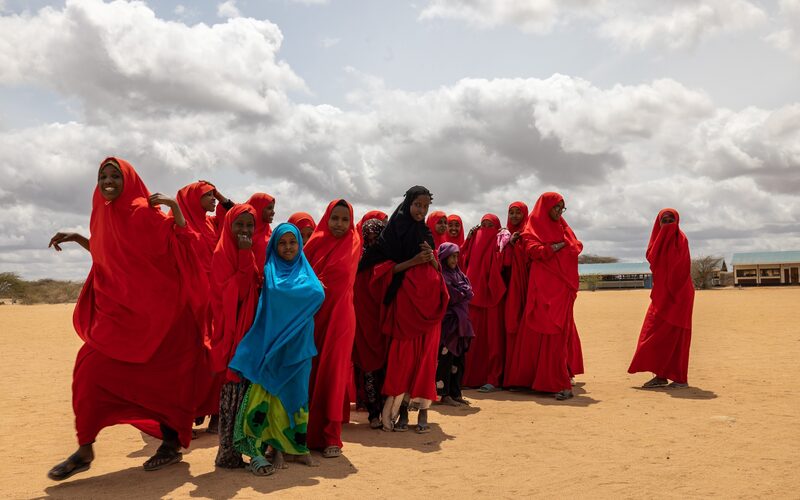
Climate
Driving global action to avoid climate breakdown
EJF’s climate campaign aims to secure international action to decarbonise economies around the world, protect the natural environments which are a vital store of carbon, and ensure climate justice for all. We campaign for the protection for the world’s growing population of climate refugees, forced to flee their homes in the wake of the climate crisis.
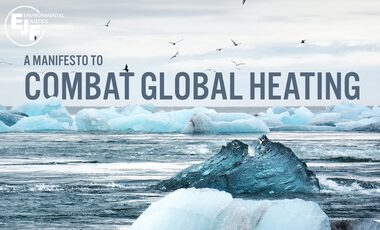
Manifesto to Combat Global Heating
The climate manifesto brings to bear EJF’s long experience of working with people on the frontlines of the climate crisis and combines it with existing scientific research to create a clear roadmap of measures that can be taken to achieve zero-carbon by 2035.
Forests and Wetlands
Ending the loss of our critical ‘life support systems’
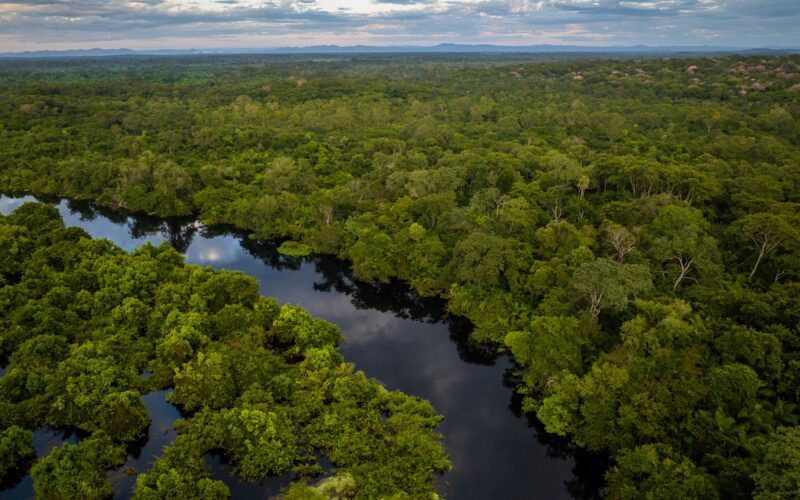
EJF is campaigning to stop this wanton destruction of wetlands and forests, securing protection for the Pantanal in Brazil and Canada’s ancient forests. Our investigations and support to local partners, journalists and Indigenous communities expose those responsible and trigger vital policy changes and protections.
Nature's unsung heroes: why wetlands matter
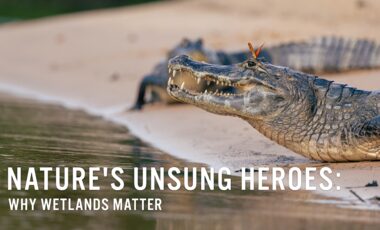
Wetlands play a disproportionately large role in supporting biodiversity, maintaining human health and stabilising our global climate. Despite this, the rate of wetland loss far outpaces other biomes, making them one of our planet's most threatened ecosystems.
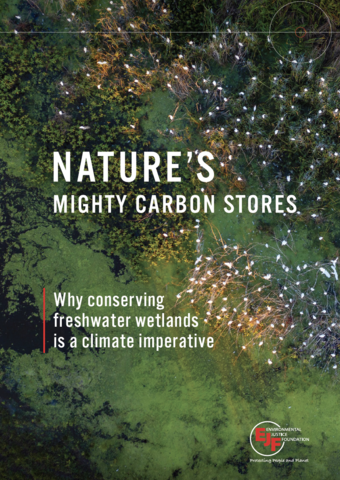
Freshwater wetlands store vast amounts of carbon, regulate water flows, and sustain biodiversity and livelihoods worldwide. Yet they are being drained, burned, and destroyed at alarming rates, setting off a ‘carbon bomb’ and fatally undermining global climate goals.

Environmental Defenders
Supporting environmental defenders
EJF supports environmental defenders to investigate, expose and redress environmental abuses and associated human rights violations. We collaborate with the journalists, activists, small-scale fishers and Indigenous leaders who raise the alarm on threats to the natural world and their rights.
Plastics
Building a plastic-free future
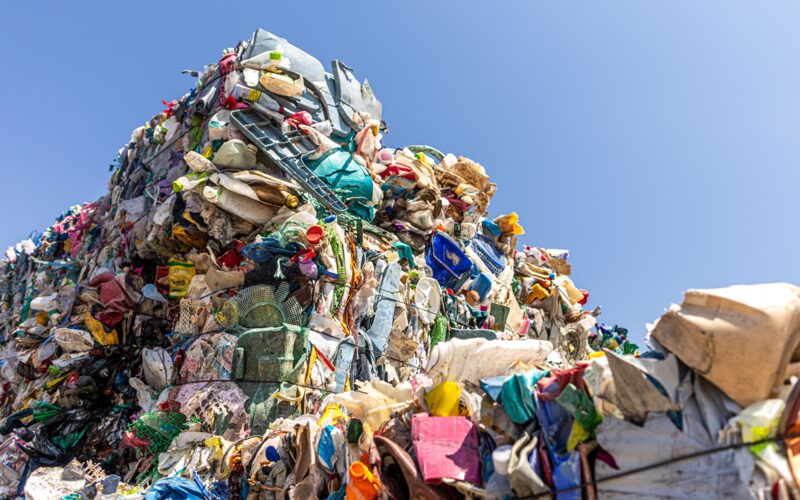
Plastic is everywhere. It’s in the deepest ocean trench, on the summit of Everest, and in our bodies. This is not an accident. The fossil fuel companies driving the climate crisis are doubling down on plastic production, designing a world in which reducing your exposure is almost impossible, with devastating impacts for your health. EJF is working to change that. We are tackling the full life cycle of plastics and calling for our collective Right to Reduce.
Poison Plastics: How chemicals in everyday plastics are harming your health
Every day, thousands of chemicals enter our bodies, many potentially high-risk, with almost no regulatory oversight standing in the way.
Plastics contain 16,000 known chemicals, many found in everyday products. Yet 10,000 of them lack any hazard information at all. Where data does exist, it often points to serious health risks: cancer, infertility, cardiovascular disease, and more. Alarmingly, 83% of chemicals with available toxicity and exposure data are not regulated under any major international agreement.
This film calls on governments and producers to reduce plastic production, especially single-use plastics and those with high toxicity and exposure risk; restrict or prohibit hazardous chemical groups; and ensure transparency and traceability across the full cycle of plastics.
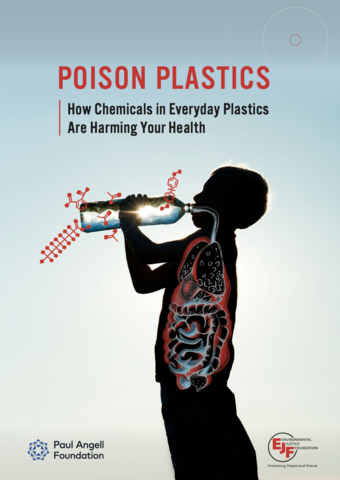
Plastics and the chemicals they contain have become deeply embedded in our lives within only a single generation. They are found in the vast majority of items we rely on every day – from food packaging and takeaway containers to clothing, furniture, hygiene products, infant feeding bottles and children’s toys.
This report shares our novel analyses of the PlastChem data to shed light on the risks presented to human health by everyday items containing plastic-associated chemicals. The findings make the case for a world where the products we use every day are safe by design; today, they are not.
Follow EJF