Search results
Showing 1-40 result returned for "Fishing"
-
Reports
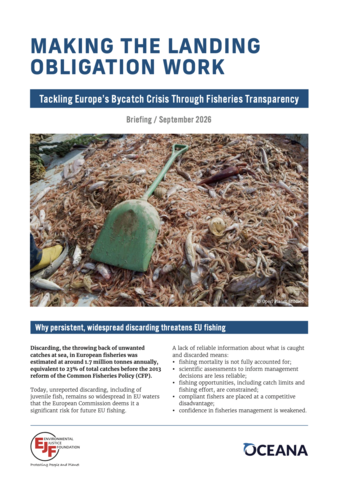
 Sep 22, 2026Making the Landing Obligation Work: Tackling Europe’s Bycatch Crisis Through Fisheries Transparency - SummaryRead
The EU’s Landing Obligation (LO) is intended to reduce waste, encourage selective fishing and improve the catch information used to manage populations. For catches within the LO scope, fishers must retain, record and land catches, including bycatch, and count them against quota where applicable, subject to defined exemptions. More than a decade after the obligation was phased in, and seven years after it became fully applicable, these objectives have not been achieved.
This is a summary of the the longer briefing from EJF and Oceana, which provides a roadmap for ensuring the EU Landing Obligation’s full implementation.
-
Reports
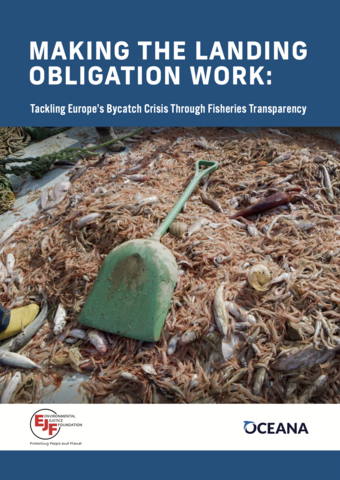
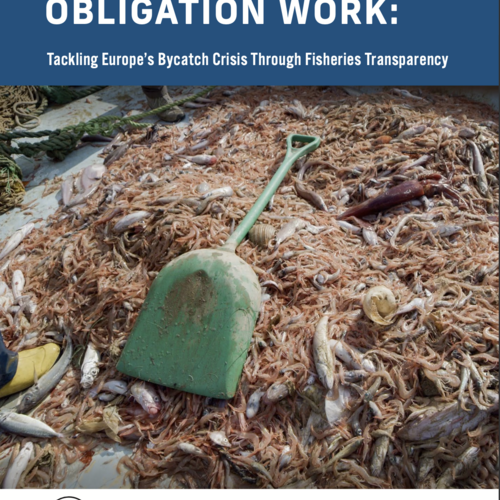 Sep 22, 2026Making the Landing Obligation Work: Tackling Europe’s Bycatch Crisis Through Fisheries TransparencyRead
The EU’s Landing Obligation (LO) is intended to reduce waste, encourage selective fishing and improve the catch information used to manage populations. For catches within the LO scope, fishers must retain, record and land catches, including bycatch, and count them against quota where applicable, subject to defined exemptions. More than a decade after the obligation was phased in, and seven years after it became fully applicable, these objectives have not been achieved.
This briefing from EJF and Oceana provides a roadmap for ensuring the EU Landing Obligation’s full implementation.
-
News & Media
 Jul 22, 2026Supporting coastal communities to protect sea turtles in LiberiaRead
 -
Films
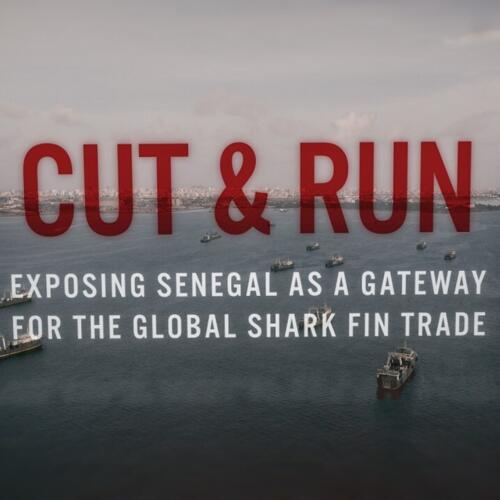 Jul 16, 2026Cut & Run: Exposing Senegal as a gateway for the global shark fin tradeRead
Cut & Run: Exposing Senegal as a gateway for the global shark fin trade
Tuna boats dock in Dakar by day. By night, illegal shark fins are smuggled ashore - and the world's seafood supply is funding it.
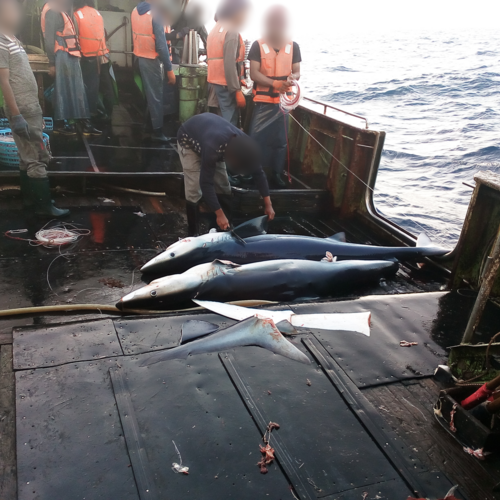
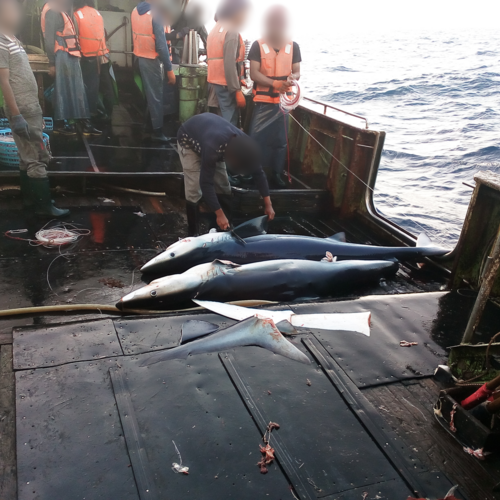
Senegal's port of Dakar is one of West Africa's busiest fishing hubs - and, a new EJF investigation reveals, a key gateway for the illegal global shark fin trade. Distant-water tuna longliners, many flagged to China and Taiwan, land their legal catch in daylight. But under cover of night, illegal shark fins are trafficked ashore, hidden among other cargo and, according to crew testimony, moved past inspectors with bribes.
'Cut & Run' draws on testimony from 87 Indonesian and Filipino crew members who spoke to EJF anonymously about the scale of the operation: sharks caught and finned on captain's orders, their bodies dumped at sea, their fins bound for lucrative markets in Asia. Dakar is a designated port under the Port State Measures Agreement, obligating Senegal to screen vessels and block illegal catch - obligations this investigation shows are being routinely evaded.
-
Reports
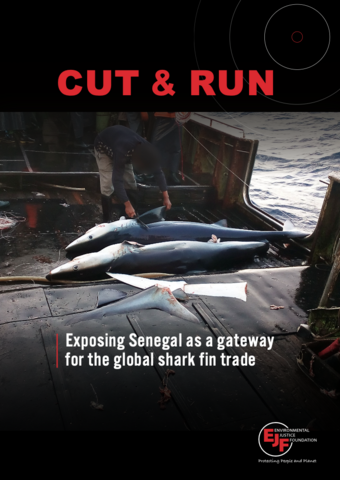
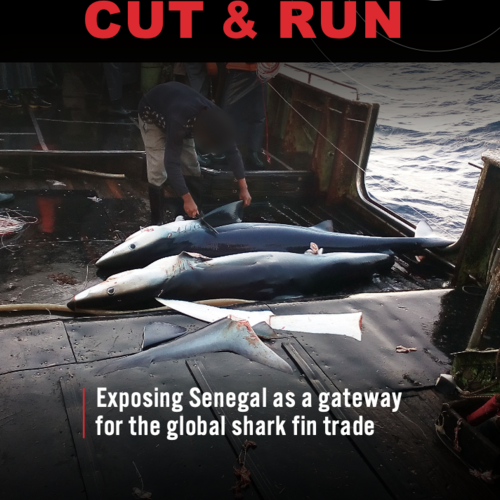 Jul 16, 2026Cut & Run: Exposing Senegal as a gateway for the global shark fin tradeRead
This report reveals extensive shark finning on board Chinese and Taiwanese-owned tuna vessels that call at Dakar, Senegal's main fishing port. Drawing on first-hand testimony from fishers who witnessed this cruel and often illegal practice, the report exposes how fins were routinely landed in Dakar, with enforcement at the port easily evaded or non-existent. It also reveals the high risk of tuna linked to shark finning entering global supply chains. Without urgent action from Senegal and international regulators to close these loopholes, the trade of shark fins will continue unchecked.
-
News & Media
 Jul 16, 2026Illegal shark finning relies on Dakar as a transit hub, a new investigation revealsRead
 -
News & Media
 Jul 16, 2026Exposing Senegal as a gateway to the illegal shark fin tradeRead
 -
News & Media
 Jul 06, 2026New coalition launches to defend Europe's seas through the courtsRead
-
News & Media
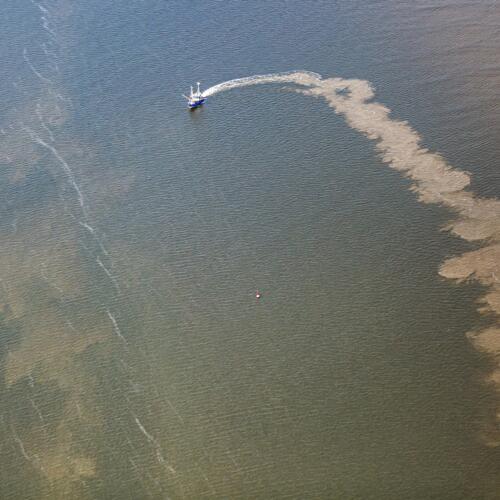 Jun 24, 2026Legal action launched against bottom trawling in the German Wadden SeaRead
 -
News & Media
 Jun 17, 2026Sixteen countries adopt Mombasa Declaration to advance fisheries transparency and combat illegal fishingRead
 -
News & Media
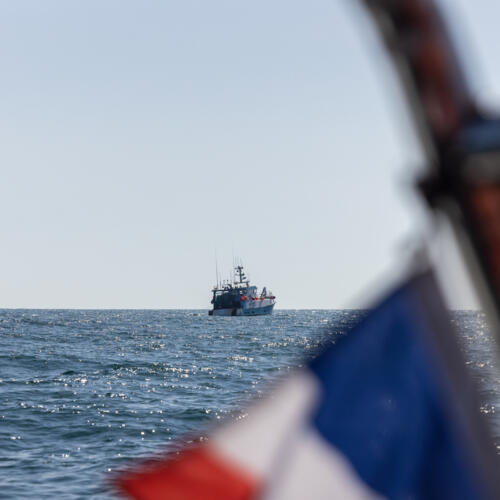 Jun 15, 2026Ocean Protection: French Court Rules That Natura 2000 Measures Must Be EffectiveRead
 -
News & Media
Jun 15, 2026Protection des océans : la justice rappelle que les mesures Natura 2000 doivent être efficacesRead
-
News & Media
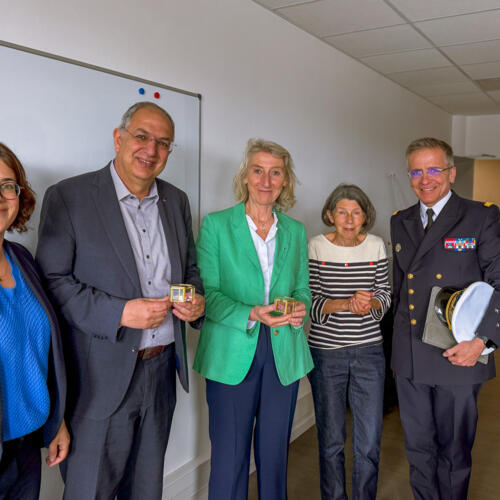 Jun 09, 2026Fishing and maerl protection: NGOs challenge EU Commissioner Costas Kadis and Minister Catherine Chabaud in Cherbourg todayRead
 -
Films
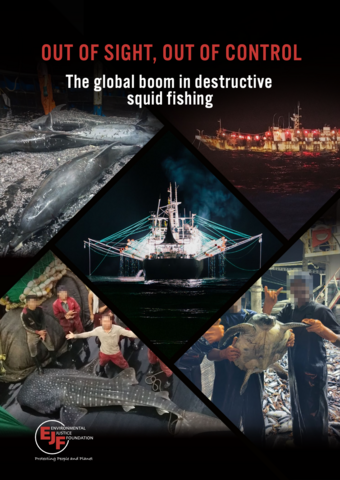
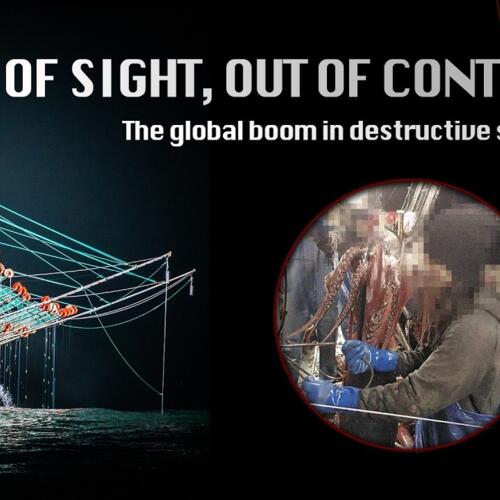 Jun 04, 2026Out of Sight, Out of Control: The global boom in destructive squid fishingRead
Out of Sight, Out of Control: The global boom in destructive squid fishing
EJF’s latest investigation into unregulated squid fishing on the high seas has uncovered illegal fishing and human rights abuses on a shocking scale.
Every year, hundreds of industrial fishing vessels disappear into some of the most remote and unregulated waters on earth, where they fish for squid beyond the reach of any law, any observer, and any accountability.
Over the last 5 years, EJF investigators have gathered testimony and footage from over 400 crew members who have worked on board distant water squid vessels. What they have documented is a system built on environmental destruction and forced labour. Rampant overfishing, the killing of protected species, and widespread human rights violations are endemic across the global squid industry.
-
News & Media
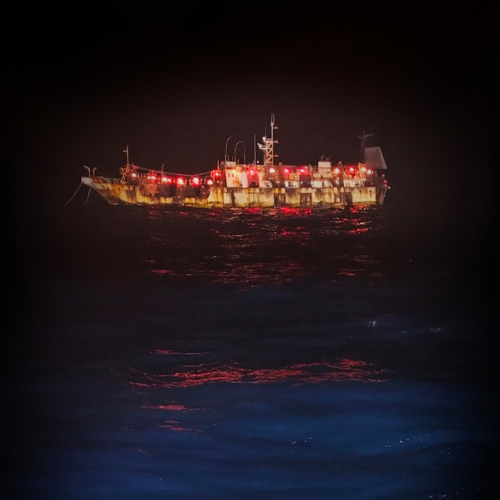 Jun 04, 2026Out of sight, out of control: How we can stop unregulated squid fishing on the high seasRead
 -
News & Media
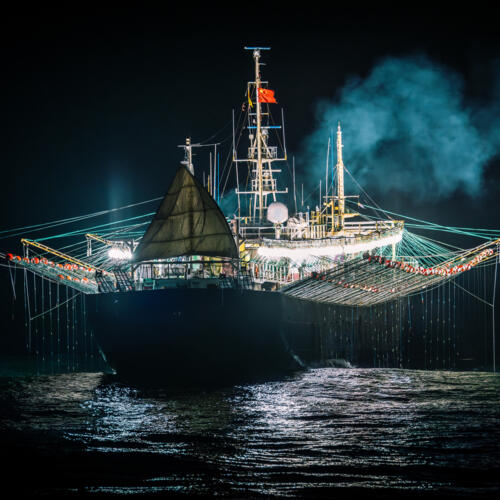 Jun 04, 2026Global squid fleets exposed: new investigation reveals rampant forced labour, illegal fishing and abuseRead
-
Reports
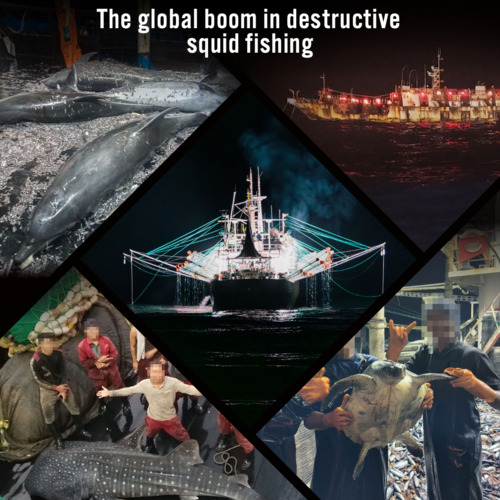 Jun 03, 2026OUT OF SIGHT, OUT OF CONTROL: The global boom in destructive squid fishingRead
The Environmental Justice Foundation's new global report exposes what happens aboard distant-water squid vessels operating beyond any oversight, forced labour, physical violence, and deaths at sea across fisheries that supply 60% of the world's squid.
The European Union is the world's largest squid importer. What happens out of sight has consequences here.
-
Films
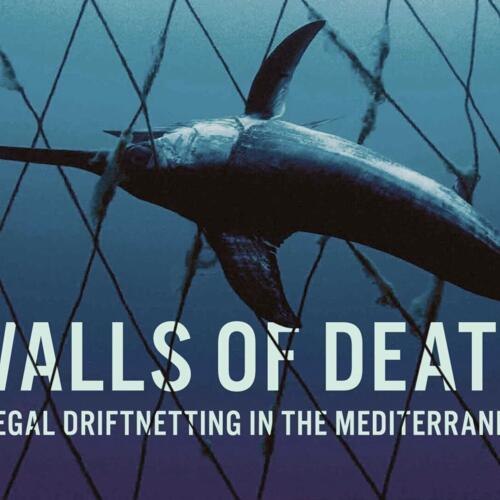 May 22, 2026Walls of Death: Illegal Driftnetting in the MediterraneanRead
Walls of Death: Illegal Driftnetting in the Mediterranean
Among the most destructive fishing methods ever used, driftnets have been banned in the Mediterranean for decades - but EJF's latest investigation reveals they never really went away.
-
News & Media
 May 21, 2026“Political will alone won’t save the Baltic Sea”: EJF urges urgent action after European Parliament voteRead
 -
News & Media
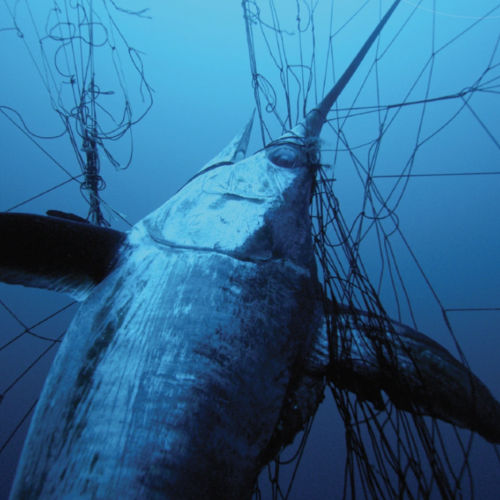 May 21, 2026Walls of Death: new film reveals deadly driftnets in the MediterraneanRead
-
News & Media
 May 01, 2026From ratification to reality: civil society calls for protections for Indonesia’s fishersRead
 -
News & Media
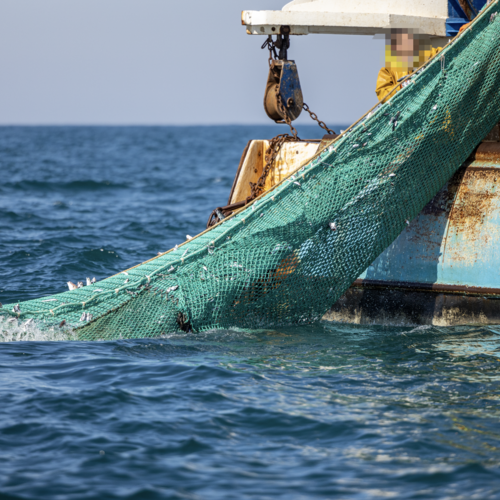 Apr 30, 2026EU FISHERIES POLICY FIT FOR PURPOSE, BUT URGENTLY NEEDS FULL IMPLEMENTATION, SAYS EJFRead
 -
News & Media
 Apr 29, 2026La France impulse une avancée majeure pour la transparence des pêches au G7Read
 -
Reports
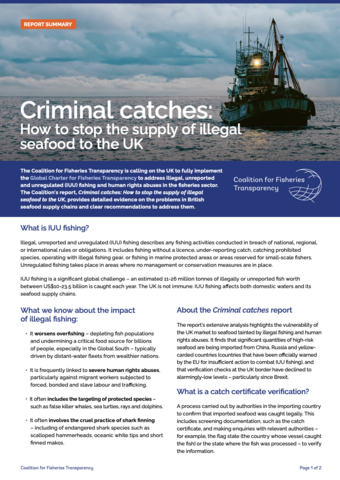
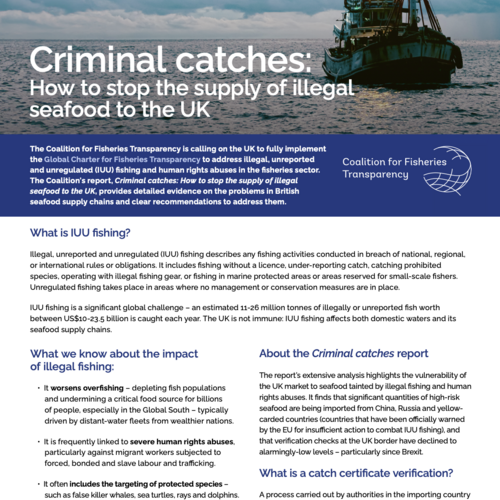 Apr 20, 2026Criminal catches: How to stop the supply of illegal seafood to the UK - Report SummaryRead
The Coalition for Fisheries Transparency is calling on the UK to fully implement the Global Charter for Fisheries Transparency to address illegal, unreported and unregulated (IUU) fishing and human rights abuses in the fisheries sector. The Coalition's report, Criminal catches: How to stop the supply of illegal seafood to the UK, provides detailed evidence on the problems in British seafood supply chains and clear recommendations to address them.
-
News & Media
 Apr 15, 2026Press statement: new marine protected area "is a defining moment for Ghana"Read
 -
News & Media
 Mar 24, 2026Including fishers in closed season design is key to rebuilding Ghana’s fish populations, new research findsRead
 -
News & Media
 Mar 16, 2026EJF Response to PFA Comments in Fishing Daily and UndercurrentRead
 -
News & Media
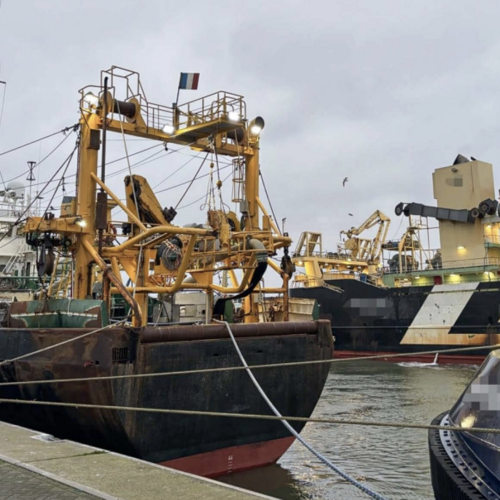 Mar 10, 2026EU-owned supertrawlers fishing without proper oversight: new research calls for cameras on boardRead
-
Reports
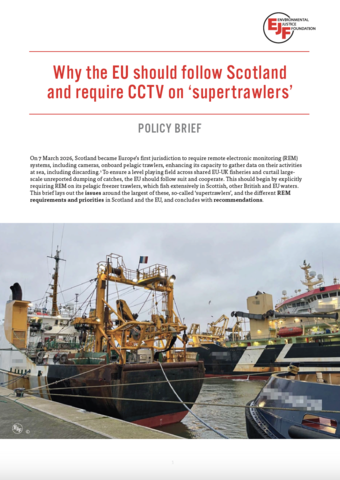
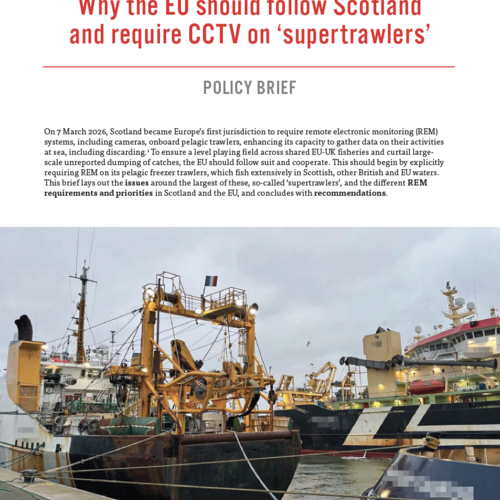 Mar 09, 2026Why the EU should follow Scotland and require CCTV on ‘supertrawlers’Read
Ten EU-linked freezer trawlers, all of them so-called supertrawlers over 100m long, spent an estimated 14,530 hours fishing in Scottish waters in the 12 months to 1 February 2026. Since 7 March, Scotland has required cameras on board to monitor trawlers in its waters, and the rest of the UK and EU should follow suit.
-
News & Media
Feb 19, 2026Unseen and unaccountable: EJF investigation exposes governance failures in the South East Pacific squid fisheryRead
-
Reports
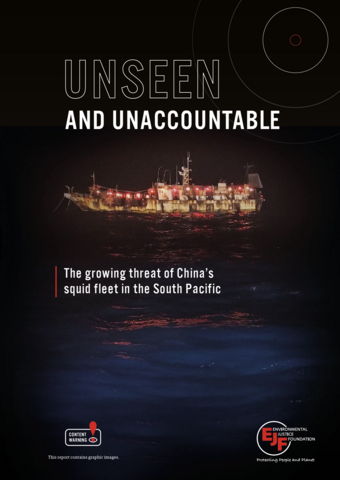
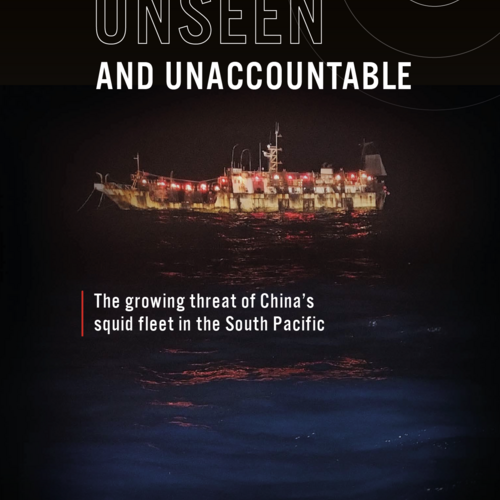 Feb 19, 2026Unseen and unaccountable: The growing threat of China’s squid fleet in the South PacificRead
This report exposes the alarming environmental and human rights toll of China’s distant-water squid fleet in the Southeast Pacific. It draws on investigations that reveal widespread shark finning, marine mammal capture, abusive labour practices, and the unloading of deceased crew into Latin American ports. The report also highlights major governance failures: despite early warnings of a decline in the squid population, and calls for urgent reforms to end IUU fishing and forced labour in the world’s most important squid fishery.
Watch the webinar where we discuss the findings of this report with experts: https://www.youtube.com/watch?...
-
Reports
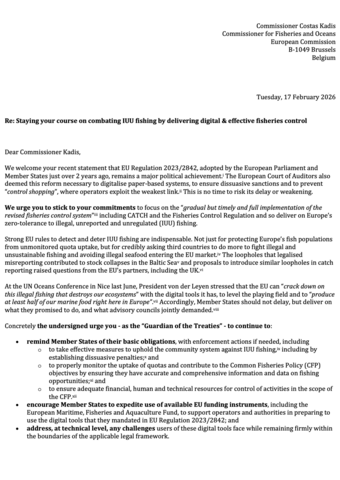
 Feb 17, 2026Letter to Commissioner Kadis: Staying your course on combating IUU fishing by delivering digital and dissuasive fisheries controlRead
This letter urges European Commissioner for Fisheries and Oceans Costas Kadis to stick to his commitments to focus on the “gradual but timely and full implementation of the revised fisheries control system”, which includes CATCH and the Fisheries Control Regulation, to deliver on Europe’s zero-tolerance to illegal, unreported and unregulated fishing.
-
News & Media
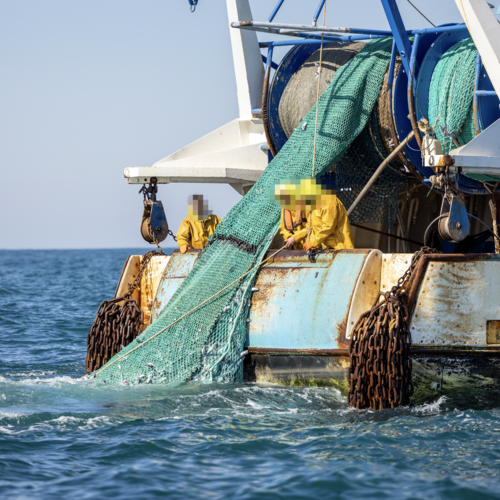 Feb 10, 2026Chausey: une nouvelle étape judiciaire pour protéger une aire marine Natura 2000Read
 -
News & Media
 Feb 05, 202644 UK parliamentarians call on ministers to strengthen seafood import controls and protect UK consumers, fishers, and businessesRead
 -
Reports
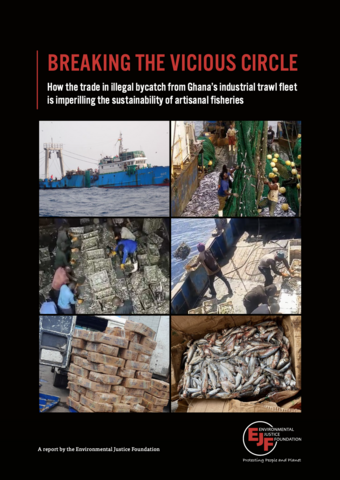
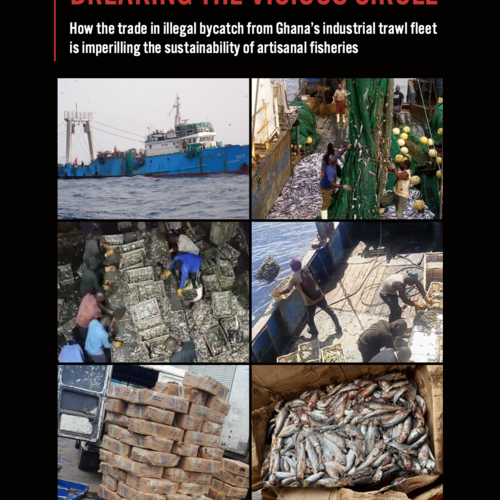 Feb 04, 2026Breaking the vicious circle: How the trade in illegal bycatch from Ghana’s industrial trawl fleet is imperilling the sustainability of artisanal fisheriesRead
Populations of small pelagic fish traditionally harvested by artisanal fishers in Ghanaian waters are severely overfished and in a state of collapse. The alarming state of Ghana’s small pelagic fisheries results in part from persistent illegal, unreported and unregulated fishing by the largely foreign-owned industrial trawl fleet. The use of illegal fishing gear by trawlers results in large volumes of bycatch, known locally as logo fish - juvenile and undersized fish which are either discarded or sold to coastal communities for profit.
Urgent action is needed to break this vicious circle and ensure a more sustainable and equitable future for Ghana’s fisheries.
-
News & Media
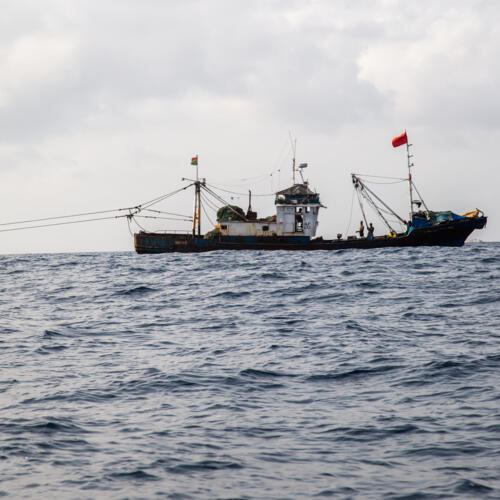 Feb 04, 2026Breaking the vicious circle: urgent action needed to safeguard Ghana’s fisheriesRead
-
Films
 Jan 28, 2026Discarded: Hidden Overfishing in the EURead
Discarded: Hidden Overfishing in the EU
In European waters, fish are caught and dumped at sea to make room for more valuable catch. This practice, known as highgrading, is illegal, but unfortunately most cases go unreported.
This extremely wasteful and unsustainable practice puts pressure on struggling ecosystems and harms honest fishers’ livelihoods. Transparency is the key to protecting these ecosystems and ending this widespread illegal practice.
-
Reports
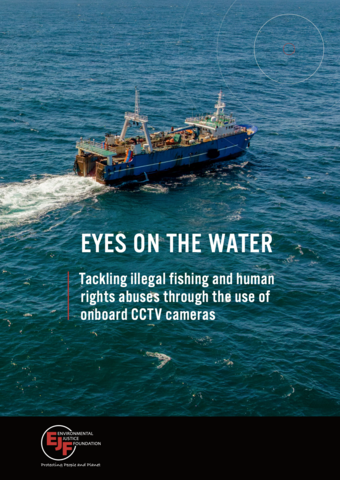
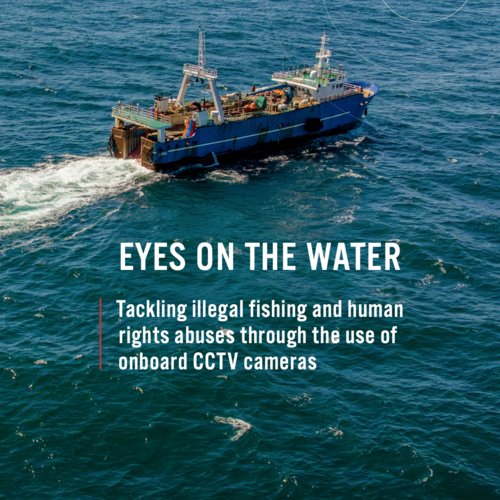 Jan 28, 2026Eyes on the water: Tackling illegal fishing and human rights abuses through the use of onboard CCTV camerasRead
Illegal, unreported and unregulated (IUU) and unsustainable fishing places immense pressure on the world’s oceans. These destructive practices go hand in hand with human rights violations and labour abuses. A major challenge in effectively tackling these issues is that much of this harmful activity occurs in the middle of the ocean, where it is easier to avoid detection.
The findings of this report show that the adoption of fleet-wide CCTV, as a key tool within broader monitoring, control and surveillance systems, has massive potential to enhance transparency, tackle IUU fishing, and address human rights abuses at sea.
-
News & Media
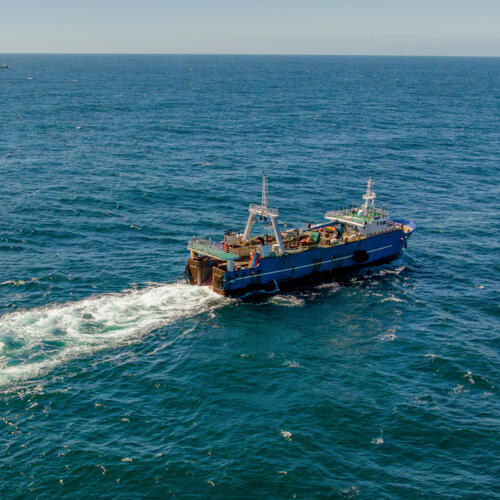 Jan 28, 2026CCTV at sea could dramatically reduce illegal fishing and human rights abuses: new reportRead
 -
News & Media
Jan 28, 2026Les caméras embarquées pourraient réduire drastiquement la pêche illégale et les atteintes aux droits humains en mer, selon un nouveau rapportRead