Search results
Showing 1-40 result returned for ""
-
News & Media
 Oct 21, 2026Vision 2040: EJF welcomes the direction, urges full delivery of the CFPRead
-
Reports
 Oct 16, 2026La Ley Europea del Océano: Garantizando el futuro marítimo de EuropaRead
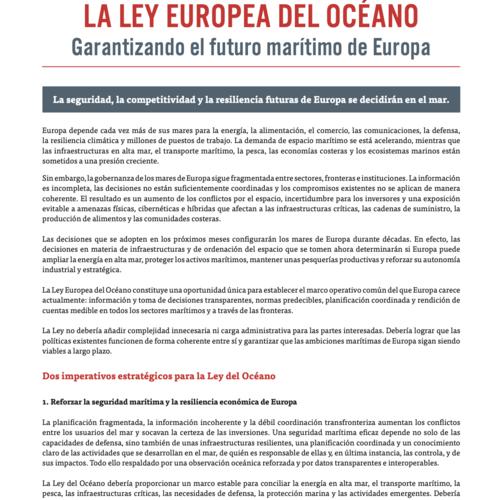
La seguridad, la competitividad y la resiliencia futuras de Europa se decidirán en el mar. La «Ley Europea de los Océanos » (European Ocean Act) constituye una oportunidad única para establecer el marco operativo común del que carece actualmente Europa: información y toma de decisiones transparentes, normas previsibles, planificación coordinada y responsabilidad cuantificable, en los distintos sectores marítimos y más allá de las fronteras. Esta nota orientativa expone dos imperativos estratégicos para esta Ley de los Océanos.
-
Reports
 Oct 15, 2026La Loi Europeénne sur les Océans: Assurer l’avenir maritime de l’EuropeRead
La sécurité, la compétitivité et la résilience futures de l’Europe se joueront en mer. La « Loi européenne sur les océans » (European Ocean Act) constitue une occasion unique de mettre en place le cadre opérationnel commun qui fait actuellement défaut à l’Europe : une information et une prise de décision transparentes, des règles prévisibles, une planification coordonnée et une responsabilité mesurable, à travers les différents secteurs maritimes et au-delà des frontières. Cette note d’orientation expose deux impératifs stratégiques pour cette Loi sur les océans.
-
Reports
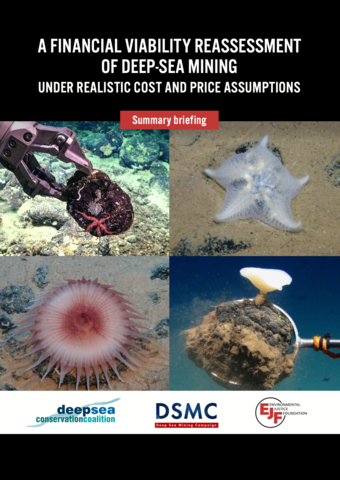
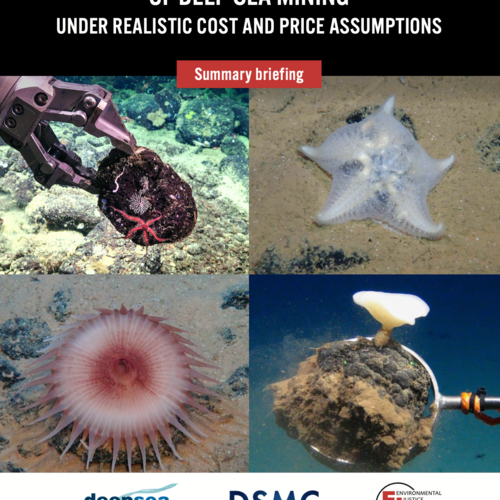 Oct 15, 2026Summary briefing: Financial viability reassessment of deep-sea mining under realistic cost and price assumptionsRead
This briefing summarises the findings of an analysis commissioned by the Environmental Justice Foundation (EJF), the Deep Sea Conservation Coalition (DSCC) and the Deep Sea Mining Campaign (DSMC) to examine the financial viability of deep-sea mining (DSM) under realistic cost and price assumptions.
-
Reports
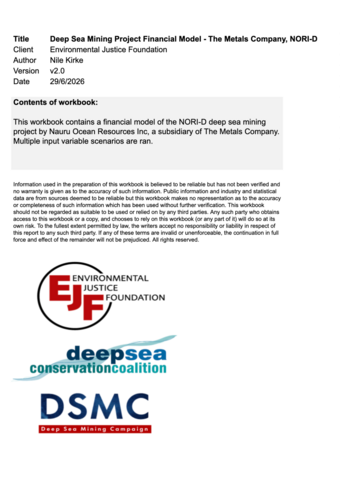
 Oct 15, 2026Model for financial viability reassessment of deep-sea mining under realistic cost and price assumptionsRead
This workbook contains a financial model of the NORI-D deep-sea mining project by Nauru Ocean Resources Inc, a subsidiary of The Metals Company, and multiple input variable scenarios are ran.
-
Reports
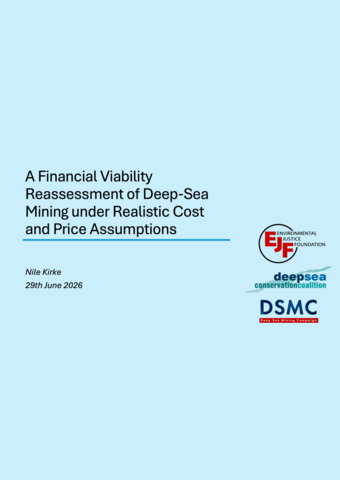
 Oct 15, 2026A financial viability reassessment of deep-sea mining under realistic cost and price assumptionsRead
This analysis, commissioned by the Environmental Justice Foundation (EJF), the Deep Sea Conservation Coalition (DSCC) and the Deep Sea Mining Campaign (DSMC), examines the financial viability of deep-sea mining (DSM) under realistic cost and price assumptions.
-
News & Media
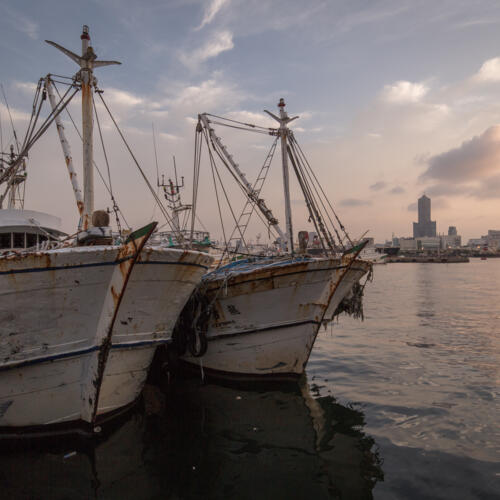 Oct 14, 2026豐群水產、台灣動物社會研究會及英國環境正義基金會發布《水產供應鏈追蹤追溯與透明度專案》成果報告Read
-
Reports
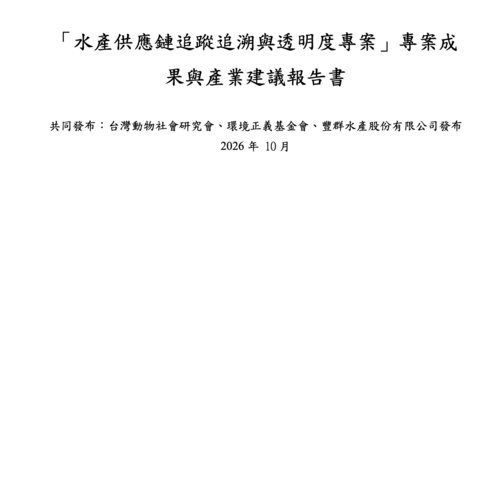 Oct 14, 2026「水產供應鏈追蹤追溯與透明度專案」專案成 果與產業建議報告書Read
豐群水產、英國環境正義基金會與台灣動物社會研究會歷時兩年合作,完成對豐群水產漁獲追蹤追溯系統的差距分析,並提出具體改善建議,企業執行改善計畫,是推動供應鏈追蹤追溯機制更加完整及透明化的重要里程碑。台灣動物社會研究會以及環境正義基金會表示,唯有透過企業端追溯管理、政府透明治理及國際標準接軌三者同步推進,方能逐步實現「從漁撈到餐盤」(Hook to Plate) 海產供應鏈全面透明之目標。
-
Films
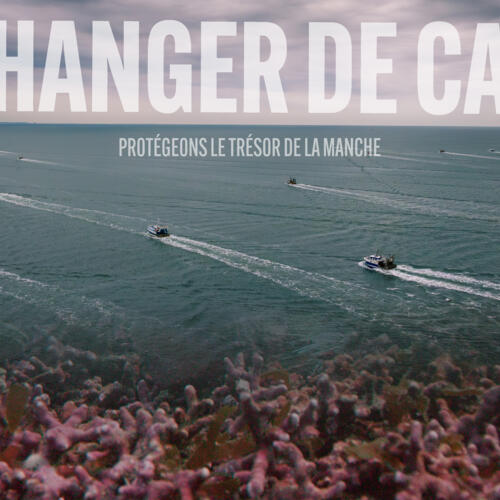 Oct 06, 2026Changer de cap: Protégeons le trésor de la MancheRead
Changer de cap: Protégeons le trésor de la Manche
- Le film est en français, sous-titré en anglais. Si vous avez besoin de ce film à des fins de communication en anglais, vous pouvez accéder à la version anglaise ici. -
Sous l'archipel de Chausey s'étend un fond marin rose qui a mis des siècles à se former. Quelques passages de chalut peuvent l'écraser en quelques minutes, et cela continue au sein même d'une aire protégée.
Au large des côtes normandes, dans la baie du Mont-Saint-Michel, les îles Chausey abritent l'un des habitats les plus rares de la Manche : les bancs de maërl, une algue coralligène à croissance lente surnommée le « trésor rose ». Un nouveau film d'EJF révèle ce qui se joue sous la surface, et pourquoi le statut d'aire marine protégée de Chausey ne se traduit toujours pas par une protection réelle. Classé au titre de Natura 2000 et de la convention OSPAR, le site devrait être à l'abri des pratiques de pêche les plus destructrices. Dans les faits, ses bancs de maërl continuent d'être raclés par les engins traînants de fond.
« Changer de cap » réunit des images des fonds marins et les témoignages des pêcheurs et des habitants dont l'avenir y est lié. Les bancs de maërl servent de nurserie à de nombreuses espèces commerciales telles que les coquilles Saint-Jacques, les homards, les soles et les praires, et contribuent au stockage du carbone, pourtant, ce qui disparaît aujourd'hui ne pourra être reconstitué avant plusieurs générations. Alors que l'analyse des risques pêche pour Chausey est en cours, le film pose une question simple : les décisions prises maintenant protégeront-elles cet habitat, et la pêche locale qui en dépend, ou les laisseront-elles disparaître ?
_______- The film is in French with English subtitles. If you need this film for comms purposes in English, you can access the English version here. -
Beneath the Chausey archipelago lies a pink seabed that took centuries to grow. A few passes of a trawl can crushed it in minutes, and it is still happening inside a protected area.
Off the Normandy coast, in the Bay of Mont-Saint-Michel, the Chausey islands shelter one of the English Channel's rarest habitats: beds of maerl, a slow-growing coralline algae known as the 'pink treasure'. A new EJF film reveals what is at stake beneath the surface, and why Chausey's status as a marine protected area has yet to translate into real protection. Classified under Natura 2000 and the OSPAR Convention, the site should be safe from the most damaging fishing. In practice, its maerl beds continue to be scraped away by bottom-towed gear.
'Changer de cap' (Change course) brings together footage of the living seabed and the voices of the fishers and local people whose futures are tied to it. Maerl beds are nurseries for commercially important species including scallops, lobsters, sole and clams, and help store carbon, yet what is lost today cannot be rebuilt within a generation. As a fisheries risk assessment for Chausey gets under way, the film asks a simple question: will the decisions taken now protect this habitat, and the local fishing it sustains, or let both slip away?
-
News & Media
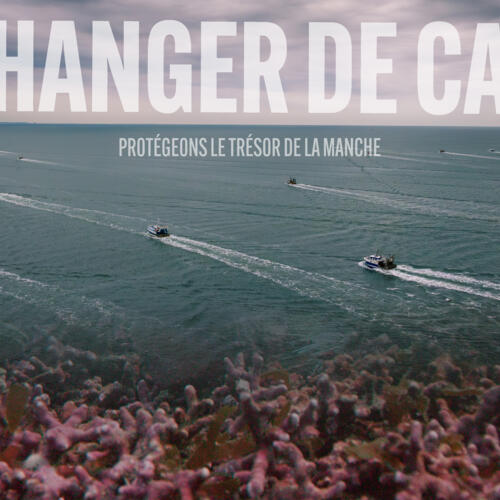 Oct 06, 2026Chausey's 'pink treasure': new EJF film reveals the centuries-old seabed at stake off the Normandy coastRead
-
Reports
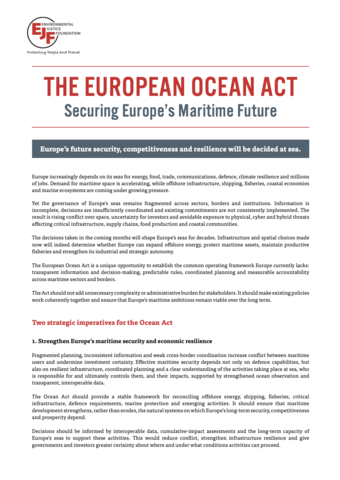
 Oct 05, 2026The European Ocean Act: Securing Europe’s Ocean FutureRead
Europe’s future security, competitiveness and resilience will be decided at sea. The European Ocean Act is a unique opportunity to establish the common operating framework Europe currently lacks: transparent information and decision-making, predictable rules, coordinated planning and measurable accountability across maritime sectors and borders. This policy briefing lays out two strategic imperatives for the Ocean Act.
You can also read the French version here and the Spanish version here.
-
Reports
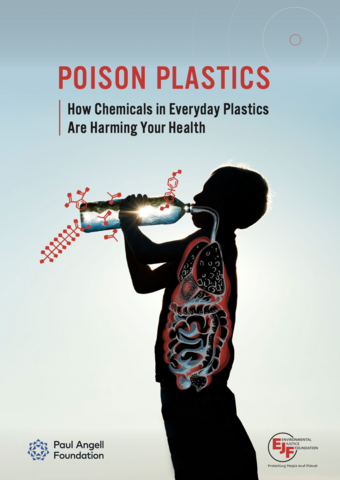
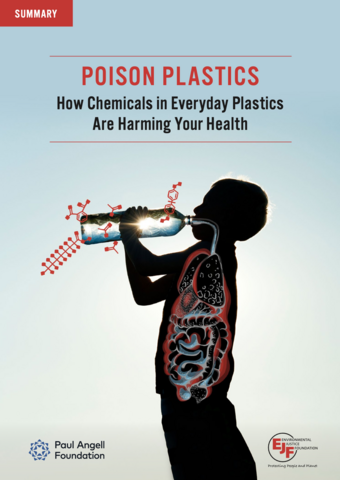
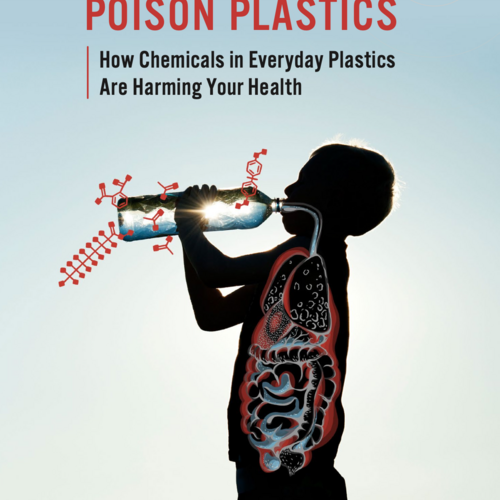 Sep 30, 2026Poison Plastics: How chemicals in everyday plastics are harming your healthRead
Plastics and the chemicals they contain have become deeply embedded in our lives within only a single generation. They are found in the vast majority of items we rely on every day – from food packaging and takeaway containers to clothing, furniture, hygiene products, infant feeding bottles and children’s toys.
This report shares our novel analyses of the PlastChem data to shed light on the risks presented to human health by everyday items containing plastic-associated chemicals. The findings make the case for a world where the products we use every day are safe by design; today, they are not.
-
News & Media
 Sep 30, 2026The chemicals in everyday plastics are harming our health and almost none are regulated, new report and film revealRead
-
News & Media
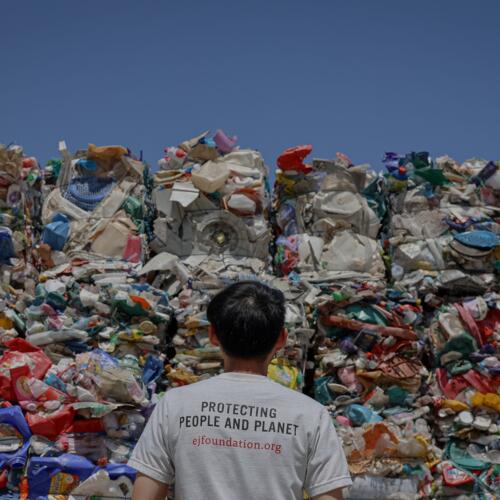 Sep 30, 2026A poisoned world: The hidden dangers of chemicals in everyday plasticsRead
-
Campaign Stories
 Sep 30, 2026Protecting people and planet from plastic exposureRead
-
Films
 Sep 30, 2026Poison Plastics: How chemicals in everyday plastics are harming your healthRead
Poison Plastics: How chemicals in everyday plastics are harming your health
Every day, thousands of chemicals enter our bodies, many potentially high-risk, with almost no regulatory oversight standing in the way.
Plastics contain 16,000 known chemicals, many found in everyday products. Yet 10,000 of them lack any hazard information at all. Where data does exist, it often points to serious health risks: cancer, infertility, cardiovascular disease, and more. Alarmingly, 83% of chemicals with available toxicity and exposure data are not regulated under any major international agreement.
This film calls on governments and producers to reduce plastic production, especially single-use plastics and those with high toxicity and exposure risk; restrict or prohibit hazardous chemical groups; and ensure transparency and traceability across the full cycle of plastics.
-
Reports
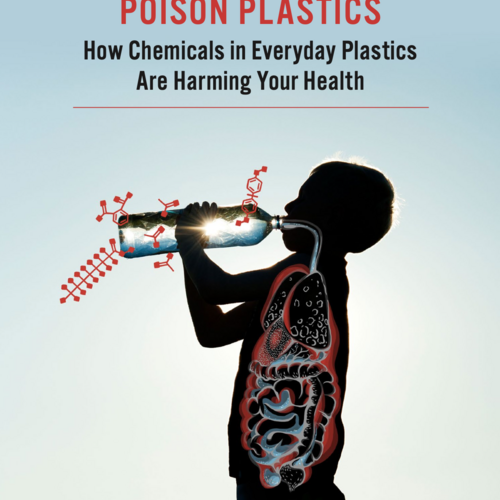 Sep 30, 2026Poison Plastics: How chemicals in everyday plastics are harming your health - Report SummaryRead
Plastics and the chemicals they contain have become deeply embedded in our lives within only a single generation. They are found in the vast majority of items we rely on every day – from food packaging and takeaway containers to clothing, furniture, hygiene products, infant feeding bottles and children’s toys.
This summary of our full report shares our novel analyses of the PlastChem data to shed light on the risks presented to human health by everyday items containing plastic-associated chemicals. The findings make the case for a world where the products we use every day are safe by design; today, they are not.
-
Reports
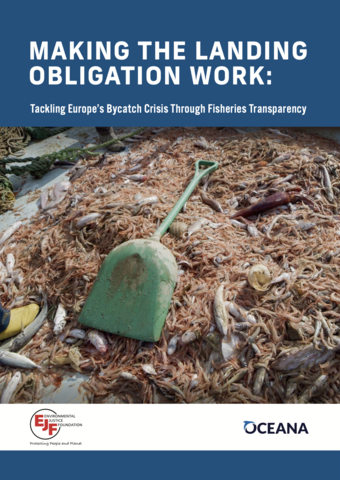
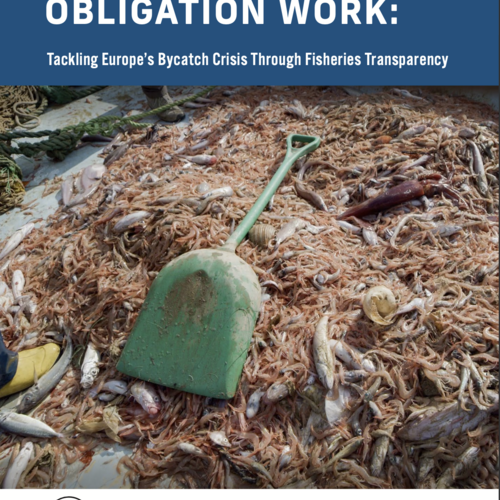 Sep 22, 2026Making the Landing Obligation Work: Tackling Europe’s Bycatch Crisis Through Fisheries TransparencyRead
The EU’s Landing Obligation (LO) is intended to reduce waste, encourage selective fishing and improve the catch information used to manage populations. For catches within the LO scope, fishers must retain, record and land catches, including bycatch, and count them against quota where applicable, subject to defined exemptions. More than a decade after the obligation was phased in, and seven years after it became fully applicable, these objectives have not been achieved.
This briefing from EJF and Oceana provides a roadmap for ensuring the EU Landing Obligation’s full implementation.
-
Reports
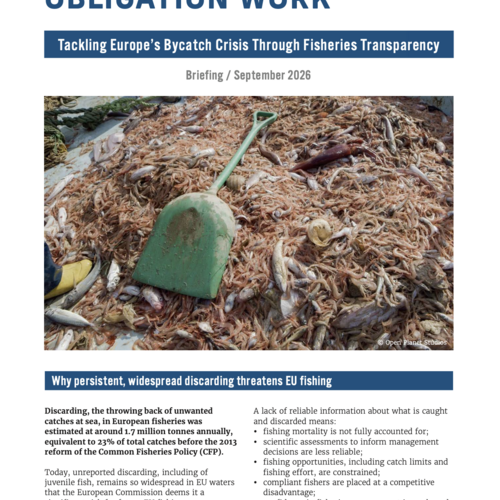 Sep 22, 2026Making the Landing Obligation Work: Tackling Europe’s Bycatch Crisis Through Fisheries Transparency - SummaryRead
The EU’s Landing Obligation (LO) is intended to reduce waste, encourage selective fishing and improve the catch information used to manage populations. For catches within the LO scope, fishers must retain, record and land catches, including bycatch, and count them against quota where applicable, subject to defined exemptions. More than a decade after the obligation was phased in, and seven years after it became fully applicable, these objectives have not been achieved.
This is a summary of the the longer briefing from EJF and Oceana, which provides a roadmap for ensuring the EU Landing Obligation’s full implementation.
-
News & Media
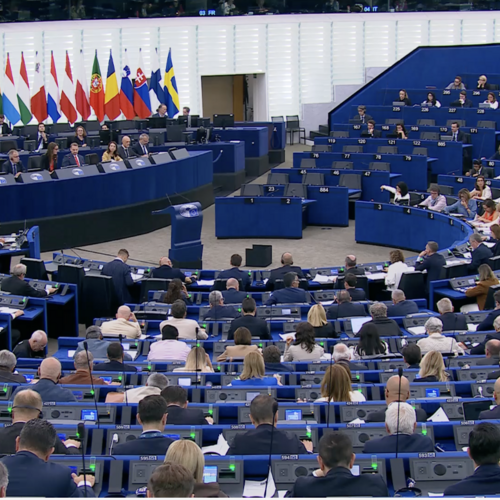 Sep 17, 2026Going against the evidence, the European Parliament has voted to revise the Common Fisheries Policy: Press commentRead
-
News & Media
 Sep 07, 2026臺灣四大政府基金承諾自 2030 年起停止新增化石燃料的投資。Read
-
News & Media
Sep 07, 2026Taiwan's four major public funds commit to cease new investments in fossil fuels starting in 2030Read
-
News & Media
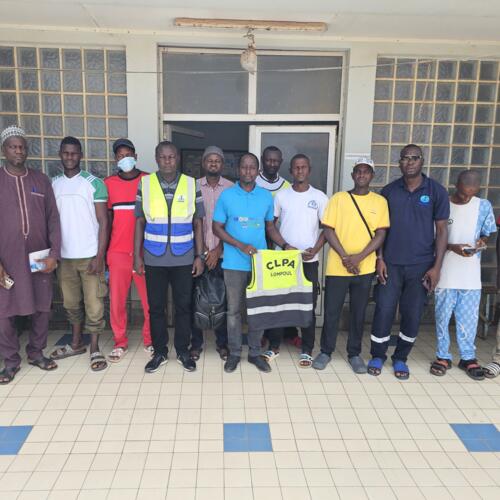 Aug 19, 2026Renforcement de la surveillance participative dans la zone de Saint-Louis, Gandiole et Lompoul pour lutter contre la pêche illiciteRead
-
News & Media
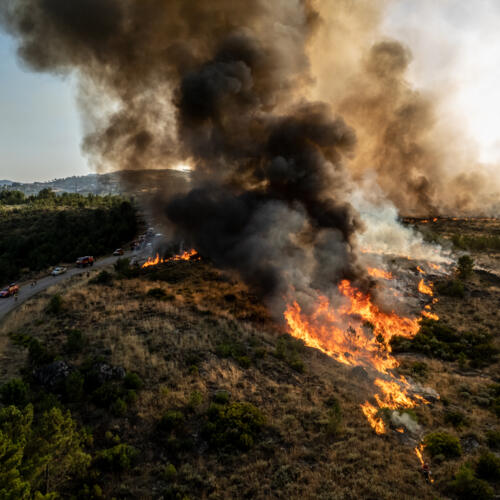 Aug 17, 2026'The climate alarm is blaring'Read
-
News & Media
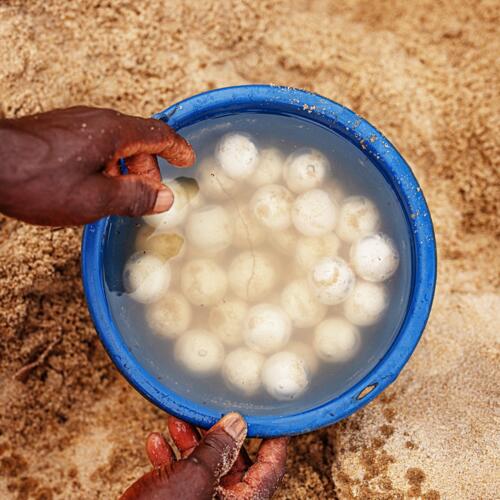 Jul 22, 2026Supporting coastal communities to protect sea turtles in LiberiaRead
-
News & Media
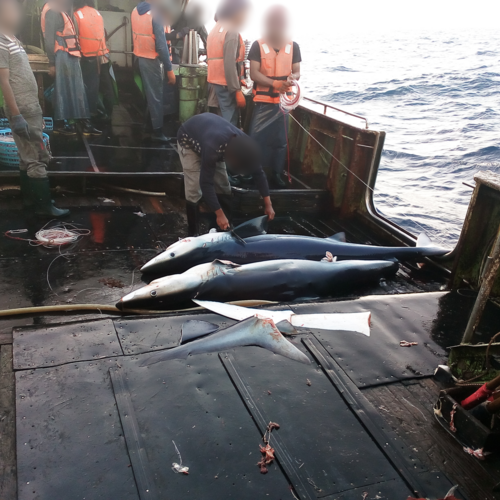 Jul 16, 2026Exposing Senegal as a gateway to the illegal shark fin tradeRead
-
News & Media
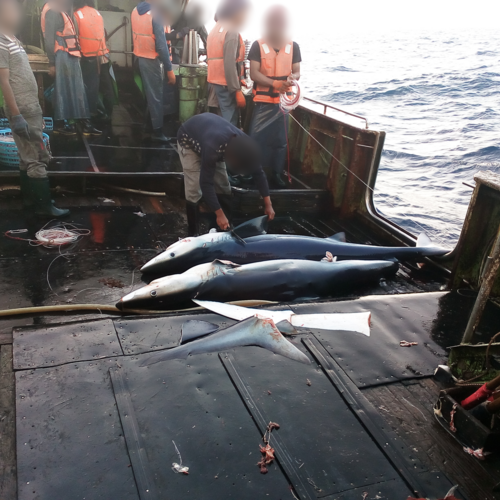 Jul 16, 2026La pêche illicite illégal d’ailerons de requins transite par Dakar, révèle une enquêteRead
-
News & Media
Jul 16, 2026Illegal shark finning relies on Dakar as a transit hub, a new investigation revealsRead
-
Reports
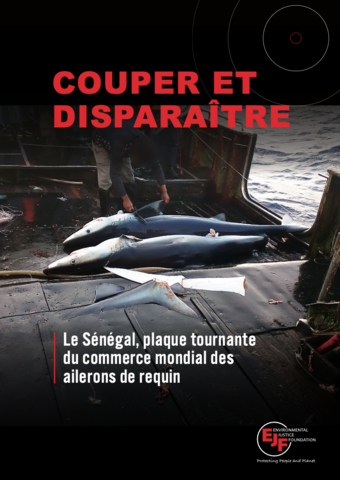
 Jul 16, 2026Couper et disparaître: le Sénégal, plaque tournante du commerce mondial des ailerons de requinRead
Ce rapport met au jour l’ampleur de l’aileronnage des requins à bord de thoniers chinois et taïwanais faisant escale à Dakar, principal port de pêche du Sénégal.
S’appuyant sur les témoignages de pêcheurs ayant observé ces pratiques, il révèle que des ailerons de requins étaient régulièrement débarqués à Dakar, où les contrôles portuaires faisaient défaut. Le rapport met également en évidence le risque que du thon issu de navires pratiquant l’aileronnage des requins alimente les chaînes d’approvisionnement mondiales.
Le commerce des ailerons de requins reste possible en raison de ces failles de contrôle, qui doivent être comblées de toute urgence.
-
Reports
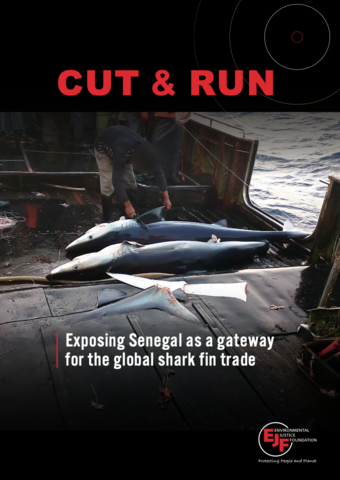
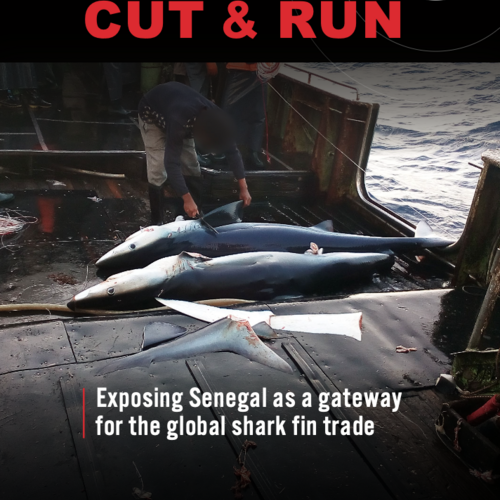 Jul 16, 2026Cut & Run: Exposing Senegal as a gateway for the global shark fin tradeRead
This report reveals extensive shark finning on board Chinese and Taiwanese-owned tuna vessels that call at Dakar, Senegal's main fishing port. Drawing on first-hand testimony from fishers who witnessed this cruel and often illegal practice, the report exposes how fins were routinely landed in Dakar, with enforcement at the port easily evaded or non-existent. It also reveals the high risk of tuna linked to shark finning entering global supply chains. Without urgent action from Senegal and international regulators to close these loopholes, the trade of shark fins will continue unchecked.
-
Films
 Jul 16, 2026Cut & Run: Exposing Senegal as a gateway for the global shark fin tradeRead
Cut & Run: Exposing Senegal as a gateway for the global shark fin trade
Tuna boats dock in Dakar by day. By night, illegal shark fins are smuggled ashore - and the world's seafood supply is funding it.
Senegal's port of Dakar is one of West Africa's busiest fishing hubs - and, a new EJF investigation reveals, a key gateway for the illegal global shark fin trade. Distant-water tuna longliners, many flagged to China and Taiwan, land their legal catch in daylight. But under cover of night, illegal shark fins are trafficked ashore, hidden among other cargo and, according to crew testimony, moved past inspectors with bribes.
'Cut & Run' draws on testimony from 87 Indonesian and Filipino crew members who spoke to EJF anonymously about the scale of the operation: sharks caught and finned on captain's orders, their bodies dumped at sea, their fins bound for lucrative markets in Asia. Dakar is a designated port under the Port State Measures Agreement, obligating Senegal to screen vessels and block illegal catch - obligations this investigation shows are being routinely evaded.
-
News & Media
 Jul 10, 2026Environmental Justice Foundation wins TrustLaw Impact Award for research to protect Europe's seasRead
-
News & Media
Jul 10, 2026L'Environmental Justice Foundation remporte le Prix Impact des TrustLaw Awards pour ses recherches visant à protéger les mers d'EuropeRead
-
News & Media
 Jul 06, 2026New coalition launches to defend Europe's seas through the courtsRead
-
News & Media
Jul 06, 2026Une nouvelle coalition pour défendre les mers d'Europe devant les tribunauxRead
-
Reports
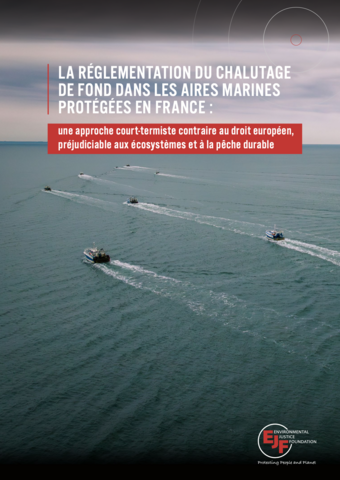
 Jun 25, 2026La réglementation du chalutage de fond dans les aires marines protégées en France : Des insuffisances structurelles au regard des objectifs européens de conservationRead
L’analyse présentée dans ce rapport met en évidence des failles structurelles majeures dans la réglementation de la pêche au chalut de fond dans les aires marines protégées françaises du réseau Natura 2000.
-
Reports
 Jun 25, 2026La réglementation du chalutage de fond dans les aires marines protégées en FranceRead
L’analyse présentée dans ce rapport révèle des failles structurelles majeures dans la mise en œuvre du droit européen de l’environnement concernant la réglementation de la pêche au chalut de fond dans les aires marines protégées françaises du réseau Natura 2000.
-
News & Media
 Jun 24, 2026Après la décision des Bancs des Flandres, un nouveau rapport appelle la France à renforcer la protection de ses aires marines protégéesRead
-
News & Media
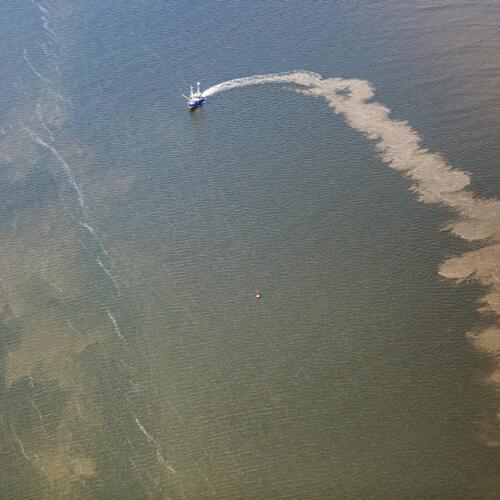 Jun 24, 2026Legal action launched against bottom trawling in the German Wadden SeaRead
-
News & Media
 Jun 17, 2026Sixteen countries adopt Mombasa Declaration to advance fisheries transparency and combat illegal fishingRead